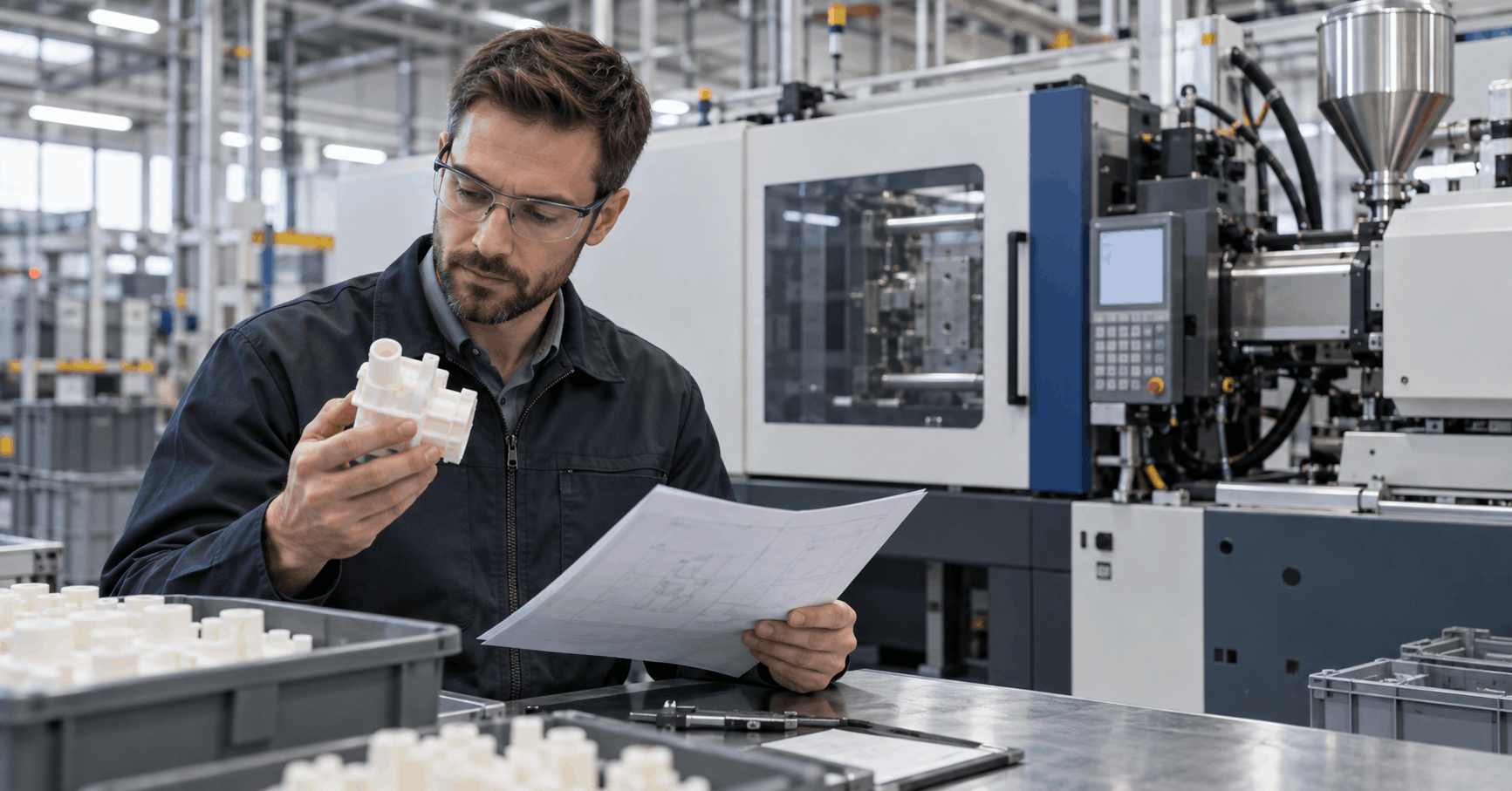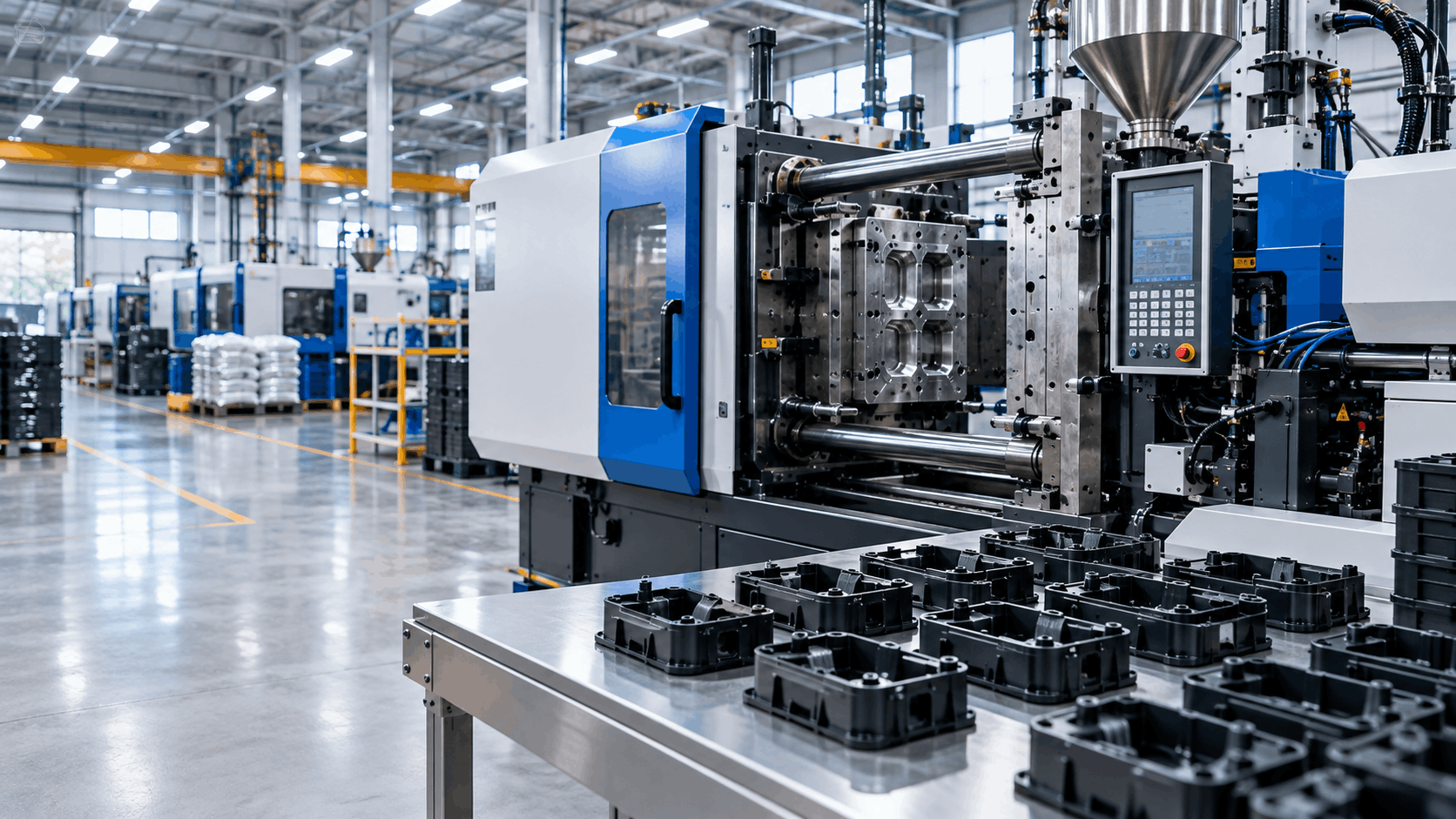
Let’s be honest. Most procurement managers don’t wake up thinking about CNC machining tolerances or spindle speeds. What they think about is this: will the parts arrive on time, will they pass inspection, and will the supplier pick up the phone when something goes wrong?
That’s exactly the right way to think about it. And that’s exactly what this guide is about.
If you’re sourcing CNC-machined parts for an OEM program — whether it’s automotive, industrial, or electronics — here’s what actually matters, in plain language.
CNC Machining for OEM Manufacturers — What the Equipment List Tells You
CNC machining is a subtractive process. You start with a block of material — metal, plastic, or composite — and a computer-controlled machine cuts away everything that isn’t the part.
In OEM manufacturing, CNC machining typically handles three things:
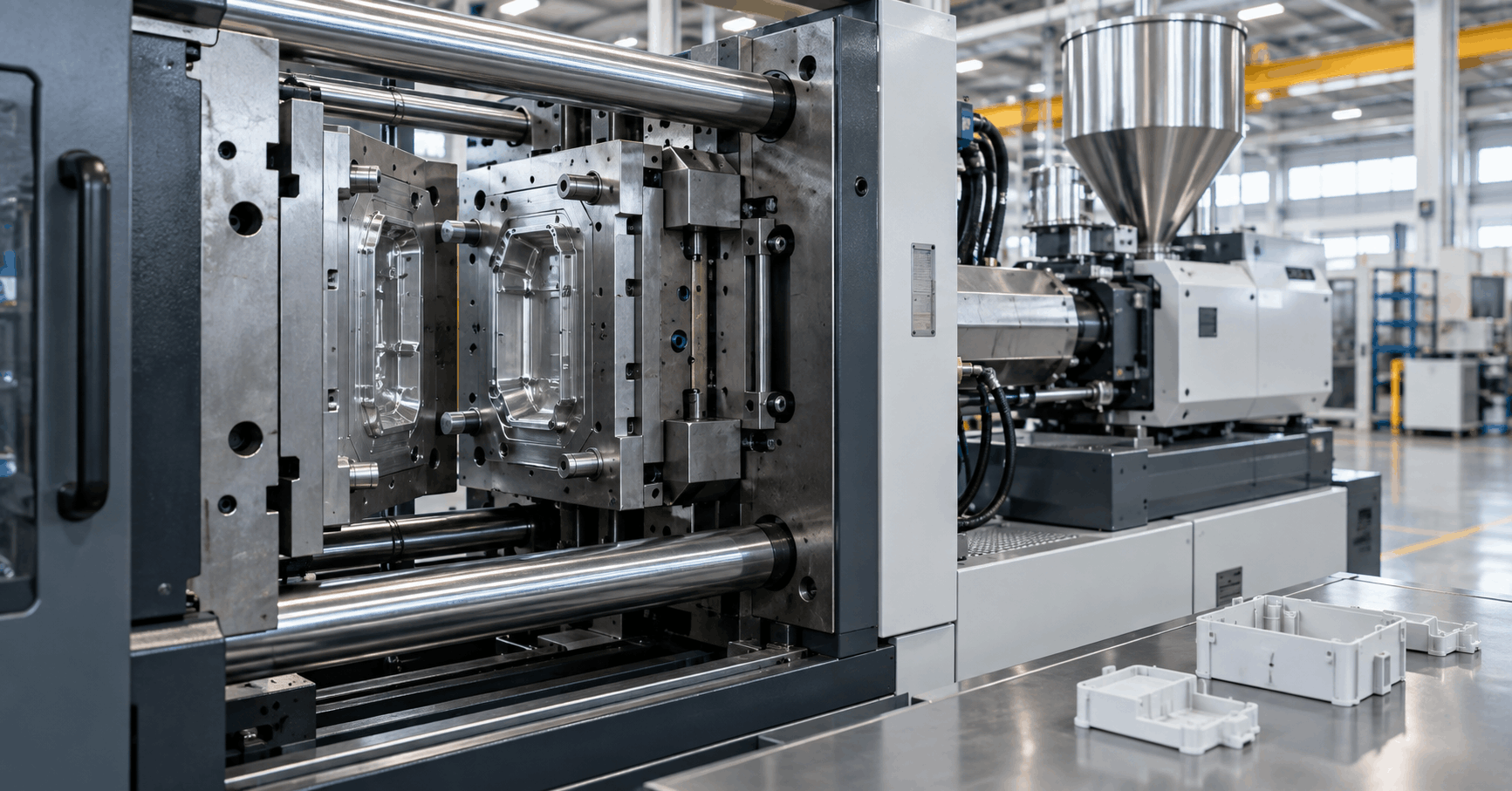
Tooling components. Before injection-molded parts can be produced at scale, someone has to make the mold. CNC machining is used to manufacture precision mold cavities, cores, and inserts. If your tooling supplier doesn’t have strong CNC capabilities, your mold quality will reflect that.
Production parts. Some components are better machined than molded — especially low-volume, high-complexity, or metal parts that require extremely tight tolerances.
Fixtures and jigs. These are the holding tools used during assembly and inspection. They don’t ship to the customer, but they directly affect whether the parts that do ship are accurate and consistent.
Understanding which category your program falls into helps you ask the right questions when you’re evaluating a supplier.
How Haumann Works as a CNC Machining OEM Manufacturer
When a supplier says they can hold a tolerance of ±0.01mm, that sounds impressive. But the real question is: can they hold it consistently, across every part, in every production run?
A tolerance is not a one-time achievement. It’s a process capability. And process capability is what separates suppliers who can produce parts from suppliers who can produce programs.
Here’s what to look for:
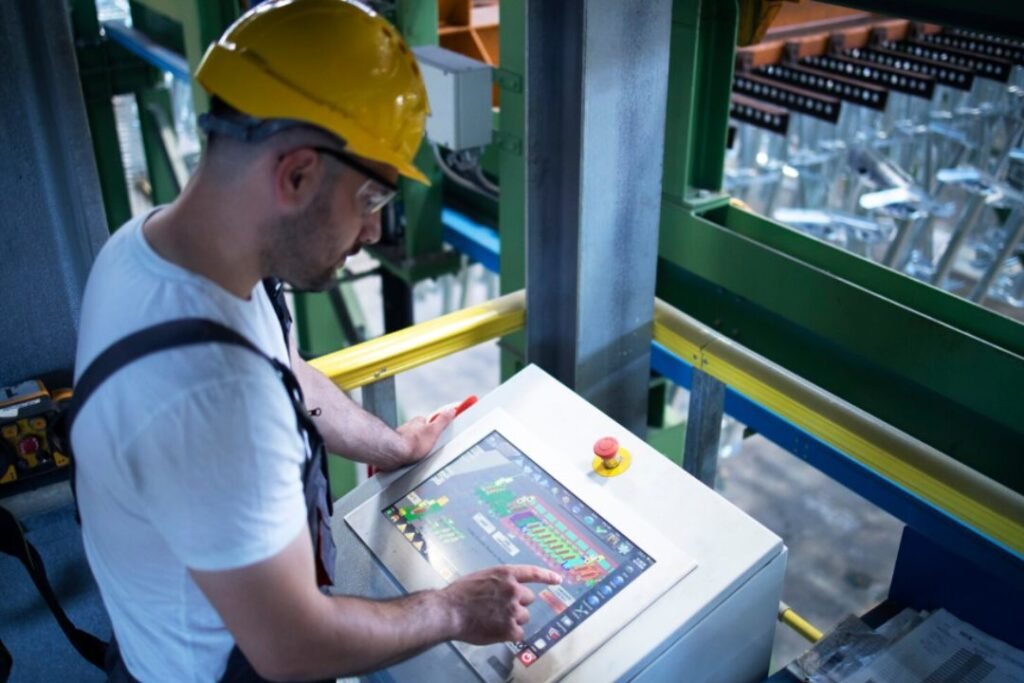
CMM inspection. Coordinate Measuring Machines verify part dimensions with precision that a caliper cannot match. If a supplier doesn’t have CMM capability, they cannot reliably document dimensional conformance — which means you can’t either.
First Article Inspection reports. A proper FAI report documents every critical dimension on the first approved parts. It’s your baseline. Without it, you have no reference point when dimensions drift in production.
In-process checks. Good suppliers don’t just inspect finished parts. They check dimensions during machining, before the part leaves the machine. Catching an out-of-spec condition at the machine is a ten-minute fix. Catching it after a batch ships is a program problem.
When you’re talking to a potential CNC supplier, ask them: “Can you walk me through your inspection process from raw material to shipping?” Their answer will tell you everything.
Why the Equipment List Matters More Than You Think
Not all CNC machining centers are the same. The equipment a supplier runs directly affects what they can and cannot produce for your program.
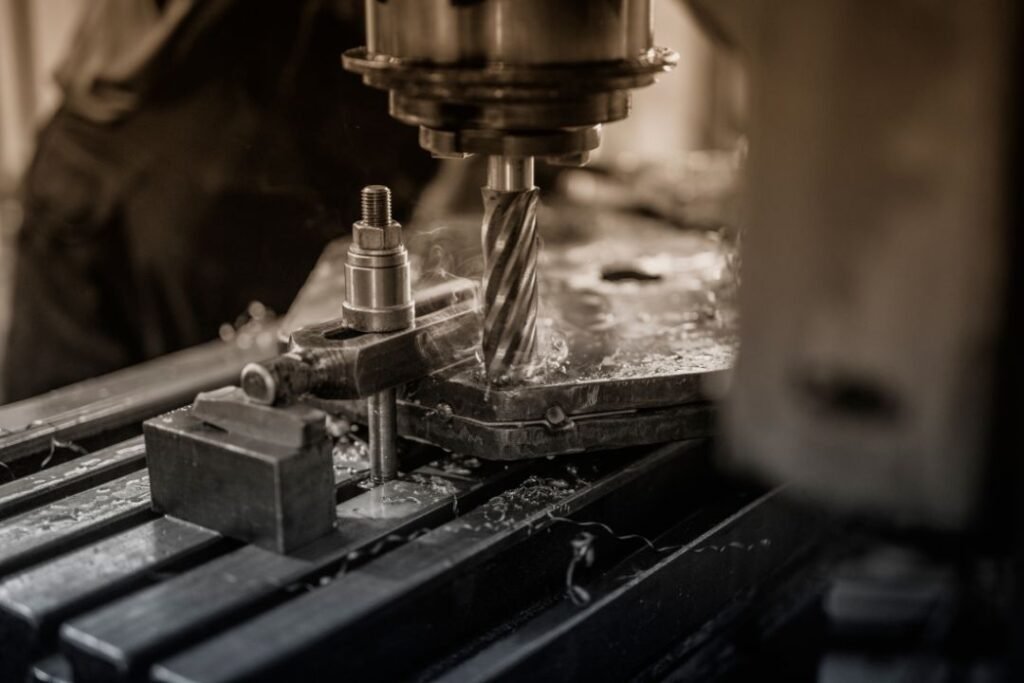
3-axis vs. 5-axis machining. A 3-axis machine moves in three directions — left/right, front/back, up/down. A 5-axis machine adds two rotational axes, which means it can machine complex geometries in a single setup. For complex mold components or precision housings, 5-axis capability reduces the number of setups, which reduces opportunities for error.
Machine size and tonnage. The physical size of the machine determines the maximum part size it can handle. If your program requires large structural components, confirm the supplier’s machine envelope before you commit.
Spindle speed and rigidity. For tight-tolerance work, machine rigidity matters as much as the cutting program. Vibration during machining translates directly into surface finish and dimensional variation.
You don’t need to become a machining expert. But asking “what machines do you run, and what are their tolerances?” is a completely reasonable question — and the answer will tell you how seriously the supplier takes their equipment investment.
The Integration Advantage — Why One Partner Is Better Than Two
Here’s something that doesn’t get talked about enough in procurement conversations: supplier handoffs are where programs go wrong.
If your injection-molded parts are made by one supplier and the tooling is machined by another, you have two sets of tolerances, two quality systems, two communication channels, and two potential places for the blame to land when something doesn’t fit.
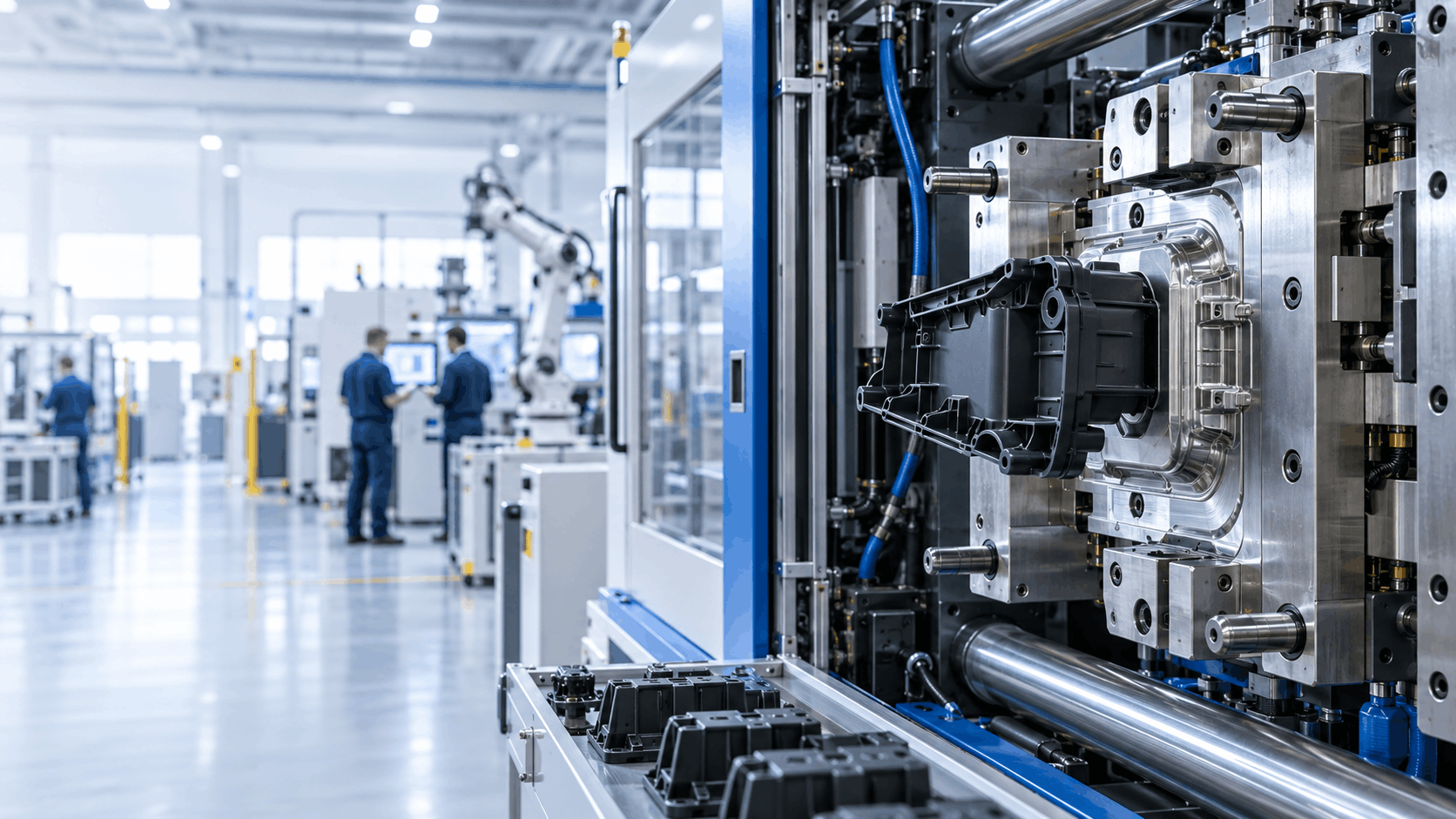
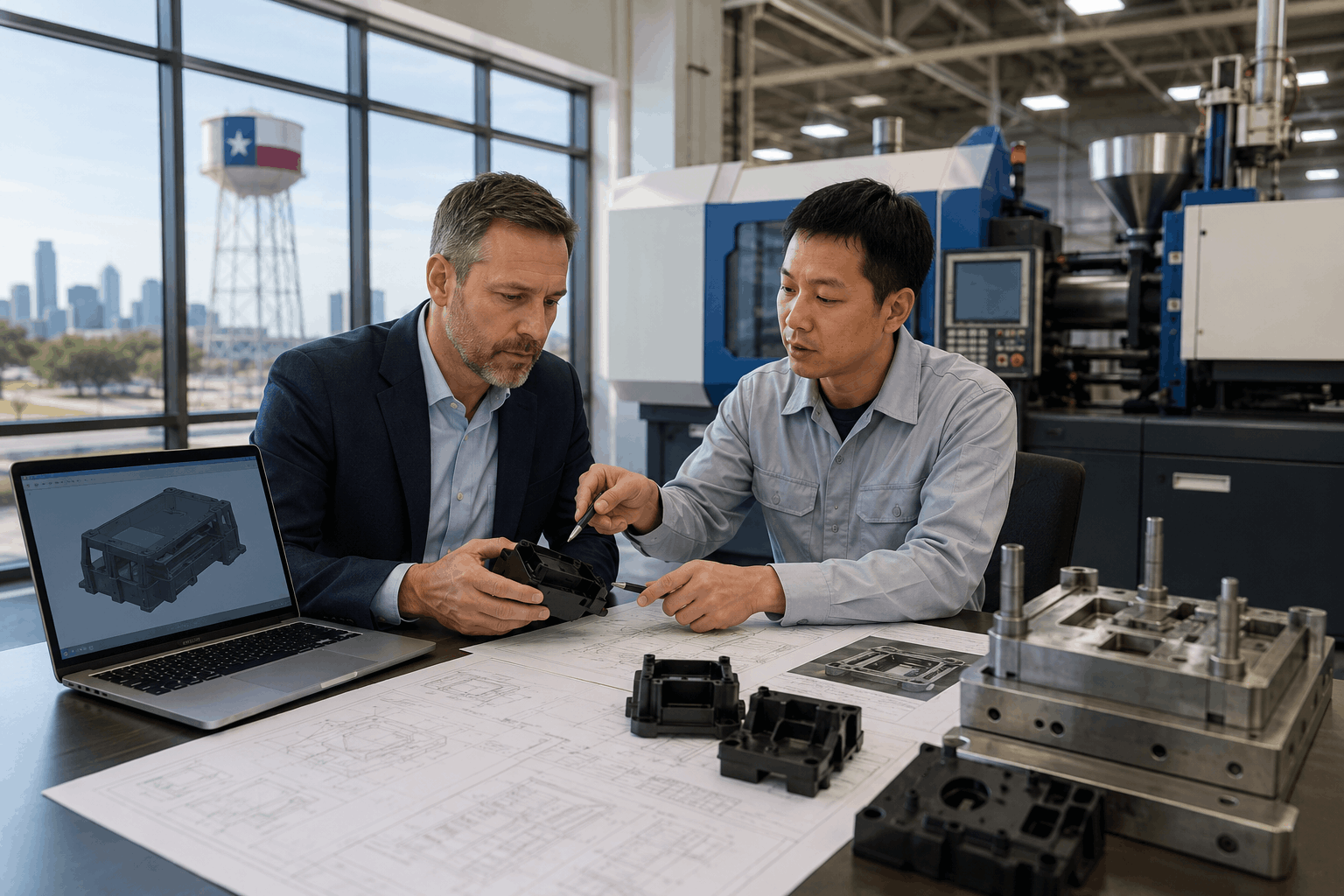
When your CNC machining and injection molding are handled by the same team, under the same roof and the same quality system, the conversation changes completely. The tooling engineer and the production engineer are talking to each other before the mold is cut. DFM feedback is built into the tooling design. Dimensional issues are caught and resolved internally — not after they’ve already affected your production schedule.
For OEM programs with tight timelines and zero tolerance for supplier finger-pointing, integrated manufacturing is not a luxury. It’s a risk management strategy.
What Procurement Managers Should Actually Ask a CNC Supplier
Before you approve a new CNC machining supplier for your program, here are five questions worth asking directly:
1. What is your typical lead time from drawing approval to first article delivery? This tells you how they manage their shop floor and whether they can support your development timeline.
2. How do you handle engineering changes after tooling has started? Changes happen. Suppliers who have a clear, documented process for managing ECOs are easier to work with than those who handle it case by case.
3. Can you provide a sample FAI report from a recent program? If they can’t produce one, or if it’s incomplete, that’s a meaningful signal about their quality documentation practices.
4. Who is my point of contact when I have a question or a problem? In manufacturing, it’s not the sales rep who protects your program. It’s the engineering and production team. Find out early who that person is and whether they’re accessible.
5. Do you have experience with programs in my industry? Automotive, medical, and aerospace programs each have specific requirements — certifications, documentation standards, and quality levels. Experience in your sector matters.
How Haumann Approaches CNC Machining for OEM Programs
At Haumann, CNC machining is not a standalone service. It’s part of how we build and maintain tooling, support production programs, and deliver finished components that meet OEM dimensional requirements.
Our Houston-based engineering team manages CNC work as part of the broader program, which means the same engineers who review your DFM are connected to the team cutting your tooling. When a dimension is tight, that conversation happens before the machine starts, not after the first article fails.
We run CNC machining for:
- Precision mold tooling — cavities, cores, slides, and inserts
- Production components requiring tight tolerances and documented inspection
- Fixtures and assembly tooling for quality-controlled production lines
- Carbon fiber and composite component machining for performance applications
Every CNC program at Haumann is supported by CMM inspection, documented FAI reporting, and the same quality standards that govern our injection molding programs — including IATF 16949 certification for automotive OEM work.
If you’re evaluating CNC machining suppliers for an upcoming program and want to understand what a connected, engineering-driven approach looks like in practice, our team is available for a direct conversation.
Ready to Talk About Your Program?
Whether you have drawings in hand or you’re still in the early stages of planning, Haumann’s engineering team can provide a fast, practical assessment of your CNC machining requirements.
Request a Free Engineering Consultation →
We respond within one business day.