
Industrial Plastic Injection Molding for Mechanical Components
We deliver heavy-duty contract manufacturing utilizing precision industrial plastic injection molding, advanced tool fabrication, and robust validation frameworks engineered for global OEM suppliers.
Heavy-Duty Industrial Plastic Injection Molding Services
The manufacturing of plastic components for heavy machinery demands exceptional structural load durability, flawless dimensional stability, and repeatable process parameters under severe environment cycles. Our global contract manufacturing setup delivers high-performance custom molded industrial plastics engineered to substitute high-cost die-cast metallic sub-assemblies. We manage complex multi-tiered schedules, converting raw geometric blueprints smoothly into rugged, application-ready operational components.
Our production lines couple robust multi-cavity tool building with automated process monitoring to secure micro-level tolerances and eliminate internal component stress weak points. Whether you run programs for complex high-load transmission gears, chemical-resistant fluid pump impellers, or large-scale structural equipment housings, our workflows protect your engineering intent. With professional project control based in Houston, Texas, we provide enterprise procurement teams with absolute cross-batch traceability and lower operational scrap rates.
Industrial Plastic Injection Molding Key Highlights:
- Specialized metal insert overmolding engineered with verified bonding adhesion for demanding structural mechanical stress environments.
- Tight-tolerance custom tool development configured to achieve precise fitments across complex transmission frameworks and fluid valve housings.
- Advanced resin stabilization covering glass-filled polymers for peak impact thresholds, thermal limits, and long-term dynamic wear metrics.
- Scalable production fleet capacity supporting massive industrial equipment assemblies, structural frames, and heavy-duty structural enclosures.
Haumann supports industrial and mechanical plastic component programs through its integrated OEM manufacturing platform, delivering precision injection molding, in-house tooling, CNC machining, and assembly services engineered for durability, dimensional stability, and repeatable high-volume production.
Engineering-Led Mechanical Plastic Parts Manufacturing
Our Industrial & Mechanical Plastic Components programs are supported by DFM-driven tooling, CNC machining, and integrated assembly. Haumann’s OEM manufacturing approach is built on engineering discipline, DFM-driven tooling, and controlled production processes to support long-term production stability.
Our support includes:
Technical Process Execution: High-pressure industrial plastic injection molding workflows configured for extreme physical reliability and repeatable tolerance parameters.
Structural Hardware Design: Rugged manufacturing of thick-walled high-impact equipment housings, engine brackets, and technical load-bearing elements.
Upfront Risk Management: In-depth upfront DFM simulation reviews and advanced tool fabrication setups that lower cyclic programmatic costs and processing variables.
High-Precision CNC Machining: Multi-axis secondary milling profiles to clear parting line variations and establish precise interface geometries.
Specialized Composite Engineering: Strategic engineering deployment of glass-reinforced materials to optimize physical stiffness and weight configurations.
Complete Vertical Assemblies: Integrated structural secondary assemblies, including ultrasonic component welding, custom tracking identification, and wire layouts.
Contract Capabilities for Custom Molded Industrial Plastics
The following production capabilities are commonly applied to industrial and mechanical plastic component manufacturing, supporting durability, dimensional accuracy, and long-term performance in demanding environments.
Injection Molding Components
We operate automated processing work-cells optimized to run complex engineering-grade thermoplastics. Uniform wall distributions prevent dimensional deviations and surface sink marks across thick-walled heavy components.
Tooling Engineering & Mold Fabrication
Our specialized tool design center cuts hard-milled steel production tool bases engineered to withstand strict clamping pressures and deep injection dynamic cycles over millions of production strokes.
CNC Machining & Precision Processing
We utilize multi-axis secondary CNC milling setups to remove structural molding boundaries, clean complex parting planes, and achieve exact interface dimensions for heavy assembly blocks.
Reliable Infrastructure for Your Industrial Plastic Components Manufacturer Programs
See how our industrial and mechanical plastic component manufacturing capabilities support OEM programs—from precision tooling through high-volume injection molding and integrated assembly.
With Houston-based engineering and scalable global manufacturing, we deliver consistent, production-ready plastic components designed for structural integrity, dimensional stability, and long-term performance in demanding industrial environments.
The Haumann Advantage:
- Micro-Level Cycle Control: Real-time electronic parameter logging protects micro-level wall profiles and exact volumetric automotive specifications.
- Durable Tool Configurations: Proactive custom tool maintenance programs protect your mold investment while lowering active part scrap rates on enterprise programs.
- High-Volume Machinery Matrices: Continuous high-tonnage heavy processing equipment enables highly reliable large-scale industrial product configurations.
- Ready-To-Install Sub-Assemblies: Vertical modular sub-assembly integration delivers completely finished multi-component systems straight to your global dispatch docks.
Featured Products:
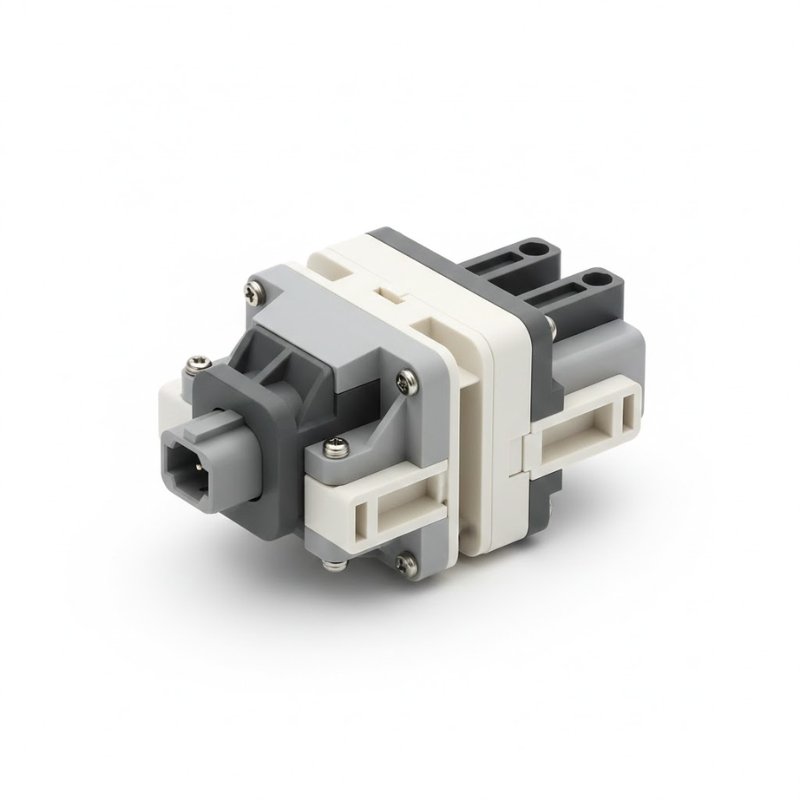
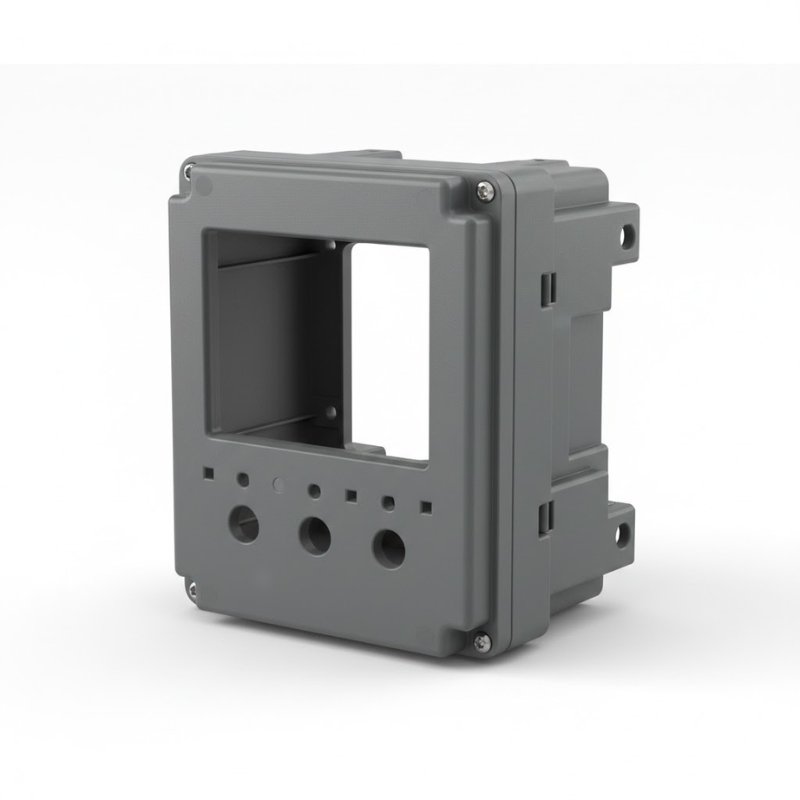
Industrial Equipment Plastic Housings
|Industrial
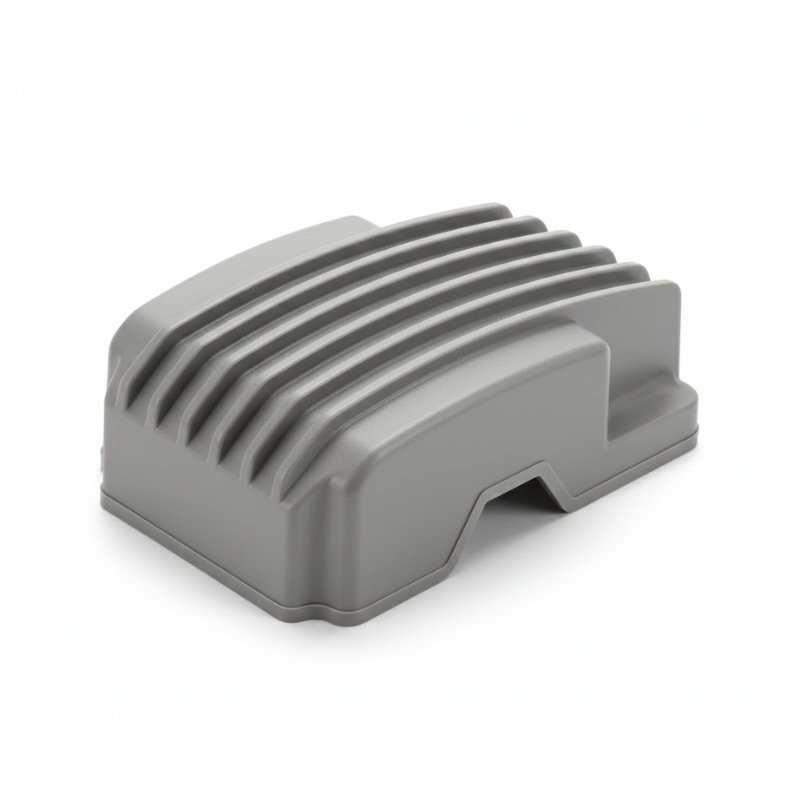
Mechanical Structural Plastic Parts
|Mechanical
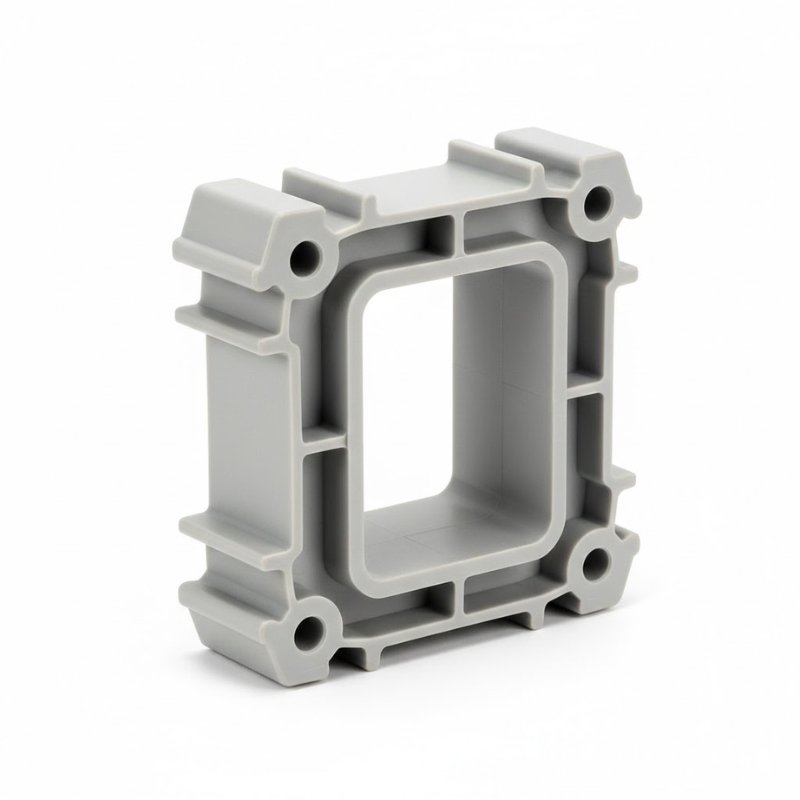
Functional Industrial Plastic Components
|Industrial
Typical Industrial & Mechanical Applications
Our OEM manufacturing platform supports a wide range of industrial and mechanical plastic component applications, including:
Industrial equipment housings and protective covers
Structural brackets and load-bearing plastic components
Mechanical interfaces, guides, and mounting features
Precision inserts, wear components, and reinforced parts
Integrated mechanical sub-assemblies for industrial systems
Why OEM Partners in Industrial & Mechanical Choose Haumann
Engineering-led manufacturing approach focused on durability and production readiness
Strong DFM and tooling discipline for industrial plastic components
Emphasis on dimensional accuracy, strength, and long-term reliability
Integrated manufacturing from tooling through molding and assembly
Experience supporting complex, production-critical industrial components
Dual-base manufacturing support (USA + China) for supply chain flexibility
How It Works
Application review and operating condition assessment
DFM analysis and manufacturing strategy alignment
Tooling development, component production, and validation
Assembly, scale-up, and ongoing process control for stable production
Related Market & Capability Links
Looking for an OEM Manufacturing Partner for Industrial & Mechanical Components?
Start with a DFM-driven review to align your industrial and mechanical plastic component program with a stable, production-ready manufacturing plan focused on durability, dimensional accuracy, and long-term reliability.