
Automotive Plastic Component Manufacturing Solutions
German-engineered tooling, precision injection molding | Scalable production support | Tier 1 and Tier 2 automotive suppliers.
OEM Automotive Plastic Component Manufacturing
Automotive plastic components manufacturing requires tight tolerances, material stability, and repeatable production performance. Haumann Technology supports OEM automotive programs through precision injection molding, tooling, and integrated assembly designed for Tier 1 and Tier 2 suppliers. We deliver production-ready automotive components designed to meet strict quality, safety, and performance requirements.
Our automotive manufacturing platform combines German engineered tooling, engineering led DFM support, and scalable global production to ensure dimensional stability, repeatability, and long-term reliability across high volume programs.
From structural housings and functional interior components to under the hood plastic parts, we help automotive OEM programs transition smoothly from prototype validation to full scale production while maintaining tight tolerances, cosmetic consistency, and process control.
Automotive Cooling Fan Manufacturing & Validation:
- Static and dynamic balancing validation to ensure rotational stability at operating RPM
- NVH-focused process control to achieve low vibration and acoustic performance
- End-of-line functional testing covering airflow output, torque, and startup consistency
- IATF 16949 compliant production system with full traceability and batch repeatability supporting premium European automotive programs
Haumann supports automotive plastic component manufacturing through its integrated OEM platform, delivering precision injection molding, tooling engineering, CNC machining, and assembly services for Tier 1 and Tier 2 automotive suppliers. Our processes are engineered to ensure dimensional stability, durability, and consistent high-volume production across critical automotive applications.
How We Support Automotive Applications
Automotive programs demand tight tolerances, material consistency, and repeatable high-volume production. Our automotive plastic component manufacturing approach is built around DFM-driven engineering, controlled tooling, and validated production processes to support Tier 1 and Tier 2 OEM requirements.
Our support includes:
Injection molded automotive plastic components for structural and functional applications
Tooling engineering and DFM support to ensure production readiness and dimensional stability
CNC machining for precision features, inserts, and critical interfaces
Selective lightweight and composite solutions for stiffness-critical or weight-reduction applications
Assembly and integrated manufacturing for automotive sub-assemblies and functional modules
Manufacturing Capabilities Applied to the Automotive Market
The following production capabilities are commonly applied to automotive plastic component manufacturing programs, supporting Tier 1 and Tier 2 suppliers from development through high-volume production.
Automotive Plastic Components Manufacturing for Tier 1 & Tier 2 Suppliers
Injection Molding Components
Structural and functional automotive plastic components engineered for interior, exterior, and under-the-hood applications where dimensional accuracy and material stability are critical.
Tooling Engineering & Mold Fabrication
DFM-driven tooling engineering and mold fabrication designed to ensure long-term dimensional control, repeatability, and production stability across automotive programs.
CNC Machining & Precision Processing
Precision CNC machining supporting tooling components, inserts, fixtures, and critical automotive interfaces requiring tight tolerances and repeatable accuracy.
Advanced Manufacturing Operations for Automotive Plastic Components
See how our automotive plastic component manufacturing capabilities support OEM programs from precision tooling through high-volume injection molding production.
With German-engineered tooling, Houston-based engineering, and scalable global manufacturing, we deliver consistent, production-ready automotive plastic components for Tier 1 and Tier 2 suppliers.
The Haumann Advantage:
- Repeatable Precision – Injection molding processes engineered for tight tolerances, dimensional stability, and long-term durability
- German-Engineered Tooling – Advanced mold design and process control to meet demanding automotive quality standards
- High-Volume Capacity – Multi-cavity tooling and stabilized cycle times supporting scalable automotive production
- Value-Added Assembly – Integrated secondary operations and sub-assembly services for ready-to-install automotive components
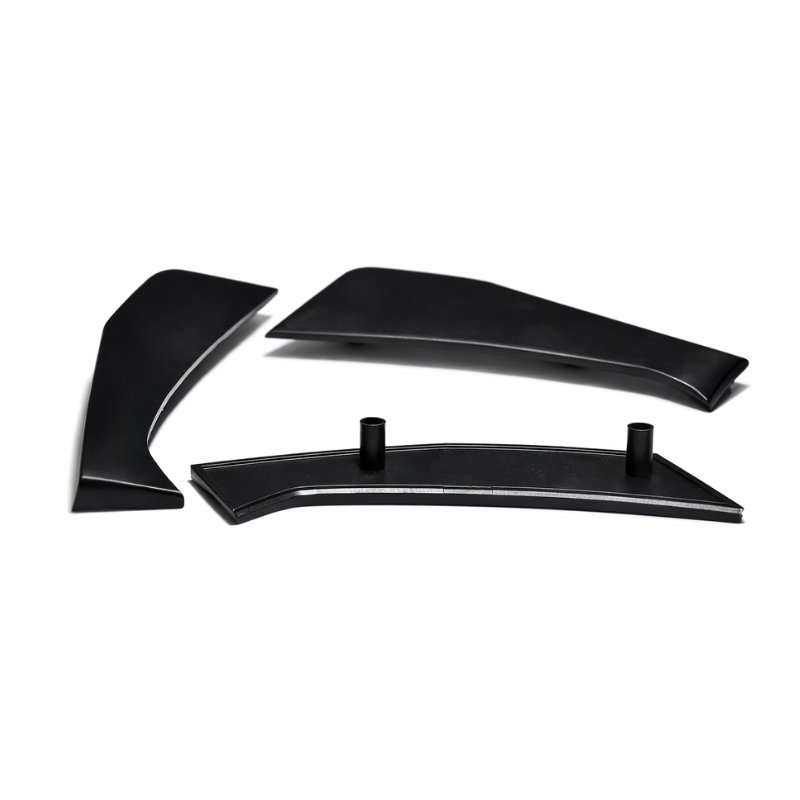
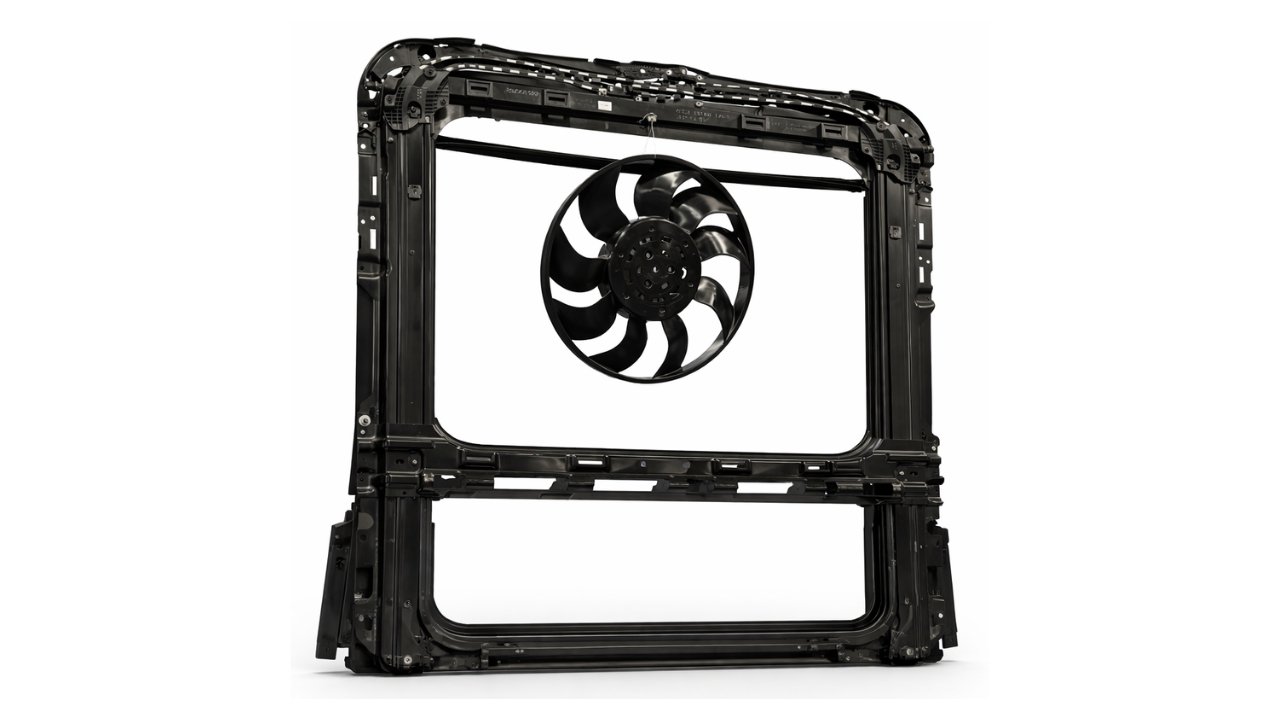
Automotive Plastic Components
|Automotive
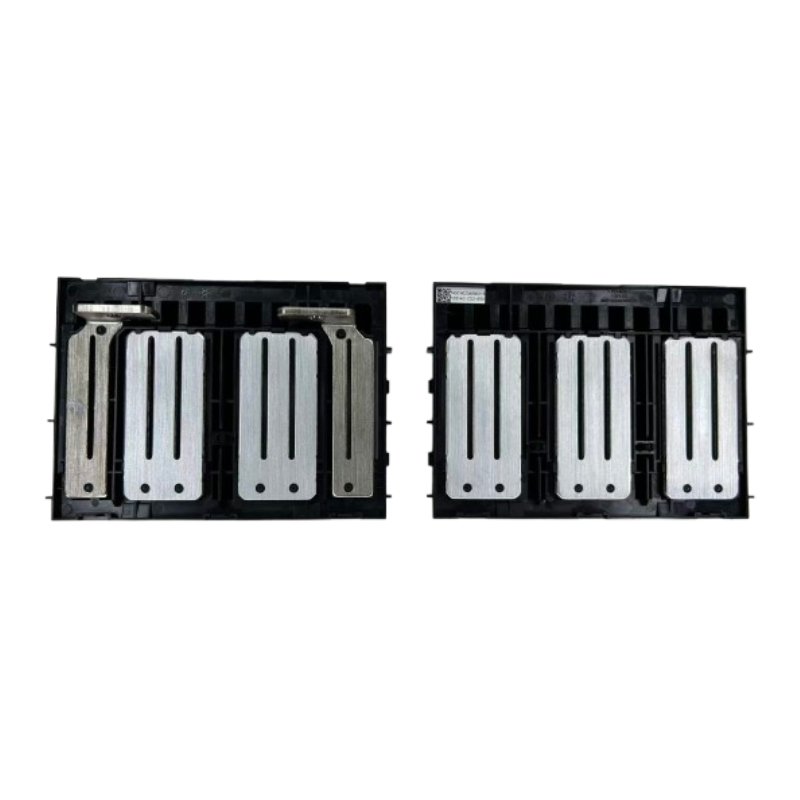
Automotive Electronic Parts
|Automotive
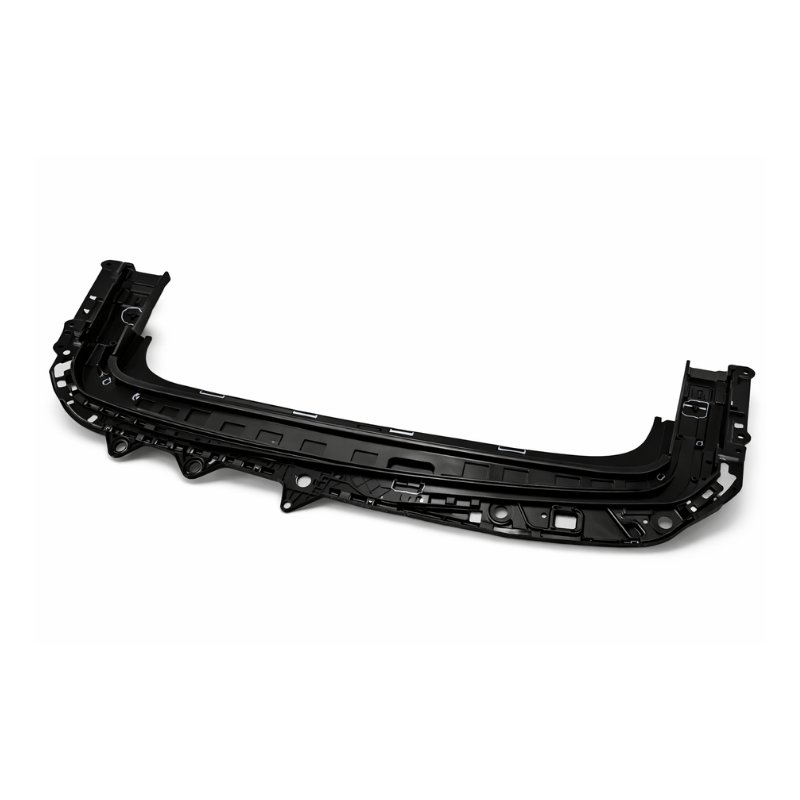
Under-Hood Plastic Components
|Automotive
Typical Automotive Plastic Component Applications
Our OEM manufacturing platform supports Tier 1 and Tier 2 programs with automotive plastic components manufacturing, including:
Interior and exterior automotive plastic components
Structural housings, frames, and mounting brackets
Functional modules and interface components for vehicle systems
Precision inserts, clips, and mounting features requiring tight tolerances
Integrated sub-assemblies for automotive production lines
Automotive plastic components are commonly manufactured to meet ISO quality standards and ASTM material specifications to ensure durability, safety, and regulatory compliance.
Why OEM Partners in Automotive Choose Haumann
OEMs choose Haumann as an automotive plastic components manufacturer because we deliver engineering discipline, repeatability, and stable production performance.
- Engineering-led DFM and tooling discipline
- Experience supporting tight-tolerance, production-critical components
- Focus on repeatability and long-term production stability
- Integrated manufacturing from tooling through assembly
- Clear process control and accountability
- Dual-base manufacturing support (USA + China)
How Our Automotive Manufacturing Process Works
Our automotive manufacturing workflow is designed to reduce risk, protect tolerances, and ensure production readiness.
Application and requirement review for automotive programs
DFM and manufacturing strategy alignment for stable production
Tooling, automotive plastic component production, and validation
Assembly, scale-up, and ongoing process control for repeatable output
Related Automotive Markets & Manufacturing Capabilities
Explore additional capabilities and resources supporting our automotive plastic components manufacturing programs:
Our automotive plastic components manufacturing capabilities support interior, exterior, and functional vehicle systems at production scale.
Looking for an OEM Manufacturing Partner for Automotive Plastic Components?
Start with a DFM review to align your automotive plastic component manufacturing program with a stable, production-ready plan designed for Tier 1 and Tier 2 requirements.