- globalsales@haumann-group.com
- +1 (832) 497-0809
Explore expert insights on plastic injection molding, manufacturing strategy, and engineering innovation. Discover case studies, industry updates, and practical knowledge for OEMs and product engineers.
Topics include injection molding design, plastic manufacturing, OEM production strategies, and industry events shaping the future of manufacturing.
Insights & Resources
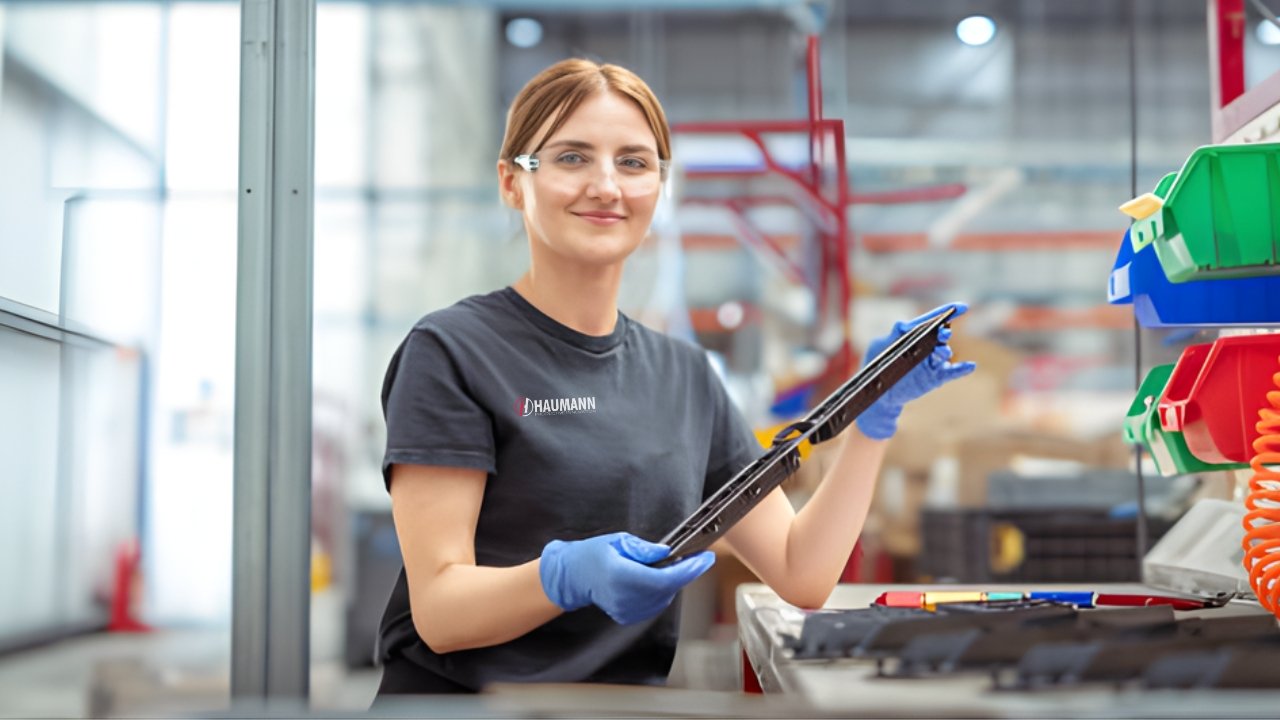
Choosing the right automotive plastic parts manufacturer is one of the most critical decisions an OEM engineering or procurement team
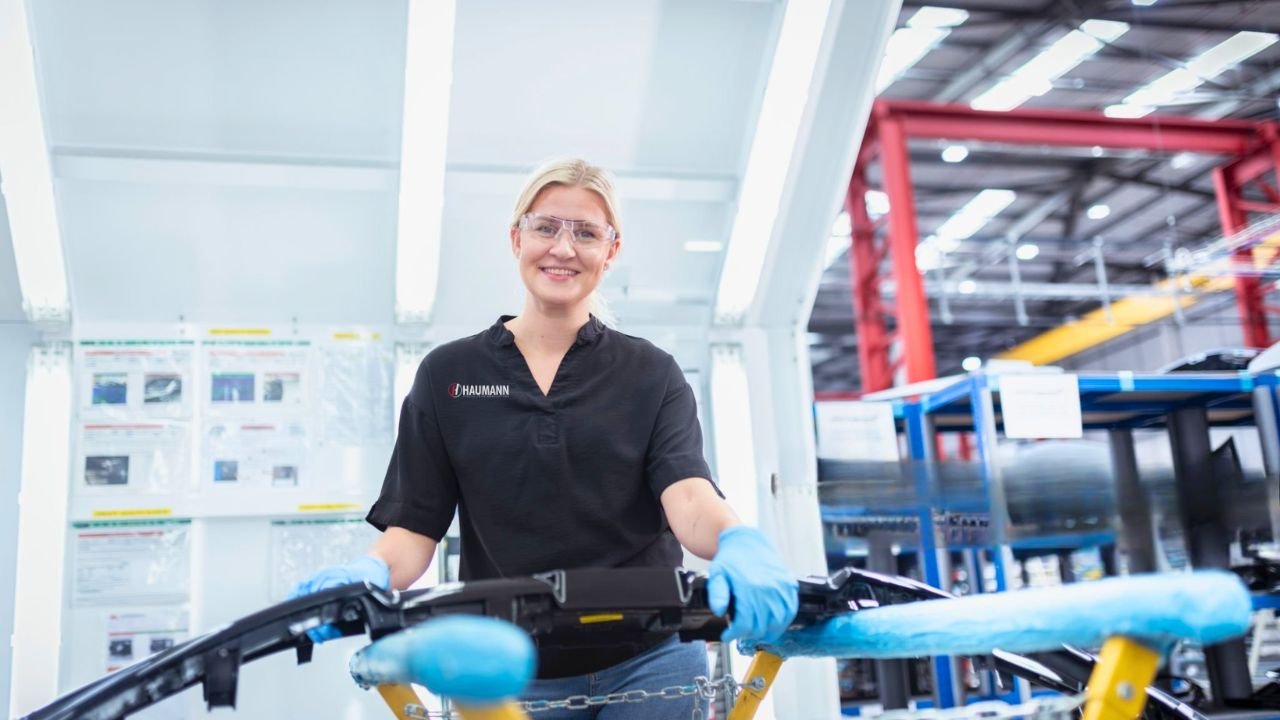
High-performance resins for automotive and sporting goods are becoming essential materials for modern OEM manufacturing. These engineering-grade polymers provide the

The world of consumer electronics moves fast, faster than nearly any other manufacturing sector. Devices are becoming smaller, more durable,
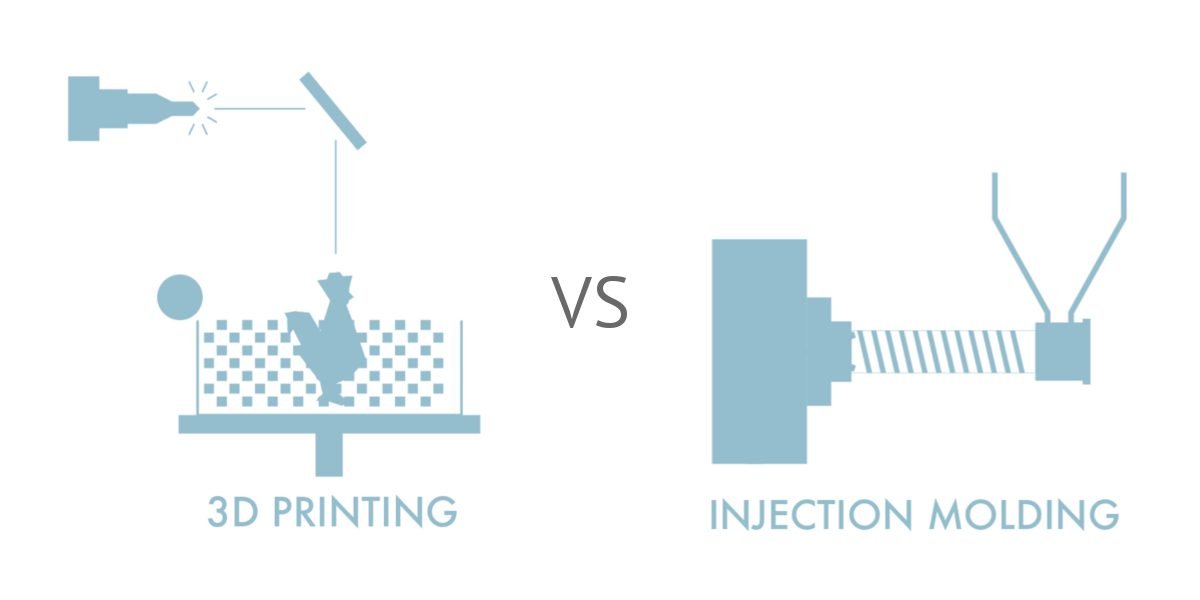
When a company is developing a new plastic part, one of the biggest decisions they face is choosing between injection

When people talk about plastic manufacturing, they often refer to injection molders, the teams and facilities responsible for transforming raw
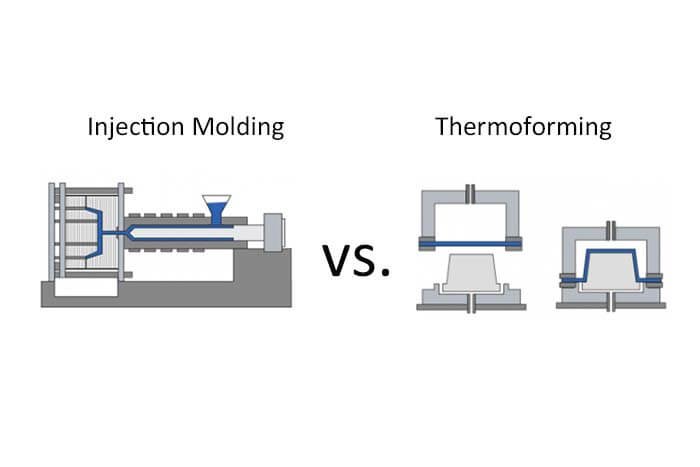
Manufacturers, OEMs, and product teams often reach a point where they must choose between two major plastic-forming processes: injection molding



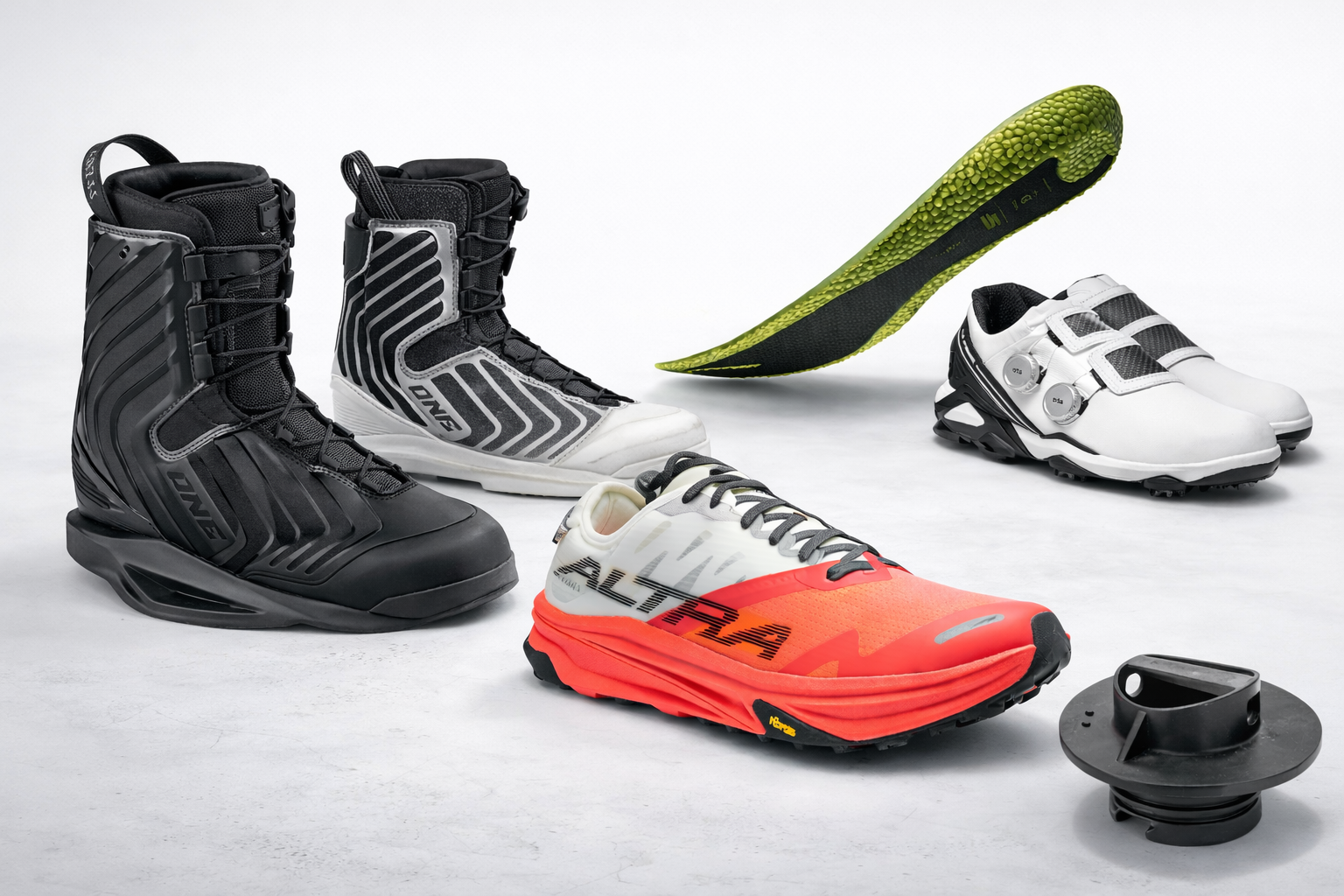
In the sports and recreation field, Sports Equipment is the one that sets up performance, safety, and experience. The way
Below are some of the most common questions engineers and OEM buyers ask about custom plastic injection molding and manufacturing capabilities.
Custom plastic injection molding is a manufacturing process used to produce plastic parts by injecting molten plastic material into a mold. It allows manufacturers to create highly precise, repeatable components for industries such as automotive, consumer electronics, medical devices, and industrial equipment.
Plastic injection molding is widely used across many industries including automotive, electronics, medical devices, consumer products, and industrial equipment. The process is ideal for producing complex plastic components at scale with consistent quality and tight tolerances.
Plastic injection molding offers several advantages including high production efficiency, consistent part quality, design flexibility, and cost-effective manufacturing for large production volumes. It also supports a wide range of engineering-grade plastic materials and complex geometries.
The cost of custom injection molding depends on several factors including mold design complexity, material selection, production volume, and part size. While tooling costs can be higher initially, injection molding becomes highly cost-efficient for medium to high production volumes.
Common materials used in plastic injection molding include ABS, polypropylene (PP), polyethylene (PE), polycarbonate (PC), nylon (PA), and engineering-grade resins. The material selection depends on the required mechanical properties, temperature resistance, and product application.
Yes. Injection molding is one of the most efficient manufacturing methods for high-volume plastic part production. Once tooling is developed, manufacturers can produce thousands or even millions of parts with consistent quality and repeatability.