When a company is developing a new plastic part, one of the biggest decisions they face is choosing between injection molding and 3D printing. Both technologies have advanced dramatically over the last decade, but each serves a very different purpose in the product development pipeline.
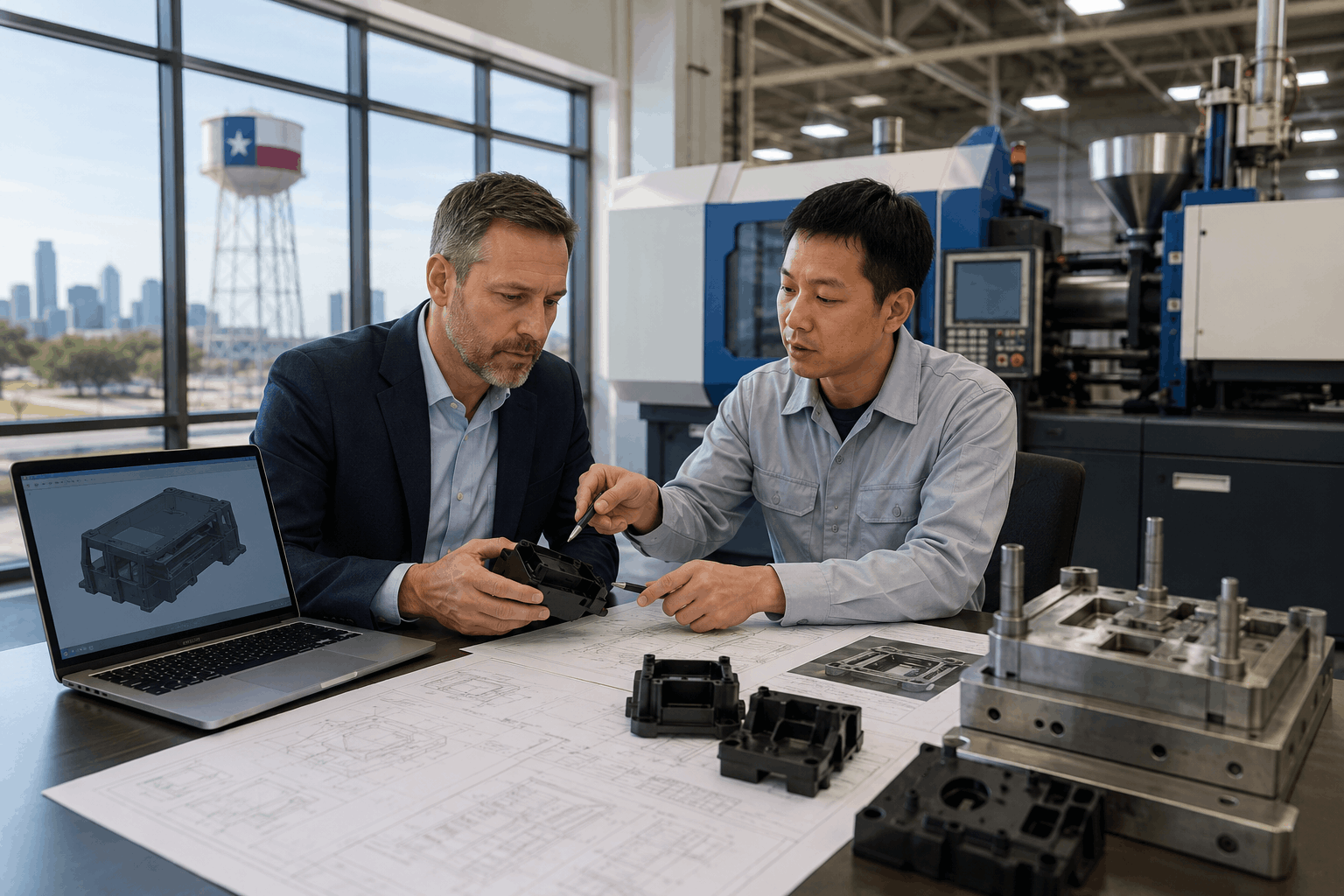
For businesses in Houston, The Woodlands, and across Texas, choosing the right manufacturing method directly affects cost, lead time, product reliability, and scalability. The Haumann Group’s daily work is closely related to engineers, startups, and OEMs who do not want unclear technical words and require simple and practical guidance, so they will be able to choose the right process for their production goals. This guide illustrates the practical differences between injection molding and 3D printing in the aspects of cost, tolerances, materials, design flexibility, and the appropriate time for each method.
What is Injection Molding?
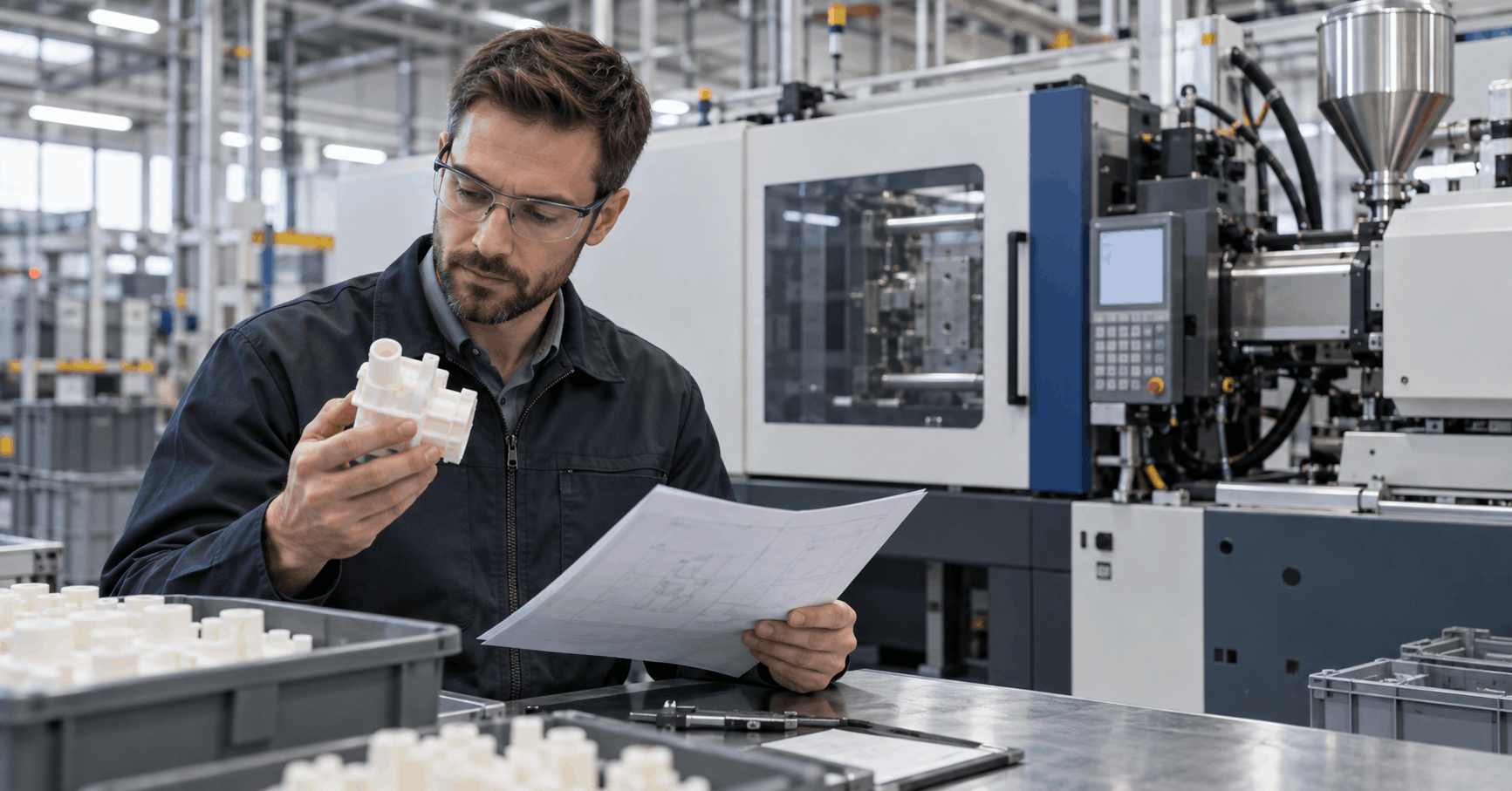
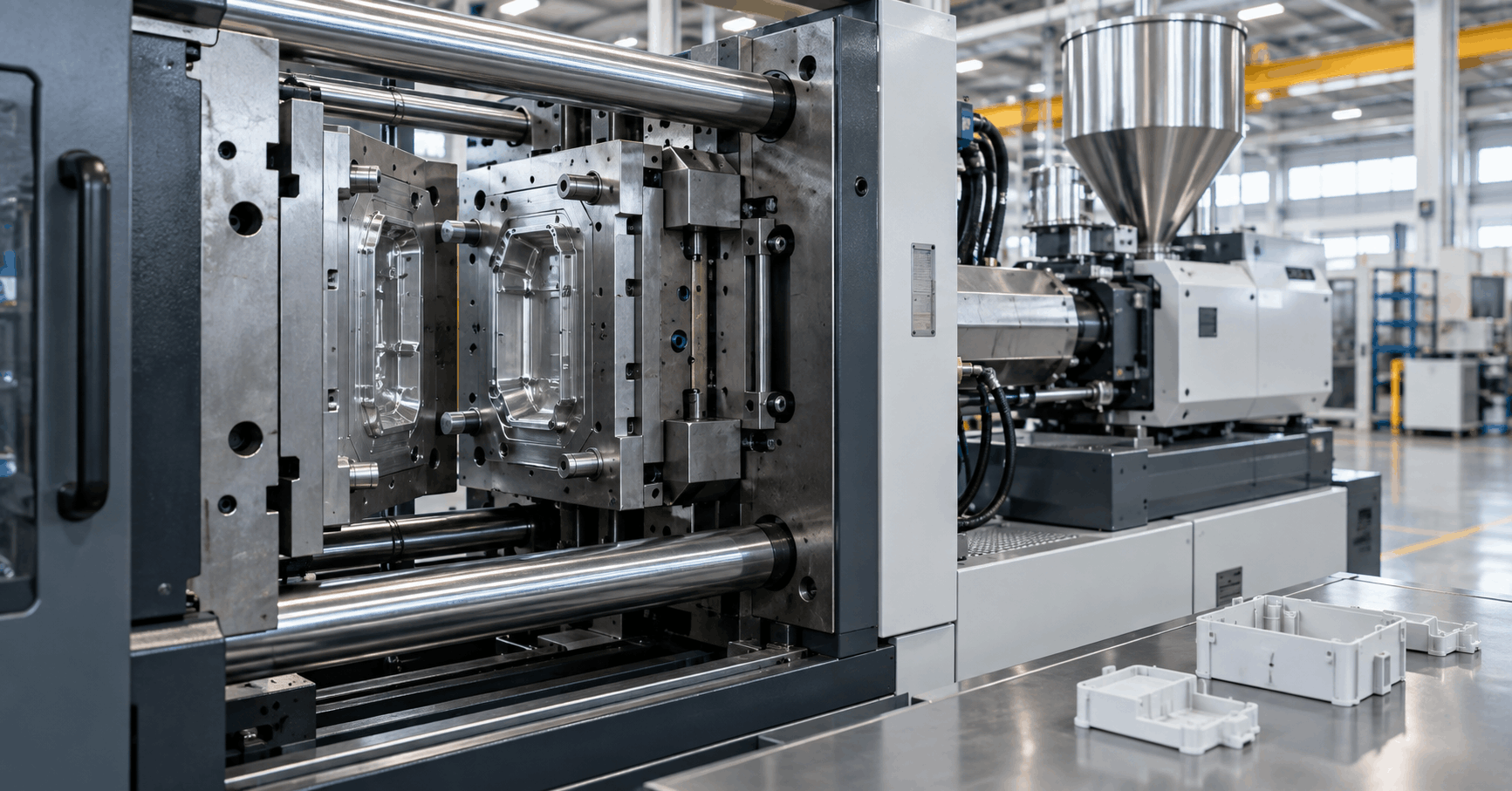
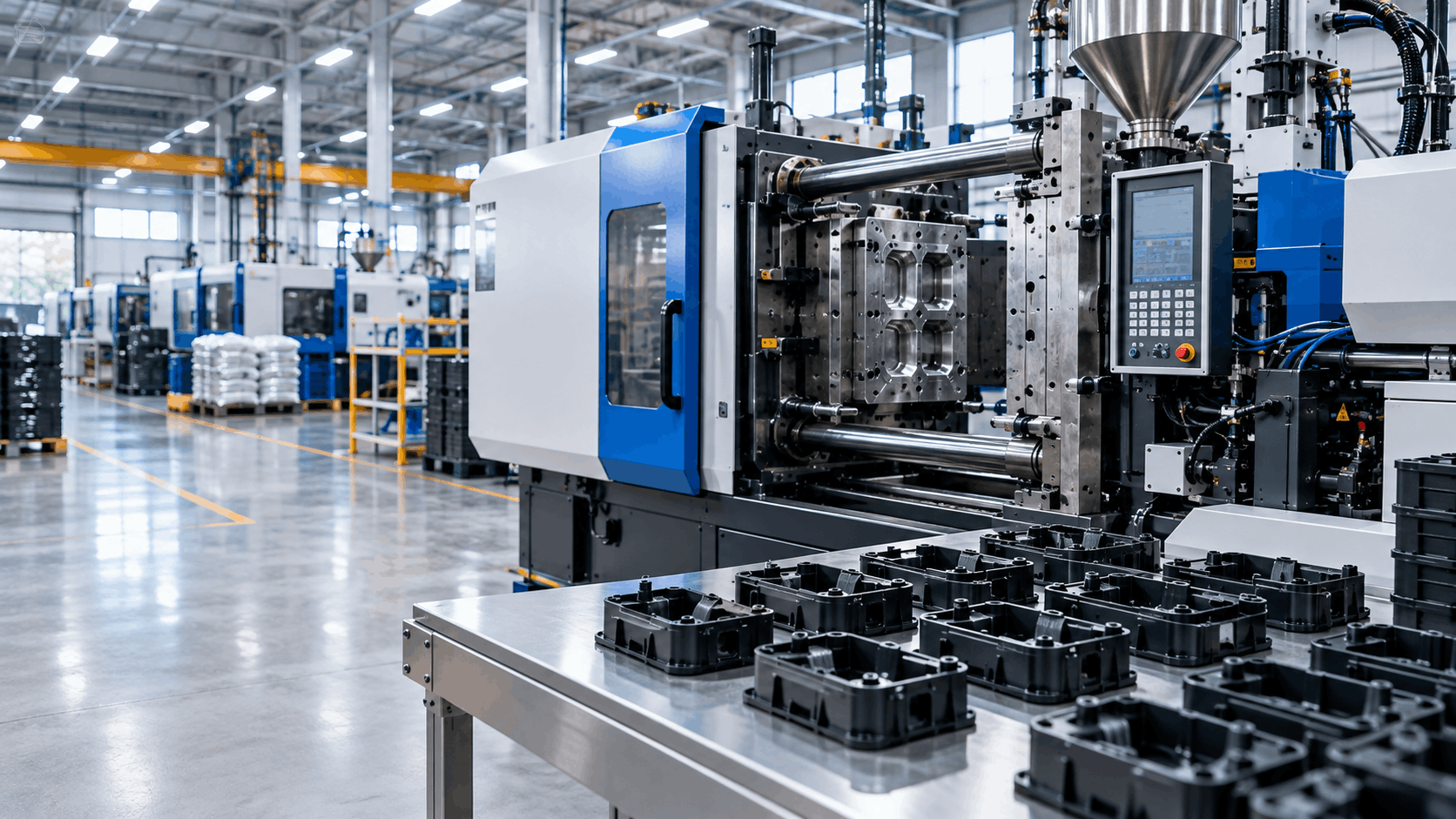
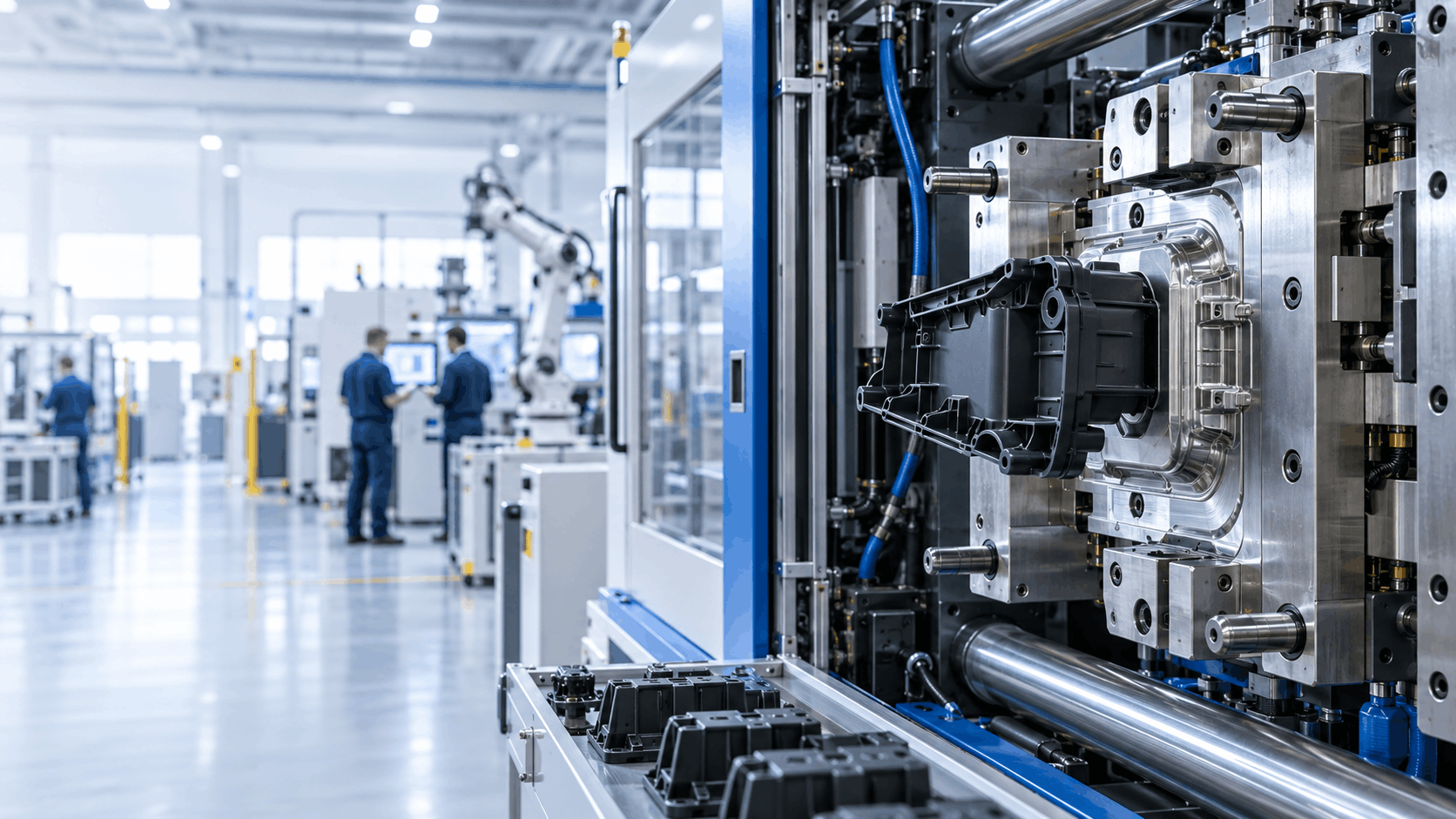
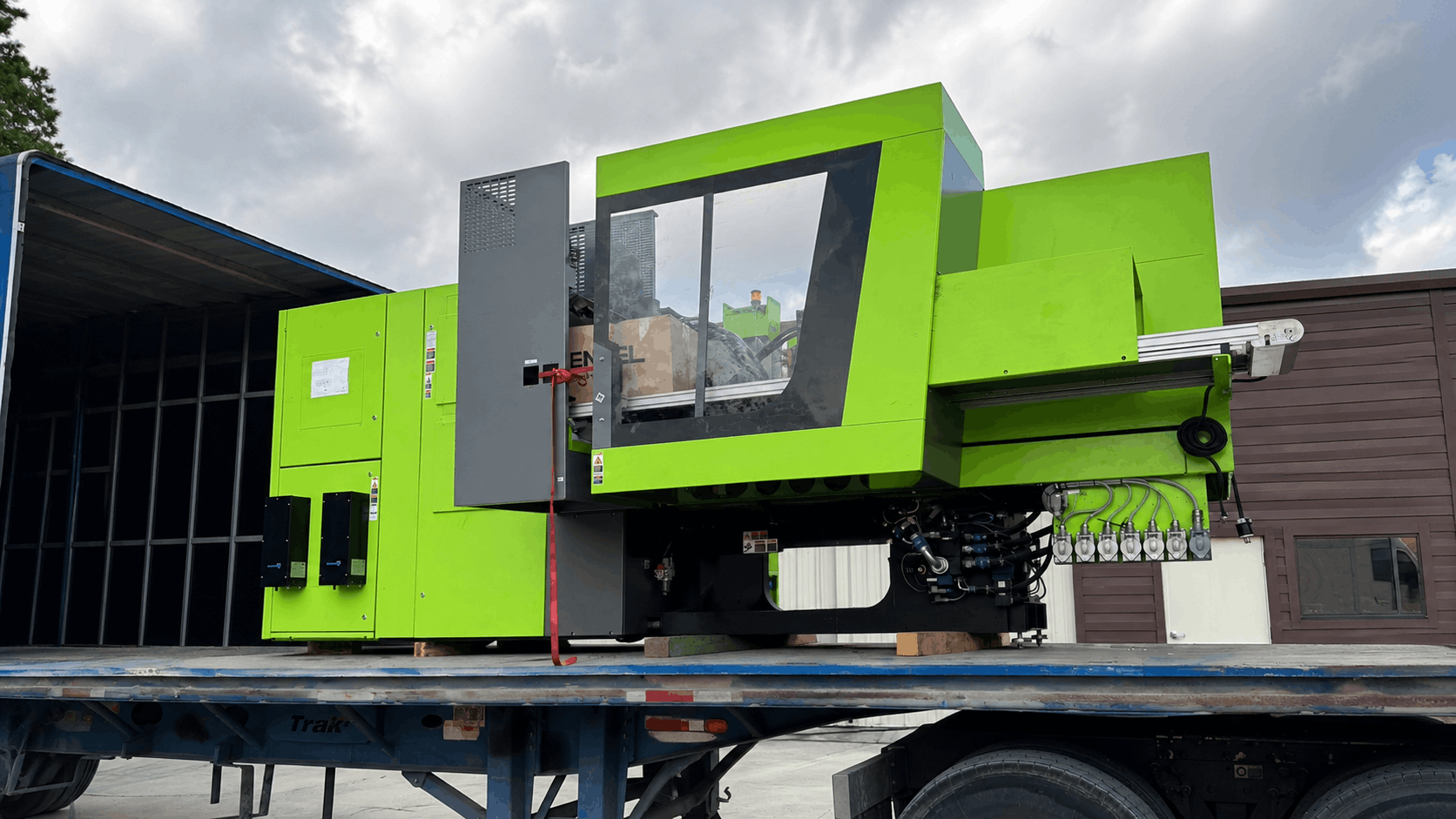
Injection molding is a very fast and efficient manufacturing method. It takes plastic pellets, melts them, and injects them into a cavity of a mold. After cooling down, the part is pushed out of the mold, and the process is repeate,d which takes only a few seconds most of the time.
It is the best choice for:
- Big-scale production
- Strict tolerance
- High-quality end-use components
- Consider part quality
Places like Houston, where industrial, energy, appliance, and automotive manufacturers need dependable and large-scale production, injection molding is still considered the best process.
What is 3D printing?
3D printing (additive manufacturing) is a process that produces a part layer by layer from resin, filament, or powder. It is amazing for:
- Fast prototypes
- Product concepts at the early stage
- Parts that are of low volume, custom, or highly detailed
3D printing is a common practice among companies in The Woodlands and Houston to check design changes before going for large-scale tooling.
Injection Molding vs. 3D Printing: A detailed comparison:
1. Cost Comparison:
Injection Molding:
- Costs are upfront big (tooling)
- Really low cost per unit after starting the production
- The most suited process for medium volume and high-volume manufacturing
Example:
The price of a mold can be anywhere from $6,000 to $25,000, depending on how complex, what materials are used, and the part size. But the price of each part after tooling can be reduced to between $0.50 and $3.00.
3D Printing:
- Almost no initial costs are involved
- Higher cost per individual item
- A cost rise is very steep when the production exceeds a few hundred units
Example:
Depending on the size of material and type of material used, the 3d printed part has an estimated price from 10$ to 60$.
Winner in terms of cost:
- 3D printing for prototyping and design
- Injection molding for production in large volumes and lower unit cost
2. Speed & Lead Time:
Injection Molding:
- Tooling: 2–6 weeks
- Production: seconds per cycle
- Ideal for thousands to millions of parts
3D Printing:
- No tooling required
- Part production can take hours
- Best for small batches or quick iterations
Winner in speed:
- initial parts made by 3D printing
- mass production by injection molding
3. Scalability:
Injection molding is the only option for the business if it needs at least 10 thousand units.
The method brings:
- Precision repeatability
- Quick production cycles
- Uniform aesthetic quality
- Material variety
3D printing, conversely, though it has the upper hand of flexibility, cannot match injection molding in the matter of production upsizing.
Hence, the scalability winner is injection molding
4. Material Choices and Properties:
Injection Molding:
The widest selection of production-quality materials:
- ABS
- PC
- Nylon
- PP
- HDPE
- TPE
- Glass-filled materials
All these are very strong and reliable, and also in compliance with the performance standard of the industry.
3D Printing:
Has advanced greatl,y but still does not come close to the variety of synthetic materials that are available in traditional methods:
- PLA, PETG, ABS
- Nylon (SLS)
- Resin (SLA)
Many 3D printed materials are not applicable for high-temperature, stress, or outdoor conditions as they are not strong enough.
Hence, the material winner is also injection molding.
5. Detail, Tolerances & Finish:
Injection Molding:
- Tight tolerances
- Smooth, even finish
- No layer lines visible
- Supports complex geometries and thin walls
3D Printing:
- Visible layers (FDM)
- Good detail with resin printing (SLA), but still not as durable
- Often requires sanding, polishing, or post-processing
Again winner by overall surface quality is injection molding.
A Real Life Example:
Choosing the right manufacturing method is not much different from finding a real professional. For example, a parent searching for the best pediatrician near me wants reliability, proven expertise, and long-term support.
Similarly, companies selecting between injection molding and 3D printing need a partner who understands cost, materials, volume, and performance, not just someone offering the cheapest option.
When Should You Choose Injection Molding?
Injection molding is your best choice if you need:
- High-volume production
- A long-term manufacturing partner
- Strong, stable materials
- Tight tolerances
- Perfect cosmetic appearance
- Cost-effective mass production
This is why most companies in Houston, The Woodlands, and Texas rely on injection molding for appliances, energy components, consumer goods, automotive parts, electronics, and industrial equipment.
Why Should You Choose 3D Printing?
You should use 3D printing if your requirements are:
- Rapid prototypes
- Concept models
- Small batches
- Early-stage design validation
- Complex shapes not mold-friendly
3D printing is an amazing tool, but not a scalable manufacturing solution.
Which One Is Right for Production?
In almost every real-world scenario, injection molding wins for production.
3D printing works as a powerful complement, not a replacement.
The ideal workflow:
- 3D print the early prototypes
- Optimize design for manufacturability (DFM)
- Move to injection molding for large-scale production
This hybrid approach gives the fastest development cycle and the strongest ROI.
Why Choose Haumann Group (Houston & The Woodlands, Texas)?
U.S. buyers expect clear communication, technical expertise, and on-time delivery. We understand that.
Here’s what makes us different:
Local U.S. Support (Houston / The Woodlands):
Real engineers. Real communication. Real results.
Full Manufacturing Services:
- Tooling
- DFM
- Prototyping
- Low-volume injection molding
- High-volume production
- Assembly & QC
Zero-Defect Commitment:
We use U.S.-grade inspection standards and advanced QC methods.
Fast Lead Times:
Because we operate with U.S. market expectations, production moves efficiently and reliably.
Custom Support for Every Industry:
Electronics, consumer goods, energy, appliances, automotive, aerospace, and more.
Frequently Asked Question(FAQs):
1. Is 3D printing cheaper than injection molding?
Yes, for prototypes. But injection molding is far cheaper for higher quantities.
2. How do I know when to switch from 3D printing to injection molding?
Most companies switch when they need more than 100–300 units.
3. Which procedure provides better part strength?
You should choose injection molding as in this process, materials are denser, stronger, and better for long-term use.
4. Can Haumann Group handle both prototyping and production?
Yes. We offer 3D printing, CNC machining, tooling, and full injection molding.
5. Do you serve Houston and The Woodlands?
Yes, we do provide our services in Houston and the Woodlands, manufacturing process and support customers across Texas and the U.S.
Conclusion:
Injection molding and 3D printing each play an important role, but the right choice depends on your goals. For scalability, durability, and cost-efficient production, injection molding remains the superior manufacturing method.
If you’re in Houston, The Woodlands, or anywhere in the U.S., Haumann Group can guide you through prototyping, tooling, and full-scale injection molding with reliable communication and U.S.-focused support.
Ready to Start?
Visit haumann-group to request a quote or speak with our engineering team.
Looking for more insights? Explore our other blogs covering injection molding, tooling, assemblies, and high-volume production.
Serving Houston, The Woodlands, and nationwide U.S. brands
- Contact us today
- Request a quote