
Injection Mold Tooling & Manufacturing
Injection mold tooling for OEM programs: DFM-led design, precision builds and tool validation. US engineering, Asia production.
Injection Mold Tooling Capabilities
Injection mold tooling built for repeatable output, from first shot to full production. Haumann engineers, builds and validates molds for OEM programs in automotive, industrial and consumer markets.
Engineering leadership in Houston manages DFM and tool design. Mold fabrication runs in Asia, with validation before release. One accountable team carries your program from prototype tooling to high-volume injection molding.
Core Tooling Capabilities:
- Precision mold engineering: DFM-led cavity, core and cooling design
- Multi-cavity tooling: balanced runners for high-volume output
- Rapid tooling: aluminum / soft tooling for pilot runs
- Tight-tolerance machining: CNC and EDM to ±0.0X mm
- Production-grade steels: P20, H13, S136 for long tool life
- US engineering + China fabrication scale
DFM Engineering for Injection Mold Tooling
Design for Manufacturing (DFM) is an engineering review of your part geometry, resin and mold layout before any steel is cut. It exposes molding risks while changes are still cheap, so the injection mold tooling you approve is already optimized for performance, cost efficiency and production scalability.
The result is fewer tool revisions, shorter cycle times and stable dimensions from first shot to full production.
Send your CAD file and target resin. Our engineers review manufacturability before you commit to tooling.
- Wall thickness and draft
- Uniform walls and correct draft angles prevent sink, warpage and ejection drag.
- Undercuts and actions
- Lifters, sliders or a redesign are decided up front, before they add tool cost.
- Gate and runner layout
- Gate location and flow balance control fill, weld lines and part strength.
- Mold flow analysis
- Fill, pack and warpage simulation validates gating and cooling before machining.
- Cooling and cycle time
- Cooling channel layout stabilizes dimensions and shortens the molding cycle.
- Tolerance and resin fit
- Tolerance stack-up and shrinkage are matched to the resin and the part’s function.
Rapid Tooling for Injection Molds: Aluminum, Steel and Bridge Tooling
Rapid tooling for injection molding puts production-intent molds in your hands faster. OEM teams mold parts in production-grade materials to validate designs under real manufacturing conditions, then move to full production tooling with fewer surprises.
Which tooling route fits your program?
| Tooling route | Best for | Mold material | Role in your program |
|---|---|---|---|
| Aluminum injection mold | Design validation, functional testing and prototype runs | Aluminum | Fastest route to parts in production resin, and easy to modify as the design evolves |
| Steel rapid mold | Longer pilot production and repeat runs | Steel | More durability than aluminum while keeping lead time short |
| Bridge tooling | Market launch while production molds are being built | Aluminum or steel | Protects your launch date and lets tool qualification run in parallel |
| Production tooling | Sustained volume and multi-cavity output | Production-grade steel | Long tool life and repeatability for high-volume injection molding |
Quick answers on rapid tooling and DFM
What is the difference between rapid tooling and production tooling?
Rapid tooling uses aluminum or steel molds built for speed. It validates a design and covers pilot or bridge volumes. Production tooling uses production-grade steel, often multi-cavity, and is built for long tool life and sustained output. Rapid tooling lowers launch risk, while production tooling lowers cost per part at volume.
When should I use bridge tooling?
Use bridge tooling when your launch date cannot wait for full production molds. A bridge mold produces saleable parts while the production tool is built and validated, so launch and tool qualification run in parallel.
What do I need to send for a DFM review?
Send a 3D CAD file (STEP preferred), a 2D drawing that marks critical tolerances, the target resin, expected annual volume and any cosmetic requirements. Submit them through the quote form and our engineers review manufacturability before you commit to tooling.
Start with a free DFM engineering review
Share your CAD files and target resin. We review manufacturability and recommend the right tooling route for your program.
Injection Mold Manufacturing for Scalable Production
Haumann is an injection mold manufacturer for OEM programs. We design, machine and validate production-ready molds, from prototype tooling to full production. Engineering is led from Houston, USA, with CNC precision machining and mold fabrication scaled across Asia.
One integrated team covers mold design, rapid tooling and production-grade fabrication. The result is lower tooling risk, better cycle efficiency and a faster move from engineering development to full-scale manufacturing.
Why OEM Teams Choose Haumann for Injection Mold Tooling
- Precision mold engineering: DFM-led tool design built for dimensional accuracy and repeatable output.
- Rapid tooling to production: Aluminum, steel and multi-cavity molds that carry a program from validation to volume.
- Tool durability: Production-grade materials and process control protect tight tolerances and consistent part quality over long runs.
- Full-service tooling support: Engineering, fabrication, validation and lifecycle support under one accountable team.
End-to-End Tooling & Mold Fabrication Capabilities
Injection Mold Tooling Built for Production Stability
- Engineering-led design: DFM and mold flow analysis reduce tooling risk before machining.
- Cavity and core machining: CNC precision machining for tight-tolerance mold details.
- Cooling and cycle time: Optimized cooling channels shorten cycles and stabilize parts.
- Mold trials and validation: Structured first-shot trials confirm the tool before release.
- US engineering, Asia production: Houston-led engineering with scalable fabrication capacity.
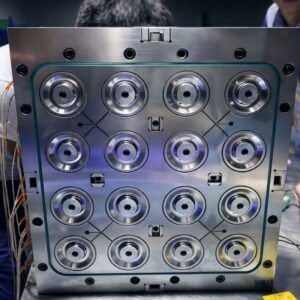
Multi-Cavity Mold Tool:
✔️High-precision mold tool
✔️Built for mass production
✔️Consistent part quality
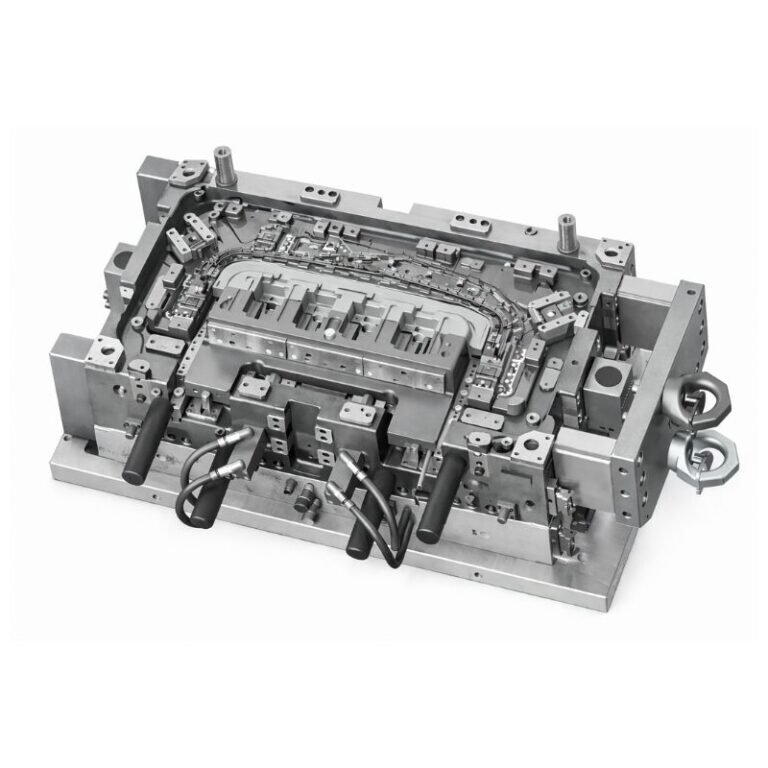
Injection Mold Assembly:
✔️Precision mold assembly
✔️Tight tolerance control
✔️Reliable production output
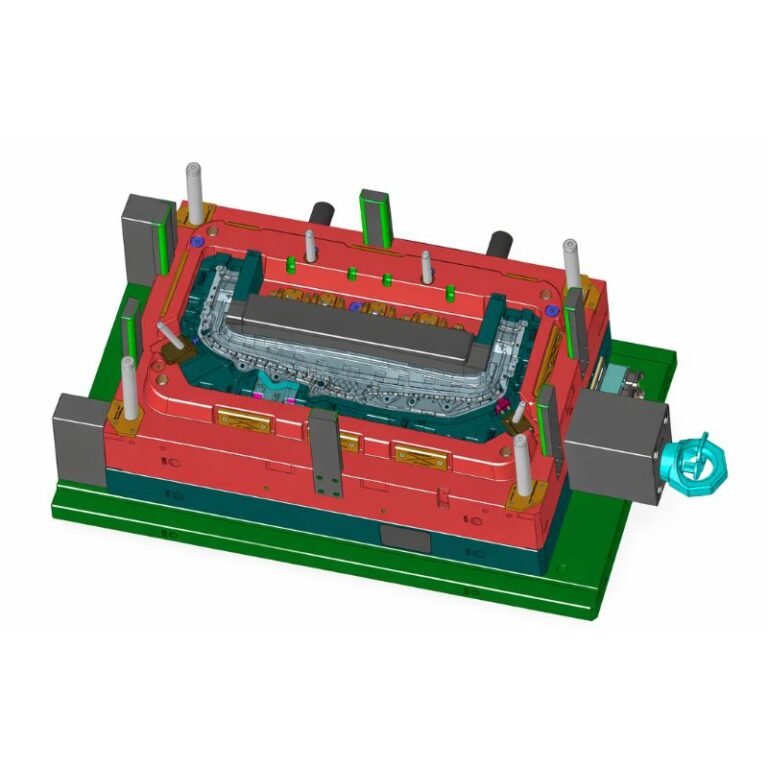
Mold Engineering Design:
✔️Optimized mold design
✔️Improves molding efficiency
✔️Accurate part production
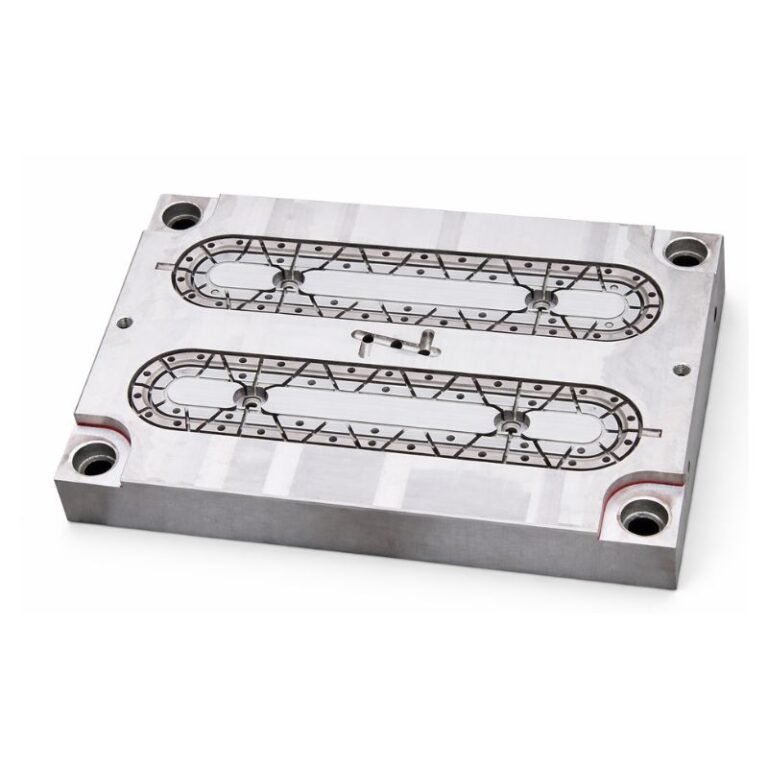
Prototype Mold Tool:
✔️Rapid prototype tooling
✔️Supports pilot production
✔️Faster product validation
Injection Mold Fabrication, Validation & Production Integration
HAUMANN connects precision mold fabrication with first-shot validation and production handover. Each phase is designed to identify tooling issues, confirm part requirements, and prepare custom injection molds for repeatable manufacturing.
Mold Fabrication & Build Control
Tool components are machined, fitted, and assembled to match the agreed mold design, material requirements, and planned production volume.
- Tool steel selection: Matched to resin, wear, and expected tool life.
- Precision CNC & EDM: Cavity, core, and detailed mold features.
- Mold assembly checks: Fit, alignment, and mechanical function.
- Cooling channel execution: Built to support thermal control and cycle consistency.
Mold Validation & First-Shot Trials
First-shot trials provide practical evidence of mold function and molded-part quality before production release decisions are made.
- First-shot evaluation: Review fill behavior, visible defects, and part quality.
- Dimensional inspection: Check critical features against project tolerances.
- Process window review: Assess cooling, cycle time, and molding stability.
- Tooling refinements: Resolve trial findings before final acceptance.
Tooling Integration with Production
Coordination between U.S. engineering and Asia-based manufacturing supports the transition from approved tooling to injection molding operations.
- Engineering handover: Transfer approved tool and part requirements.
- Production feedback: Connect trial results with molding setup decisions.
- Change coordination: Track necessary tool adjustments across teams.
- Scale-up support: Align mold readiness with planned production demand.
How Our Injection Mold Tooling Process Works
A defined engineering-to-production sequence keeps project requirements, tooling decisions, mold trials, and release criteria aligned.
- 01
Review Requirements
Confirm CAD files, resin specifications, part volumes, and acceptance criteria.
- 02
Align Tool Design
Review manufacturability, mold configuration, and the fabrication plan.
- 03
Fabricate & Assemble
Machine components, assemble the mold, and verify mechanical fit.
- 04
Trial & Validate
Inspect first-shot samples and evaluate molding process conditions.
- 05
Release to Production
Address findings and coordinate approved tooling for production use.
Why OEM Partners Choose HAUMANN for Mold Tooling
OEM procurement and engineering teams need more than a mold quotation. They need clear technical requirements, visible validation steps, and coordination through production handover.
Engineering-Led Decisions
Tooling choices are connected to part geometry, material selection, and manufacturing requirements.
Defined Build Controls
Machining, fitting, assembly, and functional checks support consistent tool construction.
Trial-Based Validation
First-shot observations and dimensional checks inform adjustments before production release.
Coordinated Manufacturing
U.S. engineering and Asia-based manufacturing resources support tooling-to-production alignment.
Reduce Tooling Risk Before Cutting Steel
Request a free DFM review for your injection mold tooling project. Share your part design and production requirements so our team can discuss manufacturability, tooling options, and next steps.
Helpful details: STEP or IGES file, target resin, annual volume, critical tolerances, and project timeline.