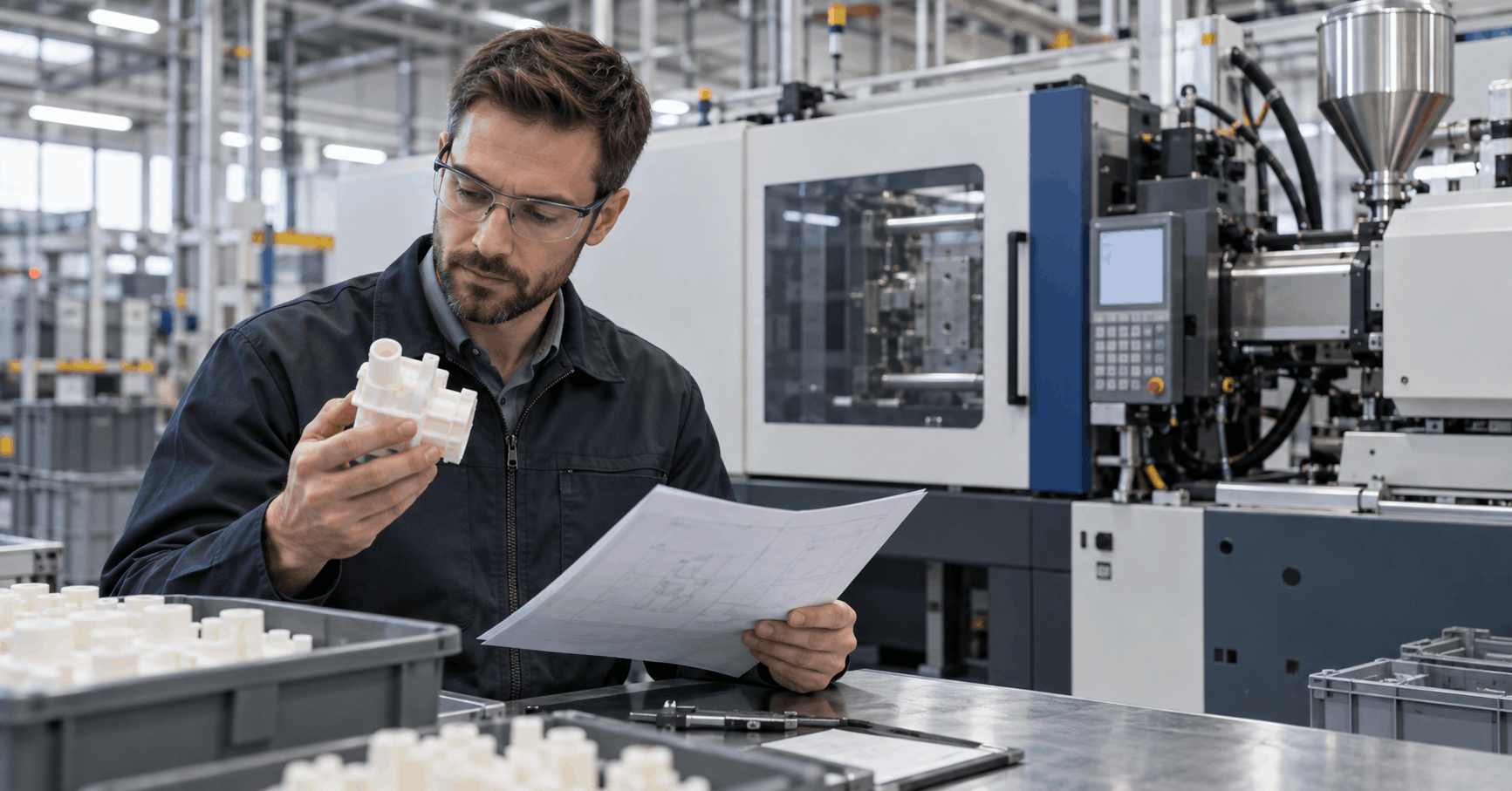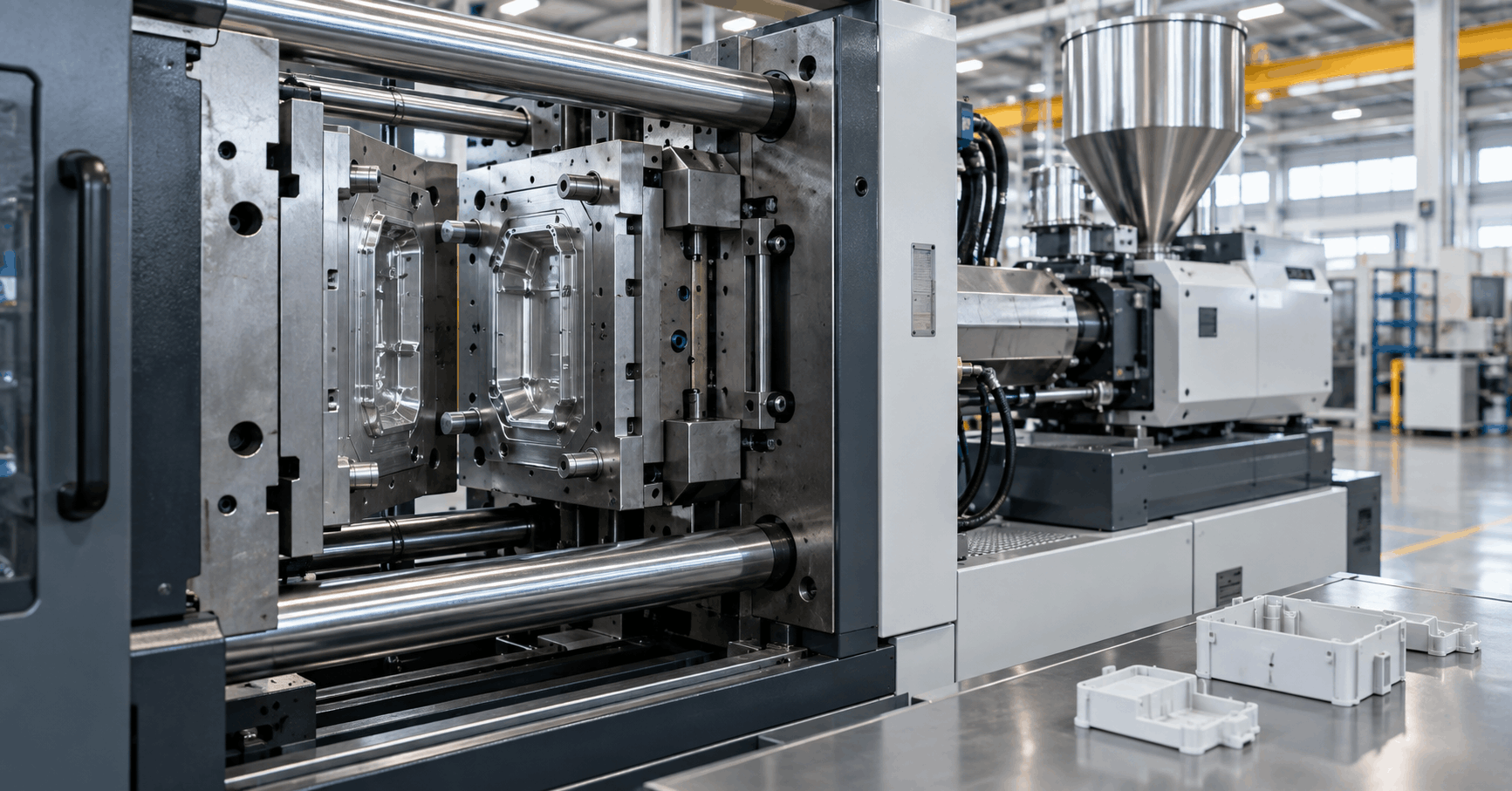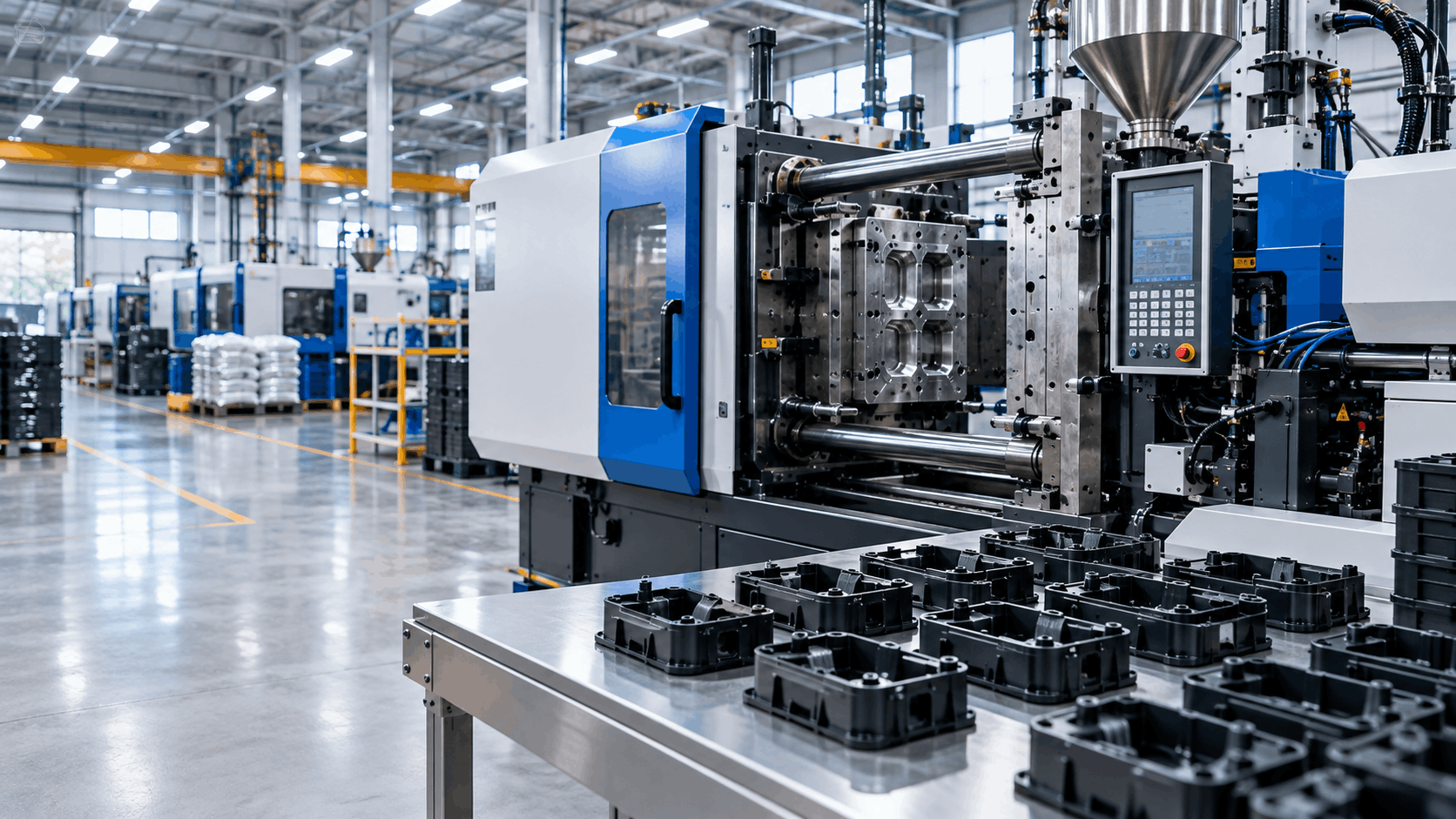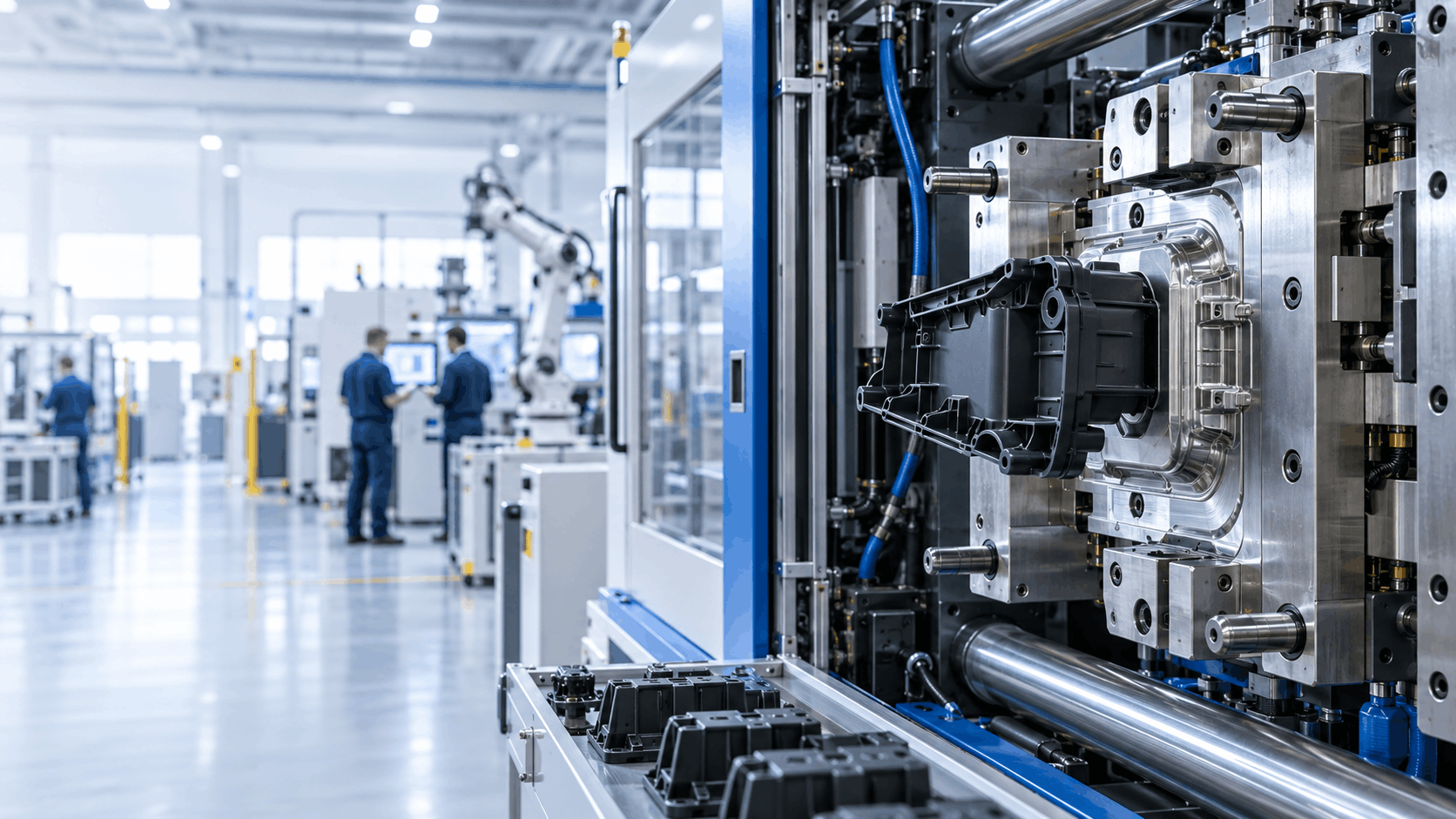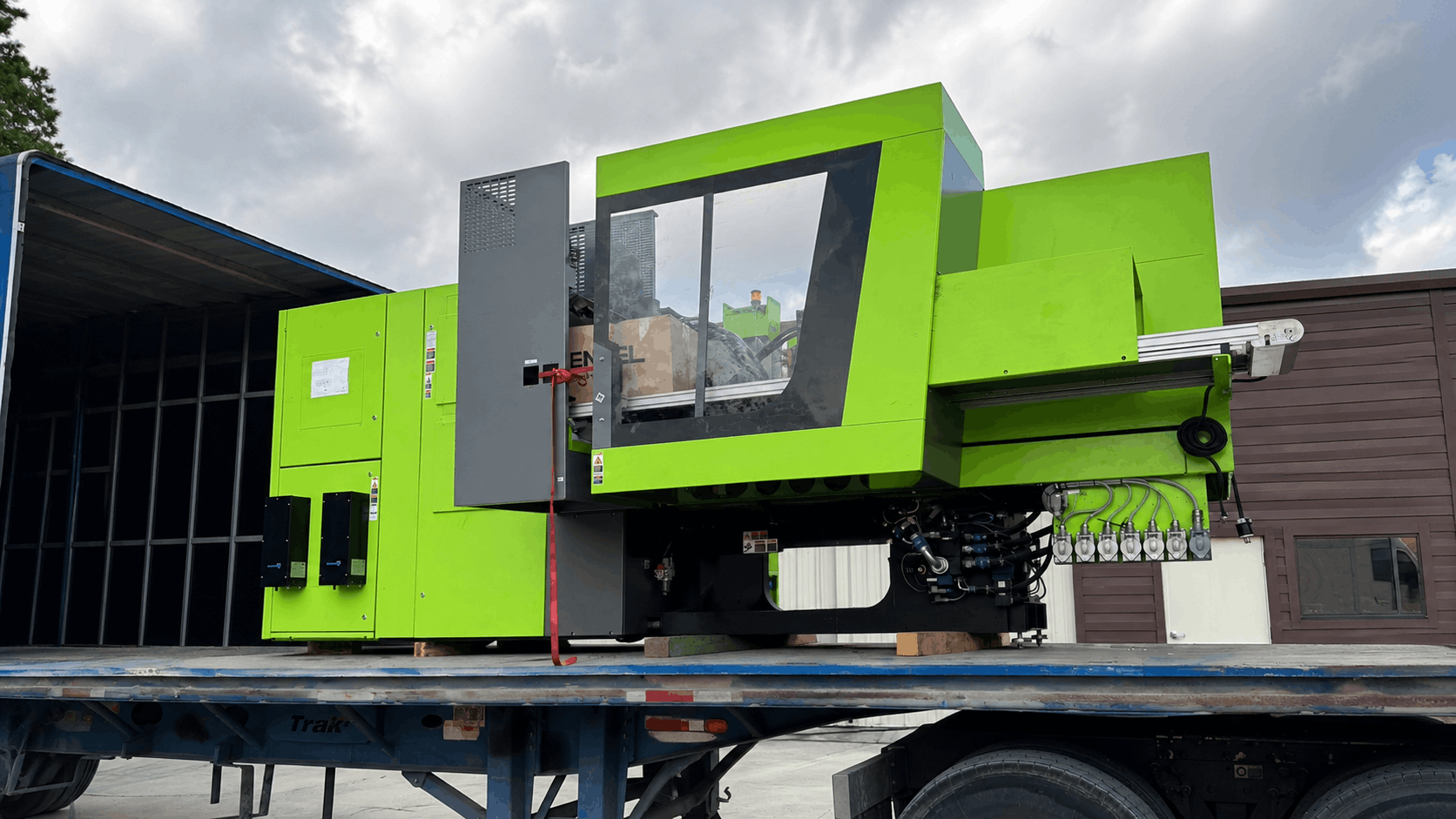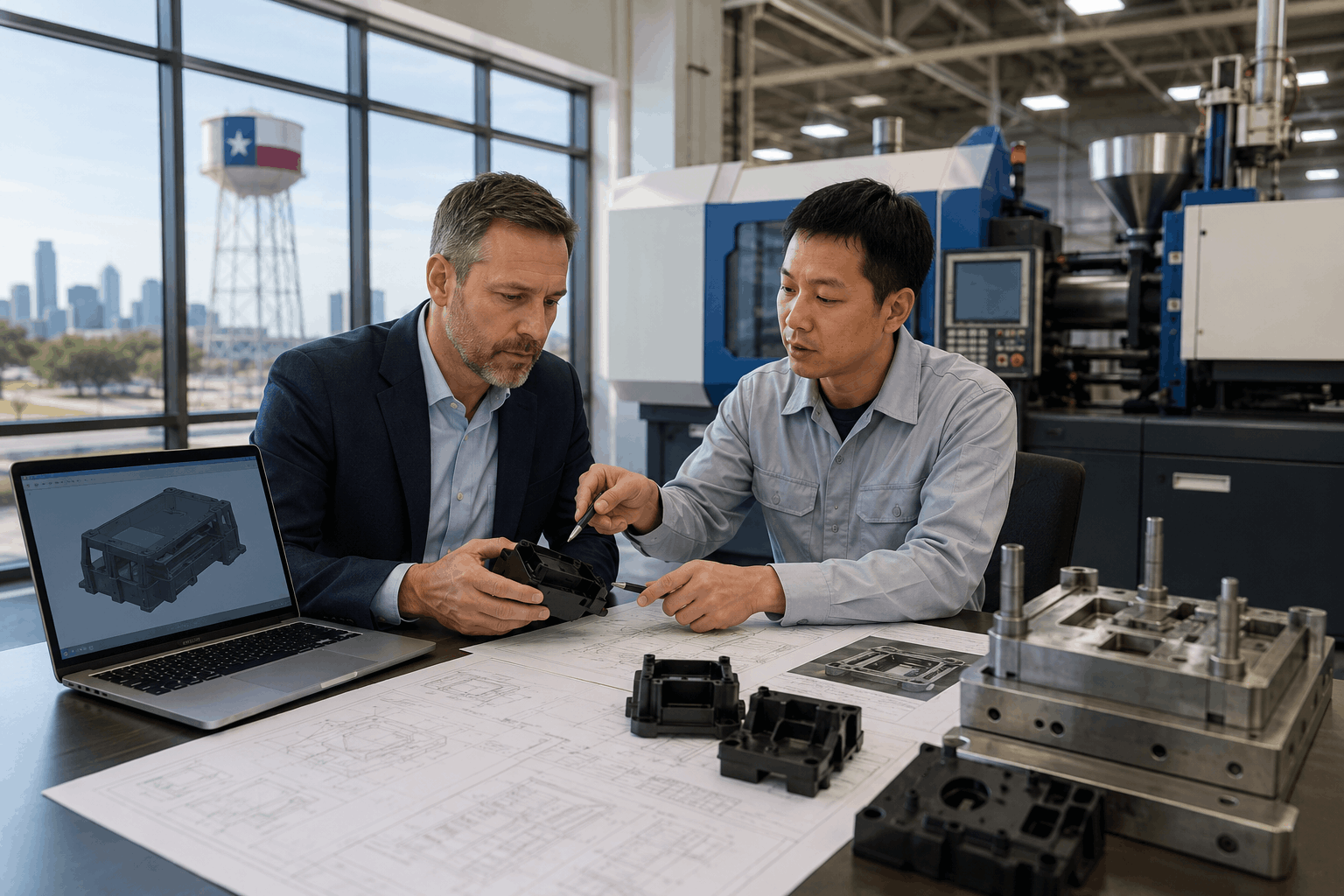
A product team can be almost ready to launch. The part design is approved. The market is waiting. Everyone feels close. Then one small tooling question slows everything down. That is usually when the phrase “custom plastic injection molding near me” starts to mean more than a simple Google search. Companies are not always looking for the closest factory down the road. They are looking for someone who can answer fast, explain clearly, and keep the project moving when the details get messy. Manufacturing does not really work in a local-versus-global box anymore. Not like it used to. Many OEMs now use a hybrid manufacturing model that blends the cost advantages of global production with the comfort and speed of local engineering support. That balance matters a lot in custom plastic injection molding. Businesses still want competitive pricing. Of course they do. They also want scalable production, dependable quality control, and a support team that does not disappear once the purchase order is signed. For many manufacturers, the stronger choice is not only a domestic supplier or an overseas factory. It is a company with large-scale production capability in China and a U.S.-based engineering and customer support team, often close enough to feel local.
A Houston engineering team working with experienced manufacturing operations in China can give OEMs a practical middle ground—faster communication. Better visibility. Lower production risk. And, when something changes at 3:30 on a Tuesday afternoon, there is someone nearby who understands the project. Modern OEM manufacturers are under pressure from every direction. Costs need to come down, quality needs to stay high, and delivery timelines keep getting tighter. In automotive, industrial equipment, consumer electronics, medical devices, and commercial product manufacturing, a delay is not just a delay. It can affect revenue, customer trust, and market momentum. So businesses have become more careful about who they choose. They want more than a low quote. They want transparency, engineering guidance, organized project management, and long-term support. That is exactly why local engineering coordination still matters, even in a global manufacturing model.
Understanding the Hybrid Manufacturing Model
Global manufacturing has changed. Years ago, overseas production often came with a certain amount of uncertainty. Time zone delays. Slow email chains. Limited visibility. Sometimes customers felt like their project went into a black box and came out weeks later, hopefully right. Today, better manufacturers are solving that problem with a hybrid structure. In this model, factory operations may be based in China, where companies can access advanced tooling capabilities, experienced production teams, efficient supply chains, and cost-effective high-volume manufacturing. At the same time, a local Houston engineering office acts as the bridge between the customer and the production facility.
It sounds simple. But it changes the whole experience. The China manufacturing facility supports the heavy lifting: mold building, tooling work, scalable production, supply chain coordination, and flexible manufacturing capacity. The Houston branch keeps the customer side clear and responsive. That includes engineering communication, DFM reviews, project updates, faster answers, and practical coordination when decisions need to be made.
For many OEMs and product developers, this is the best of both worlds. The hybrid approach also helps when a company is still figuring out demand. A product can begin with prototyping or lower-volume production, then move into larger production runs later without rebuilding the whole manufacturing plan from scratch. That kind of flexibility is useful. Sometimes it is the difference between scaling smoothly and starting over.
There are also moments when projects run into surprises. Material availability changes. A tolerance needs to be adjusted. A mold needs a small modification. A schedule shift. With local engineering support and global production working together, those issues are easier to manage before they turn into expensive delays. For businesses competing in crowded markets, that flexibility can become a real advantage.
Why “Near Me” Still Matters in Plastic Injection Molding
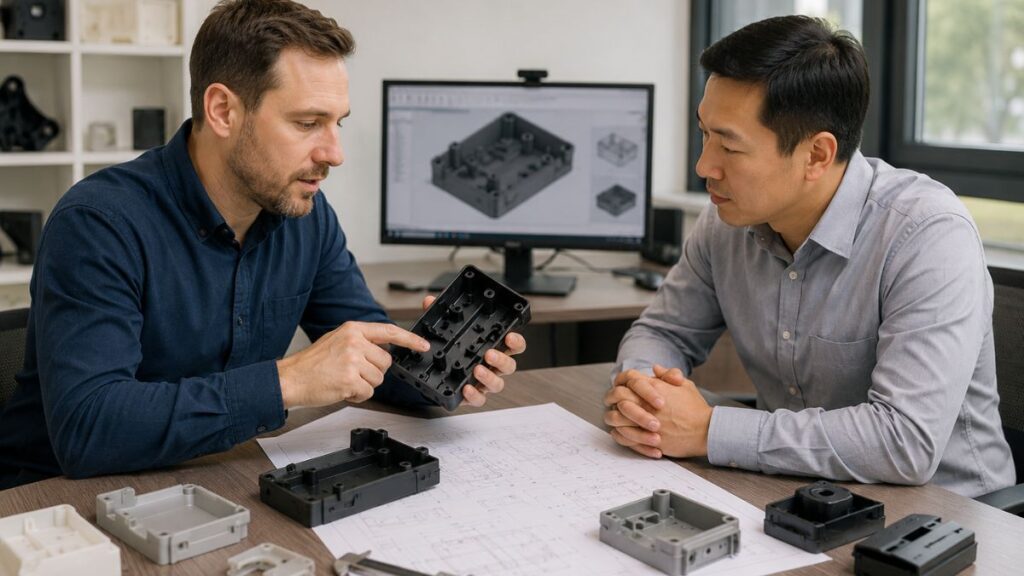
Location still matters. Even with video calls, shared files, cloud folders, and instant messages, manufacturing is still a human process. People need to talk through technical questions. They need to review drawings. They need to decide what happens next when a design, mold, or production schedule changes. When companies search for “custom plastic injection molding near me,” they are often looking for something bigger than distance. They want accessibility. Accountability. A team that feels reachable. Custom plastic parts can become technical very quickly. Material selection, wall thickness, draft angles, tooling changes, inspection requirements, and production timelines all connect. One misunderstanding can lead to a small delay. A few small delays, they can turn into a real problem. A local engineering support team helps reduce that friction.
Instead of waiting through long overseas communication cycles, customers can work directly with a Houston-based team during normal U.S. business hours. Questions get answered faster. Meetings are easier to schedule. Design revisions move with less drag. That local presence also builds trust. For first-time OEM manufacturers, especially, it can feel risky to send a custom project into a global production system. Having a U.S.-based engineering office nearby gives them a clearer point of contact. Someone who understands local business expectations, production standards, and the pressure customers are under. That is why many companies searching for custom plastic injection molding in Houston are not only looking for a mold maker. They are looking for engineering guidance, production support, and someone who can stay with the project from the first drawing to the final shipment.
Faster Communication Creates Better Results
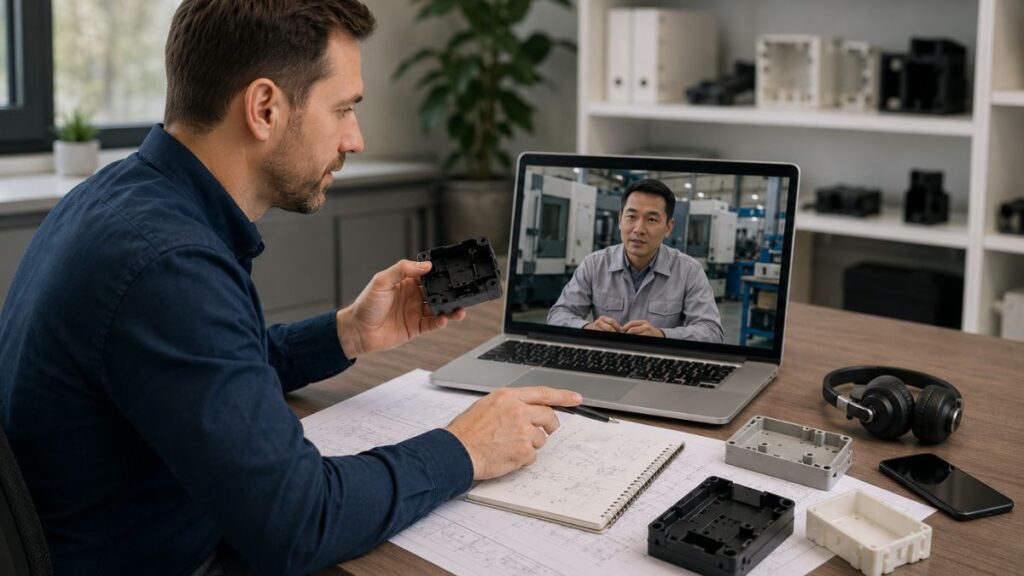
Communication speed may sound ordinary, but in injection molding, it matters a lot. A single answer can affect tooling timelines, production schedules, and shipping dates. A delayed clarification about resin selection or part geometry can hold up the next step. Then another step. Then the launch date starts feeling uncomfortable. A Houston engineering office helps fix that gap for U.S.-based clients. Instead of waiting overnight for every response from an overseas production team, customers can speak with local project managers and engineers during the workday. The local team can then coordinate with the China facility and keep the project moving.
Faster communication helps with design approvals, quotation revisions, tooling questions, engineering discussions, and production visibility. It also helps people breathe a little. When updates come in clearly and on time, customers feel less like they are chasing answers. For OEM manufacturers, speed is not just convenient. Product launches often depend on it. Inventory planning, customer commitments, sales timelines, and market opportunities can all be affected by manufacturing delays. Local support does not remove every problem. No supplier can do that. But it does reduce the slow back-and-forth that causes many preventable delays. And during critical stages like tooling approval, prototype evaluation, first article inspection, or mass production launch, fast feedback can protect the entire supply chain.
Easier Project Management from Start to Finish
Injection molding projects have a lot of moving parts. Engineers, mold designers, tooling specialists, inspectors, procurement teams, and logistics coordinators all touch the project at different moments. Without strong project management, it gets confusing fast. A Houston-based engineering and support team gives customers one organized point of coordination between their team and the China manufacturing facility. Instead of trying to manage multiple overseas contacts, customers work through a structure that keeps the project aligned.
That helps with timeline management, production scheduling, design updates, tooling progress, shipping communication, and the small details that are easy to miss. Project management is not only about keeping things neat. It is about preventing costly mistakes before they happen. When engineering teams stay close to both the customer and the factory, problems are easier to spot early. A dimensional issue. A design concern. A change in timing. It gets handled sooner.
That kind of oversight is especially important for custom OEM projects with strict specifications and tight tolerances. Customers also get more visibility. They know where the project stands, what decisions are needed, and what happens next. Less guessing. Less stress. Better decisions. For procurement managers, engineers, and business owners, that structure can make a complicated manufacturing project feel much more manageable.
Better DFM Reviews Improve Manufacturing Efficiency
Design for Manufacturing, or DFM, is one of the most important parts of a custom plastic injection molding project. It is also one of the easiest steps to underestimate. A strong DFM review looks at the part before tooling begins. It checks whether the design is practical to mold, whether the part can be produced consistently, and where the design might create quality or cost issues later. This is where local engineering support becomes valuable.
A Houston engineering team can work closely with customers during early product development. They can review part geometry, wall thickness, draft angles, material selection, tolerances, gate locations, and tooling feasibility. Sometimes the fix is small. A wall thickness change. A sharper corner softened. A draft angle adjusted just enough. But small changes early can prevent much bigger problems later. DFM reviews can help identify potential molding defects, weak structural areas, high-cost design features, material performance concerns, and production inefficiencies. Making those adjustments before tooling is almost always easier and less expensive than trying to repair the problem after the mold is built.
Once the DFM review is complete, the Houston team can coordinate directly with the China production facility to make sure the tooling strategy matches the approved design. That reduces miscommunication and improves consistency. A good DFM process can also improve long-term product performance. Better durability. Less material waste. Smoother assembly. More repeatable production. It all adds up. For OEMs producing large quantities of plastic components, even a small efficiency improvement can become a meaningful cost saving over time.
Faster Troubleshooting Reduces Downtime
Every manufacturing project hits a rough spot at some point. The real question is how quickly the team responds. A tooling issue might show up during sampling. A production concern might appear during a run. A shipment schedule might need to shift. None of this is unusual. Manufacturing is precise, but it is not magic. With local engineering support, troubleshooting becomes faster and more organized. Customers can reach the Houston team first, explain the concern, and get a clear path forward. The local team can then coordinate with factory engineers and production managers in China to resolve the issue. That helps reduce production downtime, shipping delays, quality inconsistencies, engineering confusion, and tooling adjustment delays.
Fast troubleshooting is especially important for industries that operate on strict schedules, including automotive, industrial equipment, electronics, medical components, and consumer products. In those industries, delays can get expensive quickly. One unresolved tooling problem can disrupt inventory planning, delay shipments, and create problems for downstream customers. Local coordination speeds up decision-making. It cuts through the long chain of messages. And when a customer needs a real answer, not just a polite update, that matters.
Local Quality Control Support Matters
They want to know their parts meet exact specifications before anything leaves the factory. They want documentation. They want the inspection requirements followed. They want confidence, not surprises. A local engineering support office adds another layer of quality oversight. Houston-based teams can help define quality expectations, review inspection requirements, communicate production standards, and ensure the factory team understands customer expectations. This creates more transparency throughout the project lifecycle. Customers can more easily discuss inspection procedures, review quality documentation, coordinate product testing, approve production samples, and request process updates when needed.
For many OEM clients, having a U.S.-based point of contact provides extra reassurance during large-scale production programs. Quality consistency becomes even more important when plastic components are used in demanding applications. A small inconsistency may look harmless at first, but it can create bigger operational problems later. Strong quality communication helps reduce those risks. It also gives customers a clearer view of what is happening before finished parts arrive at their door.
Easier Production Planning and Scalability
Production needs do not always stay in one lane.
A company may start with a pilot run while testing the market. Then demand grows. Suddenly, the same product needs higher-volume manufacturing, faster delivery, and a more stable supply plan. A hybrid manufacturing model supports both situations. The China production facility can handle large-volume manufacturing, multi-cavity tooling, long production runs, complex assembly, and cost-efficient scaling. The Houston support team helps customers plan schedules, forecast demand, manage revisions, and align production capacity with what the market needs.
That combination gives businesses more control. They can plan inventory better. They can prepare product launches with more confidence. They can grow without constantly changing suppliers or rebuilding their manufacturing process. Scalability is a major factor in modern OEM manufacturing. Businesses want partners who can support future growth without losing quality, speed, or communication. A system that combines local engineering coordination with global production capacity helps companies respond to changing demand, seasonal spikes, and new product opportunities. It gives them room to move. And in manufacturing, room to move is valuable.
When Global Manufacturing Still Makes Sense
Local support matters, but global manufacturing still has clear advantages. China remains a major force in plastic injection molding because of its manufacturing infrastructure, tooling expertise, production efficiency, and supply chain depth. For many OEM projects, overseas production can provide lower production costs, faster tooling development, advanced manufacturing technologies, high-volume scalability, and stronger supply chain integration.
Complex products with large production runs often benefit from that global manufacturing strength. But overseas production alone is not always enough anymore. Many businesses choose global manufacturing for cost reasons first. Then, once a project gets moving, they realize communication quality, engineering support, and project visibility are just as important as the price per part.
That is why hybrid manufacturing models continue to grow in value. They combine the efficiency of global production with the accessibility of local support. It is not about choosing one side. It is about building a manufacturing system that actually works for the customer.
Why Houston Adds Strategic Value
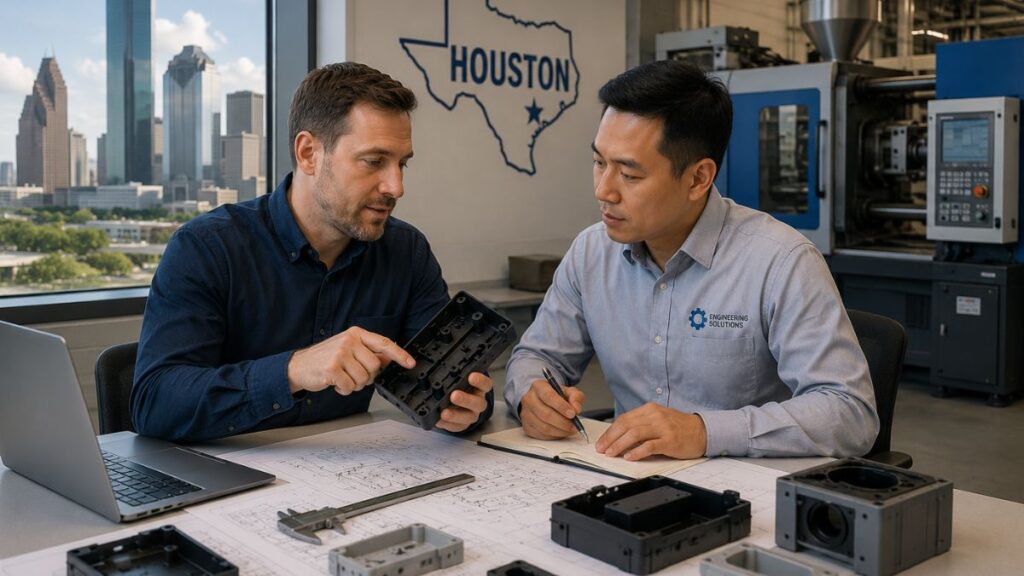
Houston brings its own advantage to this model. The region is one of the strongest industrial and engineering hubs in the United States, supporting industries like energy, industrial equipment, medical manufacturing, transportation, consumer products, and electronics. A Houston engineering presence gives American OEMs easier access to technical support, faster communication, stronger collaboration, and better regional responsiveness.
For companies searching for dependable “custom plastic injection molding near me,” a Houston support office creates a sense of accessibility while still connecting customers to a global manufacturing network. Houston also offers practical logistics advantages. Its industrial infrastructure, transportation access, and business environment make it a strong location for engineering coordination and customer support. Companies looking for custom plastic injection molding in Houston can benefit from local engineering coordination, scalable OEM manufacturing support, tooling management, assembly solutions, and faster communication throughout the production process.
That local connection makes the global model feel less distant. More controlled. More human. Learn more about Houston injection molding services.
Choosing the Right Injection Molding Partner
Not every injection molding supplier operates the same way. Some suppliers focus mainly on production volume. Others focus more on engineering collaboration, planning, and long-term customer support. The best manufacturing partners usually understand that successful projects need both.
Machines matter. Tooling matters. Price matters too. But communication, project management, technical feedback, and problem-solving support often decide how smooth the project really feels. When evaluating a custom plastic injection molding company, businesses should look closely at engineering support capabilities, DFM expertise, communication responsiveness, quality control systems, tooling coordination, production scalability, and project management structure.
A supplier with both global manufacturing capabilities and local engineering support can often provide a stronger experience from start to finish. Fast response times, clear engineering feedback, organized updates, and transparent planning are signs of a reliable manufacturing partner. Price is important. But price alone does not build a dependable manufacturing relationship. Consistency does. So does trust. And trust usually comes from knowing that when something changes, someone is paying attention.
Conclusion
The manufacturing industry keeps changing, but one thing has not changed much: strong engineering support still matters. Even as global manufacturing becomes more advanced, companies still need fast communication, reliable project management, responsive troubleshooting, and local coordination they can trust.
That is why the hybrid manufacturing model has become so valuable for OEMs and product developers. By combining large-scale production capabilities in China with Houston-based engineering and customer support, businesses can gain cost efficiency without giving up visibility, communication, or confidence. This structure improves collaboration, strengthens quality control, speeds up project timelines, and creates a smoother manufacturing experience overall. For companies searching for “custom plastic injection molding near me,” the best solution is not always purely local or purely global. It is often a partner who knows how to combine both. Manufacturers that invest in global production and local engineering support are better positioned to help customers reduce risk, improve efficiency, and scale production over time. As manufacturing demands become more competitive, companies need partners who can provide technical expertise, responsive communication, reliable quality control, and scalable production within one integrated system.
That is what many modern OEM manufacturers are looking for now.
Work with Haumann’s Houston-based engineering team.
FAQs About Custom Plastic Injection Molding Near Me
When people query for “custom plastic injection molding near me”, they typically seek a molding company with local support, quicker communication, and technical support for creating custom plastic components. Not necessarily mean that the entire production process needs to occur locally. In some cases, local engineering support and global production capacity are the best setup.
This is where local engineering support comes into play since injection molding projects are often time-critical. The final part can vary due to design modification, tooling issues, material considerations, and quality improvements. A nearby engineering team makes those conversations easier. Faster too.
Yes. A large number of OEMs use a blended manufacturing approach. Here, the production facility could be abroad, and the engineering, communication, or project-management team could be local. This means that companies can access quality production at a reasonable price and responsive support without much travel.
For U.S.-based companies, a team of engineers in Houston can offer quicker communication, support for local projects, DFM reviews, and collaboration. This proximity can make the whole manufacturing process seem easier for businesses in Texas and the surrounding areas.
Indeed, overseas plastic injection molding is a viable alternative, particularly when it comes to high-volume production, complex tooling, and cost-effective manufacturing. The secret is having solid project management and local support to prevent communication, quality control, and timelines falling apart.