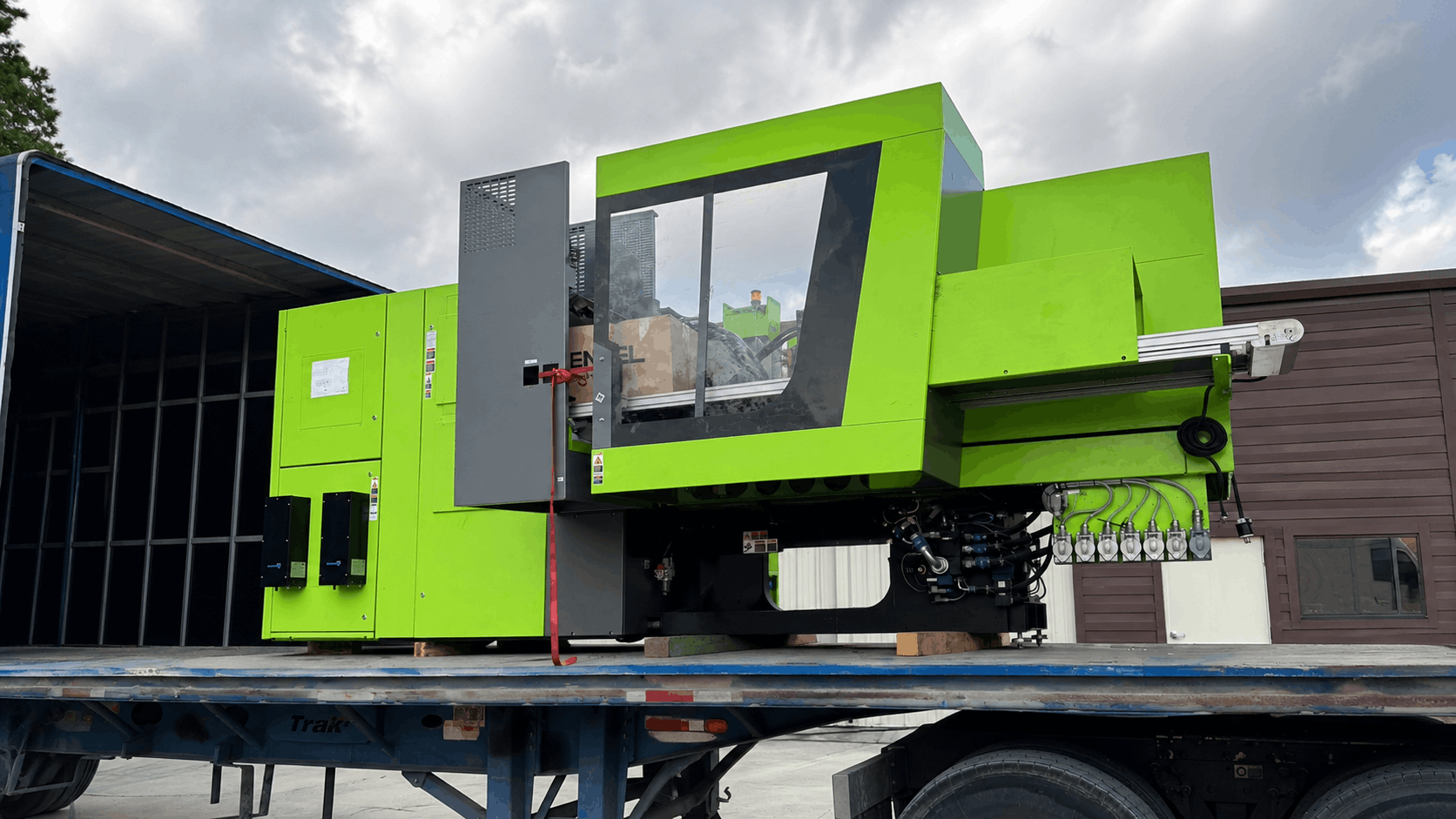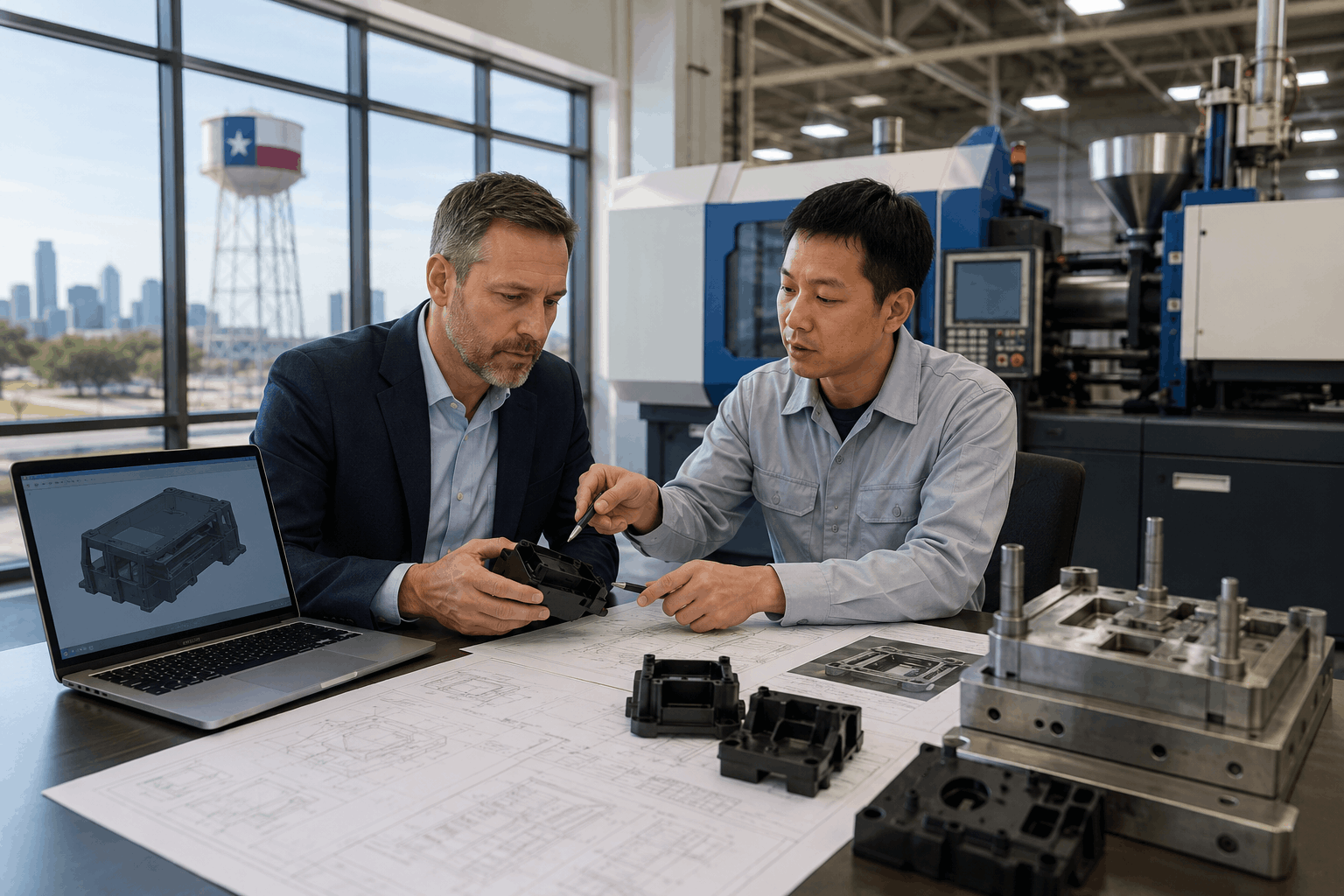
Choosing between custom plastic injection molding companies is not just a purchasing decision. For OEM buyers, engineers, product teams, and procurement managers, it is a decision that can affect product quality, launch timing, tooling cost, production stability, and long-term supply reliability. Many companies can mold plastic parts. Fewer companies can help you move from design review to tooling, sampling, validation, production, inspection, assembly, and repeatable delivery without creating unnecessary risk. That difference matters even more when the part is complex, the tolerance is tight, the production volume is high, or the product must perform consistently in the field. A good injection molding company should do more than give you a quote. It should help you understand whether your part is ready for tooling, whether the selected material makes sense, whether the mold design supports repeatable production, and whether the production plan can scale with your demand. This buyer’s guide explains what OEM teams should compare before choosing a custom plastic injection molding partner in the USA. Instead of asking, “Who has the lowest price?” a better question is:
Which injection molding company can reduce risk, protect quality, and support the project from design to production?
Why Choosing the Right Custom Plastic Injection Molding Company Matters
Injection molding is often selected because it can produce plastic components at scale with consistent quality and lower per-part cost after tooling is complete. But the success of an injection molding project depends heavily on decisions made before the first production run. A poor supplier choice can lead to problems such as:
- Mold revisions that delay launch
- Parts that warp, sink, flash, crack, or fail inspection
- Unclear quote assumptions
- Unexpected tooling changes
- Poor communication during sampling
- Inconsistent batch quality
- Long production delays
- Higher total cost than expected
The risk is not always visible at the quoting stage. A low quote may look attractive, but it may leave out DFM review, sampling, mold maintenance, inspection reporting, material validation, or secondary operations. By the time those issues appear, the project may already be locked into tooling, deadlines, and purchase commitments. That is why OEM buyers should compare plastic injection molding companies based on capability, process, communication, tooling knowledge, quality controls, and long-term production fit—not price alone.
What Makes a Good Custom Plastic Injection Molding Company?
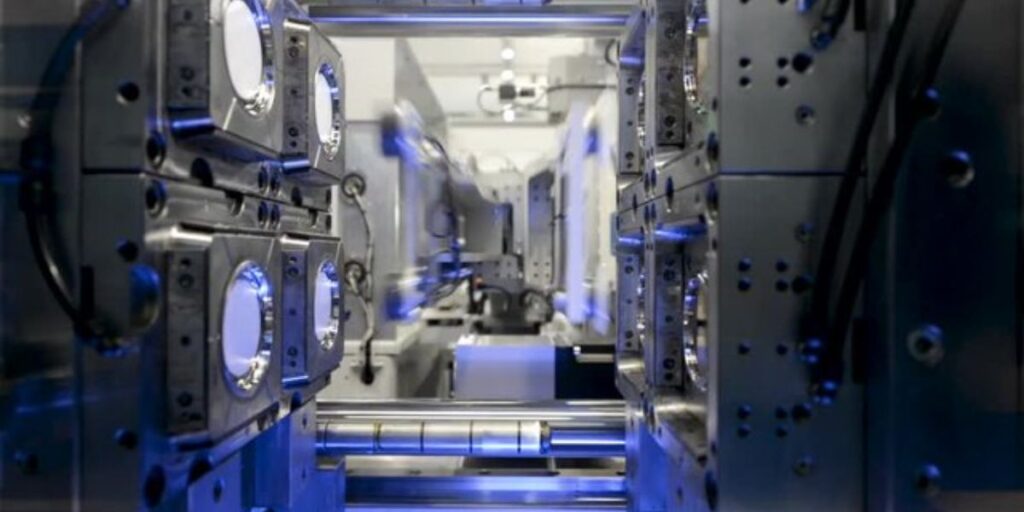
A good custom plastic injection molding company combines engineering knowledge, manufacturing discipline, tooling expertise, quality control, and clear project management. The best partner is not always the largest company or the company with the cheapest quote. The best partner is the one that fits your part, your production volume, your quality requirements, and your business goals. When comparing companies, look for these core strengths.
1. Strong Engineering Support Before Tooling Begins
Engineering support is one of the most important factors in injection molding success. Many part problems begin before the mold is built. If a supplier does not review the design carefully, issues may appear later as tooling corrections, production defects, or inconsistent part performance. A capable supplier should review:
- Wall thickness
- Draft angles
- Rib design
- Boss design
- Gate location
- Ejection points
- Parting line strategy
- Material flow
- Shrinkage risk
- Sink mark risk
- Warpage risk
- Tolerance requirements
- Surface finish requirements
- Assembly fit
- End-use performance
This process is commonly known as Design for Manufacturability, or DFM. For OEM buyers, DFM is valuable because it identifies production risks before the company invests in mold steel. Without early engineering review, even a small design issue can become expensive. For example, uneven wall thickness may cause sink marks or warping. A missing draft angle may make the part difficult to eject. A poorly placed gate may create cosmetic defects or weak areas. Tight tolerances in non-critical areas may increase cost without improving performance.
A strong molding company should explain these risks clearly and recommend practical changes.
2. Tooling Knowledge and Mold Design Capability
The mold is the foundation of the injection molding process. Even with modern machines and quality resin, a poorly designed mold can create long-term production problems. When comparing custom plastic injection molding companies, ask how they approach mold design and fabrication. The supplier should understand how tool design affects part quality, cycle time, cooling, maintenance, and repeatability.
The injection molding process includes several important stages, such as DFM review and tooling. To dive deeper into how the process works, check out this detailed guide from Plastics Technology. It covers everything from design to production.
Important tooling factors include:
- Mold material
- Expected tool life
- Number of cavities
- Cooling channel design
- Gate type and location
- Venting strategy
- Ejection system
- Slides, lifters, and inserts
- Mold maintenance plan
- Spare component availability
- Tool ownership terms
- Mold transfer options
For high-volume OEM production, tooling quality becomes even more important. A mold that works for short runs may not be suitable for long-term production. If the tool wears quickly, produces inconsistent parts, or requires frequent maintenance, the project can become more expensive over time. A reliable injection molding partner should be able to explain why a certain tool design is recommended and how that design supports your production goals.
3. Experience With OEM Plastic Parts
OEM projects often have different requirements than simple commodity parts. OEM buyers usually need consistent performance, repeatable quality, documentation, stable supply, and technical communication. A company that understands OEM plastic injection molding should be comfortable working with:
- CAD files
- 2D drawings
- Tolerance requirements
- Material specifications
- Assembly requirements
- Cosmetic standards
- Inspection plans
- Production schedules
- Packaging requirements
- Revision control
- Long-term demand planning
OEM parts may be used in automotive, medical-related devices, electronics, industrial equipment, consumer products, home appliances, footwear, marine products, and other performance-driven applications. Each industry has different expectations for quality, documentation, material performance, and supply continuity. The right supplier should understand your industry and ask detailed questions before quoting.
Should You Choose Local, Offshore, or Hybrid Manufacturing?

One of the biggest decisions OEM buyers face is whether to choose a local USA-based injection molding company, an offshore supplier, or a hybrid manufacturing partner. There is no single answer for every project. The right choice depends on cost, speed, quality, communication, volume, risk tolerance, and supply chain strategy.
Choosing between local, offshore, or hybrid manufacturing models requires a good understanding of each option’s advantages. For a comprehensive look at offshore manufacturing, check out Thomasnet’s guide
Local USA Injection Molding Companies
Local USA injection molding companies can be a good fit when communication speed, lead time, regulatory familiarity, and local support are high priorities. Potential advantages include:
- Easier communication during engineering review
- Faster access to project managers
- Shorter shipping distances
- Easier plant visits
- Better alignment with domestic production schedules
- Stronger support for urgent changes
- Simpler logistics for some programs
Local manufacturing may be especially useful for early-stage projects, highly sensitive programs, frequent design iterations, lower-volume production, or projects where speed and communication are more important than lowest unit cost. However, local production may come with higher labor and operating costs. For high-volume parts, this may affect the final per-part price.
Offshore Plastic Injection Molding
Offshore manufacturing may offer cost advantages, especially for high-volume production, labor-intensive assembly, or projects where tooling and production can be planned carefully. Potential advantages include:
- Lower manufacturing cost in some cases
- Scalable production capacity
- Strong tooling ecosystems in certain regions
- Cost-effective assembly options
- Useful capacity for large production programs
However, offshore manufacturing can also introduce challenges. Communication delays, time zone differences, longer shipping times, unclear specifications, and quality-control gaps can create risk if the supplier does not have strong project management. Offshore production can work well when the supplier has mature engineering systems, clear documentation, strong inspection processes, and reliable communication.
Hybrid Injection Molding Manufacturing
A hybrid manufacturing model combines local project support with global production capacity. For many OEM buyers, this can offer a practical balance between communication, engineering support, cost efficiency, and scalability. A hybrid model may include:
- USA-based communication and project management
- Local engineering review
- Offshore tooling or production capacity
- Global manufacturing scale
- Unified quality standards
- Cost-efficient high-volume production
- Better support for both launch and scale-up
This model can be useful when OEM buyers want responsive communication but also need production capacity and a competitive cost structure for larger programs. When comparing hybrid suppliers, make sure the company has one clear process, one accountable project team, and consistent quality standards across locations. A hybrid model only works well when communication and quality control are tightly managed.
What OEM Buyers Should Compare Before Choosing a Supplier
Before choosing from multiple custom plastic injection molding companies, OEM buyers should compare each supplier across several practical categories.
1. Part Complexity Fit
Not every molding company is right for every part. Some suppliers are better for simple commodity parts. Others are better for tight-tolerance components, complex geometries, insert molding, overmolding, multi-cavity tooling, or engineering-grade resins. Ask whether the supplier has experience with parts similar to yours in:
- Size
- Geometry
- Material
- Tolerance
- Surface finish
- Production volume
- Assembly function
- Industry use
A supplier does not need to have made the same part before, but it should understand the technical challenges involved.
H3: 2. Production Volume Fit
Production volume has a major impact on tooling decisions, cavity count, cycle time, automation, quality planning, and cost structure. A good supplier should ask about:
- Prototype quantity
- First production run
- Annual usage
- Monthly demand
- Ramp-up timing
- Expected product life
- Future volume changes
A low-volume mold may not be right for a high-volume production program. A high-cavity production mold may not make sense if demand is uncertain. The supplier should help you choose a tooling strategy that matches your real production plan.
H3: 3. Material Knowledge
Material selection affects strength, flexibility, chemical resistance, temperature resistance, appearance, cost, shrinkage, and long-term performance. Common plastic material considerations include:
- Mechanical strength
- Impact resistance
- Heat resistance
- Chemical exposure
- UV exposure
- Flexibility
- Wear resistance
- Flame rating
- Food-contact requirements
- Color and finish
- Moisture absorption
- Dimensional stability
A good injection molding company should not simply ask, “What resin do you want?” It should ask how the part will be used. The correct material depends on the application, not just the drawing. If a buyer is unsure about material choice, the supplier should provide guidance and explain trade-offs.
4. Tolerance Capability
Tolerance requirements can change the complexity and cost of a project. Tight tolerances may require advanced tooling, better process control, more inspection, and careful material selection. Before accepting a quote, ask:
- Which dimensions are critical?
- What tolerance level is realistic for this material?
- How will shrinkage be controlled?
- What inspection method will verify the dimension?
- Are all tight tolerances necessary?
- Can any tolerances be opened to reduce cost?
A professional supplier should review tolerances carefully instead of accepting them blindly. Some tight tolerances may be necessary. Others may add cost without improving the product.
H3: 5. Quality Control and Inspection Process
Quality control is one of the most important areas to compare. A molding company should have a defined process for confirming that parts meet requirements. Depending on the project, inspection may include:
- First article inspection
- Dimensional inspection
- CMM measurement
- 3D scanning
- Visual inspection
- Functional testing
- Material verification
- Color matching
- Surface finish review
- Process monitoring
- Lot traceability
- Final inspection reports
For OEM buyers, the key question is not just whether the supplier says it has quality control. The key question is how quality is measured, documented, and maintained during production. Ask what happens if a part fails inspection. Ask how defects are tracked. Ask whether corrective actions are documented. Ask whether inspection results are shared with the customer.
6. Certifications and Quality Systems
Certifications do not automatically guarantee a perfect supplier, but they can show that the company follows defined quality management processes. Depending on your industry, relevant quality systems may include:
- ISO 9001 for quality management
- ISO 13485 for medical device-related manufacturing environments
- IATF 16949 for automotive supply chain requirements
- Internal quality management systems
- Customer-specific quality standards
- PPAP or production approval processes, when required
OEM buyers should ask whether the supplier’s certifications match the project requirements. For example, a general industrial component may not require the same quality system as an automotive or medical-related part. Also, ask whether the certification applies to the actual facility that will produce your parts. Some companies advertise quality credentials, but the buyer should confirm which location, process, or division is covered.
7. Communication and Project Management
Many injection molding problems are made worse by poor communication. A supplier may have strong machines and tooling capability, but if communication is slow or unclear, the project can still suffer. Good communication includes:
- Fast response to technical questions
- Clear quote assumptions
- Organized project timelines
- Regular updates during tooling
- Clear sample feedback process
- Transparent issue resolution
- Engineering-to-engineering discussion
- Documented revision control
- Clear ownership of next steps
OEM buyers should pay close attention during the early quoting stage. If a supplier is slow, vague, or disorganized before winning the project, communication may not improve after the purchase order is placed.
8. Ability to Support Secondary Operations
Some plastic parts require more than molding. They may need machining, assembly, inserts, labeling, packaging, ultrasonic welding, finishing, or functional checks. Ask whether the supplier can support:
- Insert installation
- Assembly
- Packaging
- Labeling
- Post-molding machining
- Functional testing
- Surface finishing
- Component sourcing
- Kitting
- Ready-to-ship manufacturing
A supplier with integrated capabilities may reduce the number of vendors involved. This can simplify communication, reduce handoffs, and improve accountability.
Questions to Ask Before Requesting an Injection Molding Quote
Before requesting a quote, OEM buyers should prepare detailed information. The more complete your RFQ package is, the more accurate and comparable your quotes will be. Here are important questions to ask the supplier.
Company and Capability Questions
Ask:
- What types of custom plastic injection molding projects do you specialize in?
- Do you support OEM production programs?
- What industries do you commonly serve?
- What part sizes and materials do you handle?
- Do you support high-volume injection molding?
- Do you offer DFM review before tooling?
- Do you build or manage injection mold tooling?
- Can you support assembly or secondary operations?
- Do you have experience with tight-tolerance parts?
- Can you support production scaling after sampling?
If you’re interested in high-volume production, it’s critical to find a supplier that can scale with your needs. Haumann offers high-volume injection molding services to meet large-scale production requirements.These questions help determine whether the supplier is truly a fit for your project.
Engineering and DFM Questions
Ask:
- Will you review my CAD file before quoting?
- Will you provide DFM feedback?
- What design risks do you see in the part?
- Are the wall thicknesses appropriate?
- Is the part designed with enough draft?
- Where would you recommend the gate location?
- Are there any sink, warp, or ejection risks?
- Are any tolerances difficult to hold?
- Can the part be simplified before tooling?
- What changes could reduce tooling or production costs?
A supplier that gives thoughtful engineering feedback before tooling can help prevent expensive problems later.
Tooling Questions
Ask:
- What type of mold are you quoting?
- What mold material will be used?
- How many cavities are included?
- What is the expected tool life?
- Who owns the mold?
- Can the mold be transferred later?
- Are mold revisions included?
- Is sampling included?
- What maintenance is included?
- What happens if the tool does not produce parts to specification?
Tooling questions are critical because mold assumptions can vary greatly from one supplier to another.
Quality and Inspection Questions
Ask:
- What quality system do you follow?
- What certifications do you hold?
- What inspection equipment do you use?
- Is the first article inspection included?
- Can you provide dimensional reports?
- How do you control lot-to-lot consistency?
- How do you handle nonconforming parts?
- Can you support PPAP or customer-specific validation?
- How are revisions controlled?
- What documentation is included with production shipments?
Quality should be discussed before the quote is finalized, not after problems appear.
Production and Supply Chain Questions
Ask:
- What is your production capacity?
- What lead time should we expect for tooling?
- What lead time should we expect for production?
- Can you support demand increases?
- How do you manage raw material availability?
- What happens if the resin lead time changes?
- Can you support blanket orders or scheduled releases?
- Do you offer local, offshore, or hybrid production options?
- How do you manage logistics?
- What packaging options are available?
These questions help determine whether the supplier can support your long-term production needs.
What to Send With Your RFQ
A supplier can only quote accurately if it has the right information. Incomplete RFQs often lead to assumptions, and assumptions make quotes difficult to compare. When requesting a quote from custom plastic injection molding companies, prepare the following if available:
- 3D CAD file
- 2D drawing
- Material specification
- Annual volume estimate
- First order quantity
- Tolerance requirements
- Critical dimensions
- Surface finish requirements
- Color requirements
- Cosmetic standards
- Assembly requirements
- Insert or hardware details
- Packaging requirements
- Testing requirements
- Inspection requirements
- Target launch date
- Expected product life
- Any existing tool information
- Samples or prototypes
- Current production issues if transferring suppliers
The goal is not just to get a price. The goal is to get a quote that reflects the real project. If two suppliers quote based on different assumptions, the cheaper quote may not actually be cheaper.
Why the Lowest Injection Molding Quote Can Cost More Later
It is natural for OEM buyers to compare prices. Cost matters. But the lowest quote is not always the lowest total cost. A low quote may exclude:
- DFM review
- Mold sampling
- Tool adjustments
- Inspection reports
- Material validation
- Packaging
- Secondary operations
- Mold maintenance
- Engineering support
- Production troubleshooting
- Revision support
- Freight and logistics considerations
A quote can look low because the supplier is quoting a simpler tool, fewer cavities, less inspection, lower-grade material, or limited support. Those omissions may become expensive later. Instead of comparing only the final number, compare what is included. A better quote should clearly explain:
- Tooling approach
- Mold assumptions
- Part price assumptions
- Material selection
- Cavity count
- Lead time
- Sampling process
- Inspection plan
- Quality documentation
- Revision policy
- Production volume assumptions
- Packaging and logistics
For OEM buyers, a transparent quote is often more valuable than a vague low quote.
What Certifications and Inspection Processes Matter?
Certifications and inspection systems matter because they show whether a supplier has structured processes for quality and consistency. For general manufacturing, ISO 9001 is often a useful quality management benchmark. For medical-related manufacturing, ISO 13485 may be relevant. For automotive supply chains, IATF 16949 may be important. However, the right certification depends on the part, application, customer requirement, and industry. Beyond certifications, ask about the supplier’s real inspection process. Important inspection questions include:
- Are critical dimensions identified before production?
- Is first article inspection performed?
- Are inspection reports available?
- Is CMM or 3D scanning used when needed?
- Are cosmetic standards documented?
- Is material traceability available?
- Are nonconforming parts controlled?
- Are corrective actions documented?
- Is process capability monitored for critical features?
Quality is not only about catching defects at the end. Quality is about designing a process that reduces the chance of defects happening in the first place.
Why Engineering Support Matters Before Tooling Begins
The most expensive time to discover a design problem is after the mold is already built. At that stage, changes may require welding, machining, inserts, rework, or even a new tool. Engineering support before tooling helps reduce this risk. A good DFM review can identify:
- Areas where walls are too thick or too thin
- Features that may cause sink marks
- Areas likely to warp
- Undercuts that require slides or lifters
- Draft issues that affect ejection
- Gate location concerns
- Cooling challenges
- Material shrinkage risks
- Assembly fit issues
- Tolerances that may be difficult to hold
Early engineering support can also help reduce cost. Sometimes a small design change can simplify the mold, reduce cycle time, improve part strength, or lower scrap risk. For OEM teams, this is one of the strongest reasons to choose a supplier with engineering depth over one that only quotes from a drawing.
Local vs Offshore vs Hybrid: Which Option Is Best for OEM Buyers?
The best manufacturing model depends on project priorities. Choose a local USA injection molding company when:
- Speed is a top priority
- Frequent design changes are expected
- You need easy communication
- The production volume is moderate
- The project requires local support
- Shipping distance is important
- You need close collaboration during launch
Choose offshore manufacturing when:
- Cost reduction is a major priority
- Production volume is high
- The design is stable
- Lead time allows for longer logistics
- The supplier has strong quality systems
- Assembly or labor-intensive work is included
Choose a hybrid manufacturing partner when:
- You want USA-based communication
- You need global production capacity
- You need engineering support before tooling
- You want cost-efficient scaling
- You need one accountable partner
- You want flexibility between launch and volume production
For many OEM buyers, the hybrid model is becoming attractive because it can combine local support with scalable production. However, the supplier must have strong quality control and clear communication across all locations.
Red Flags When Comparing Injection Molding Companies
Not every supplier is the right fit. Watch for these warning signs during the quoting process.
Vague Quotes
If the quote does not explain tooling, material, inspection, lead time, sampling, or assumptions, it may create problems later. A vague quote may hide missing costs.
No DFM Feedback
If a supplier quotes a complex part without asking engineering questions, it may not be reviewing the design carefully.
For custom molded parts, DFM review is often essential.
Poor Communication
Slow replies, unclear answers, or disorganized communication during the quote stage may continue during production.
Communication quality is part of supplier quality.
No Clear Quality Process
If the supplier cannot explain how it inspects parts, controls defects, or manages revisions, proceed carefully.
Quality should be systematic, not reactive.
Unrealistically Low Pricing
A very low price may be real, but it should be reviewed carefully. Make sure all services are included and that the quote matches your project requirements.
No Tool Ownership Clarity
Tool ownership should be clearly defined before the project begins. OEM buyers should know who owns the mold, where it will be stored, how it will be maintained, and whether it can be transferred.
How to Build a Supplier Comparison Scorecard
A supplier scorecard helps procurement and engineering teams compare companies objectively. Use a simple scoring system from 1 to 5 for each category:
| Comparison Category | Why It Matters |
|---|---|
| Engineering support | Reduces risk before tooling |
| DFM capability | Improves manufacturability |
| Tooling expertise | Supports repeatable production |
| Material knowledge | Improves part performance |
| Quality system | Protects consistency |
| Inspection capability | Confirms parts meet spec |
| Communication | Keeps project on schedule |
| Volume capacity | Supports production demand |
| Secondary operations | Reduces supplier handoffs |
| Quote transparency | Prevents hidden costs |
| Location model | Affects speed, cost, and logistics |
| Long-term fit | Supports future growth |
This approach helps your team compare more than price. It also creates a clear internal record of why one supplier was selected over another.
How Haumann Fits Into the Buyer’s Comparison Process
When OEM buyers compare custom plastic injection molding companies, Haumann can be evaluated as a practical option for projects that need engineering support, tooling knowledge, scalable production, and clear communication. Haumann’s position is especially relevant for OEM teams that want:
- Houston-based communication and project management
- DFM and engineering review before tooling
- Tooling and mold fabrication support
- High-volume injection molding capability
- Inspection support for production quality
- Assembly and integrated manufacturing options
- A hybrid manufacturing model with global scalability
This does not mean every project should choose the same supplier. The right decision depends on the part, volume, timeline, quality requirements, and cost targets. But for OEM buyers who want a partner that can support the path from design review to production, Haumann should be included in the comparison. The strongest supplier decision is not based on marketing claims. It is based on fit. If the project requires engineering review, tooling support, production scale, and quality documentation, buyers should compare Haumann against those requirements.
Final Checklist Before Choosing a Custom Plastic Injection Molding Company
Before making a final decision, review this checklist. Choose a supplier that can clearly answer:
- Can they review the design before tooling?
- Can they explain the tooling approach?
- Can they support the required production volume?
- Do they understand the material requirements?
- Can they hold the required tolerances?
- Do they have a documented quality process?
- Can they provide inspection reports if needed?
- Do they communicate clearly and quickly?
- Are the quote assumptions transparent?
- Is mold ownership clearly defined?
- Can they support future scale?
- Can they reduce supplier handoffs with added services?
- Do they understand OEM production expectations?
If the supplier cannot answer these questions clearly, the project may carry more risk than the quote suggests.
Conclusion: Compare the Process, Not Just the Price
The best custom plastic injection molding companies are not just part producers. They are manufacturing partners that help OEM buyers reduce risk, improve part quality, control tooling decisions, and scale production with confidence. Price matters, but it should not be the only deciding factor. A low quote can become expensive if it leads to tooling changes, quality issues, delays, or poor communication. A better supplier will help your team understand the full path from design to production. Before choosing a plastic injection molding company in the USA, compare engineering support, DFM capability, tooling expertise, inspection process, certifications, production volume fit, communication quality, and total cost of ownership. For OEM buyers, the right partner should help answer the most important question:
How can this part be manufactured reliably, repeatably, and cost-effectively at scale?
If your team is preparing a custom plastic injection molding project, start by organizing your CAD files, drawings, material requirements, tolerance needs, production volume, and inspection expectations. A complete RFQ helps the right supplier give you a clearer quote and a better manufacturing plan.
FAQs About Custom Plastic Injection Molding Companies
OEM buyers should compare engineering support, DFM capability, tooling expertise, production capacity, material knowledge, inspection process, certifications, communication, quote transparency, and long-term production fit. The best supplier is not always the cheapest option. It is the company that can support the project from design review to repeatable production.
It depends on the project. USA-based suppliers may offer easier communication, faster collaboration, and shorter logistics. Offshore suppliers may offer cost advantages for high-volume production. A hybrid supplier can offer local project support with global production capacity, which may be useful for OEM buyers who need both communication and scale.
Ask whether the supplier provides DFM review, what type of tooling is included, how many cavities are quoted, what material is assumed, what inspection is included, who owns the mold, what lead time is expected, and how production quality will be controlled.
DFM matters because it helps identify design issues before the mold is built. It can reduce the risk of warping, sink marks, poor ejection, weak areas, unnecessary tight tolerances, and costly tooling revisions. Early design review can also help reduce production cost and improve part quality.
The right certifications depend on the project and industry. ISO 9001 is commonly associated with quality management systems. ISO 13485 may be relevant for medical device-related manufacturing. IATF 16949 may be important for automotive supply chain projects. Buyers should confirm which certification applies to the actual production facility.
Send a 3D CAD file, 2D drawing, material requirements, annual volume estimate, first order quantity, tolerance requirements, surface finish needs, color requirements, assembly details, inspection requirements, packaging needs, and target launch date. More complete information usually leads to a more accurate quote.
Quotes vary because suppliers may use different tooling assumptions, cavity counts, materials, inspection plans, lead times, production locations, quality systems, and support levels. A lower quote may not include the same services as a higher quote, so buyers should compare the details carefully.
Hybrid manufacturing can make sense when OEM buyers want responsive USA-based communication and engineering support, but also need scalable production capacity and cost-efficient manufacturing. It is especially useful when the project must move from design review to high-volume production with one accountable partner.
Looking for a custom plastic injection molding partner with dual-base manufacturing support?
Haumann helps OEM buyers combine responsive project communication, engineering-led DFM review, tooling support, quality inspection, and scalable production for custom plastic parts.
Visit Haumann’s website today to explore how our dual-base manufacturing approach can help your team reduce risk, improve quality, and move from design to production with confidence.