When a plastic part must withstand heat, constant stress, and years of hard use without warping or cracking, standard plastics are no longer an option. This is where PA66-GF30 earns its place. It’s one of the most trusted engineering materials we work with at Haumann Group, and it shows up in some surprisingly demanding products from water sports equipment to precision components that take a real beating in the field.
In this article, we’ll break down what PA66-GF30 actually is, why engineers keep choosing it, and what it takes to mold it well.
What Is PA66-GF30?
PA66-GF30 is a glass-fiber reinforced grade of nylon 66. The name tells you exactly what’s inside it. “PA66” is polyamide 66, the base engineering nylon, and “GF30” means it’s reinforced with 30% glass fiber by weight.
On its own, nylon 66 is already a strong, tough engineering plastic. But add 30% short glass fibers into the mix and the material transforms. The glass fibers act like rebar inside concrete — they carry load, resist deformation, and hold the part’s shape even when things get hot and stressful. The result is a material that behaves far more like a structural component than a typical plastic.
Why Engineers Choose PA66-GF30
There are plenty of engineering plastics available, so why does PA66-GF30 come up again and again on demanding projects? It comes down to a combination of properties that are hard to find together in a single material.
High mechanical strength. The glass reinforcement dramatically increases tensile and flexural strength. Parts can carry real mechanical loads without bending or failing, which is why it’s a favorite for structural and load-bearing components.
Excellent heat resistance. PA66-GF30 holds its shape and strength at elevated temperatures where unfilled plastics would soften or creep. This makes it a natural fit for under-hood automotive parts and any application near heat.
Dimensional stability. Once the part is molded, it stays true. The glass fibers reduce warping and shrinkage, so tight-tolerance parts keep their dimensions over time and across temperature swings.
Wear and fatigue resistance. The material stands up to repeated stress cycles and friction. In products that flex, snap, or take impact over and over, this is exactly the durability you want.
Chemical and moisture resistance. PA66-GF30 resists oils, fuels, and many chemicals, which broadens where it can be safely used.
Here’s a quick reference on the properties that matter most when specifying this material:
| Property | What It Means for the Part |
|---|---|
| 30% glass fiber reinforcement | Structural strength and stiffness |
| High tensile & flexural strength | Carries mechanical load without deforming |
| High heat deflection temperature | Keeps shape and strength near heat sources |
| Low shrinkage & warping | Holds tight tolerances over time |
| Strong fatigue resistance | Survives repeated stress and flexing |
| Good chemical resistance | Withstands oils, fuels, and solvents |
Real Products We Mold in PA66-GF30
This material isn’t just theory for us. At Haumann Group, we’ve molded PA66-GF30 into a wide range of parts where failure simply isn’t acceptable.
A good example is water sports equipment. We’ve produced parts for water skating boards — components that face constant impact, water exposure, and mechanical stress every time they’re used. PA66-GF30’s combination of strength, fatigue resistance, and moisture resistance makes it ideal here, where a weaker plastic would crack or wear out fast.
We’ve also molded parts for ice skating shoes, where the material has to stay strong and dimensionally stable under load, cold, and repeated flexing. The rigidity and durability of glass-filled nylon 66 are exactly what these components demand.
Beyond sports equipment, PA66-GF30 goes into a broad set of structural and precision components across industries — anywhere a part needs the strength of engineering-grade nylon with the added stiffness that glass reinforcement provides. The range of products it can serve is one of the reasons it remains such a versatile choice on our floor.
Molding PA66-GF30 the Right Way
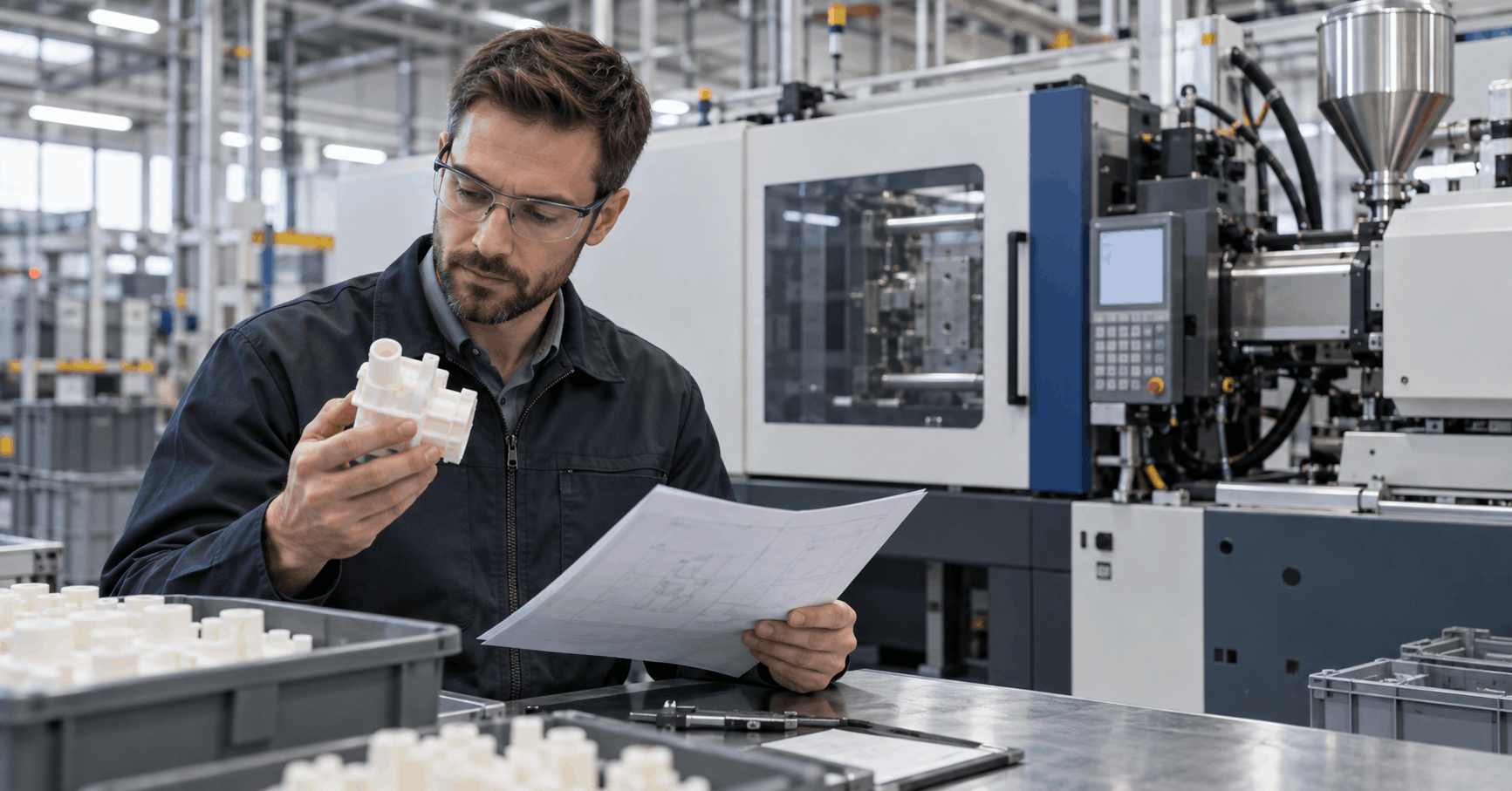
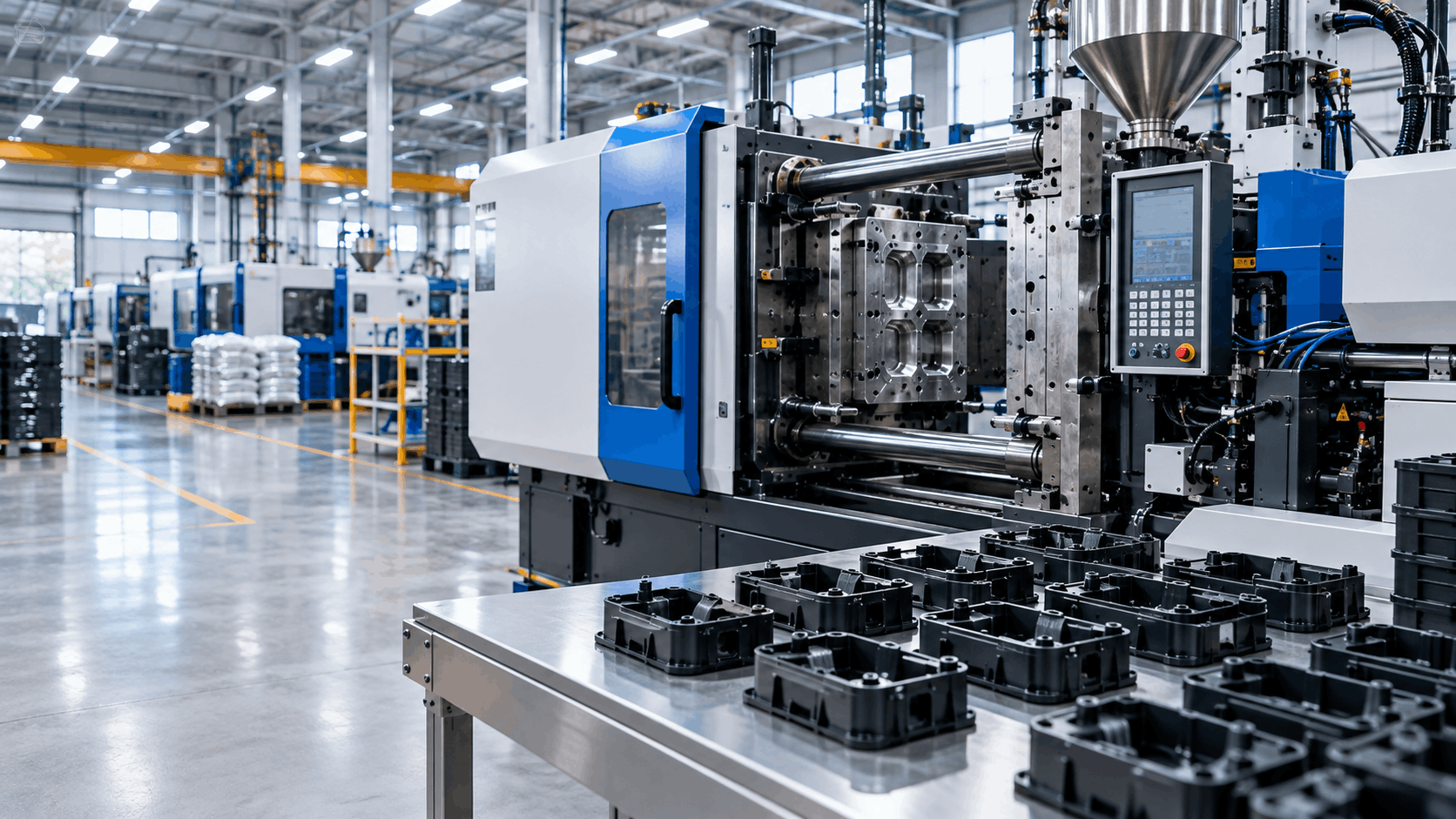
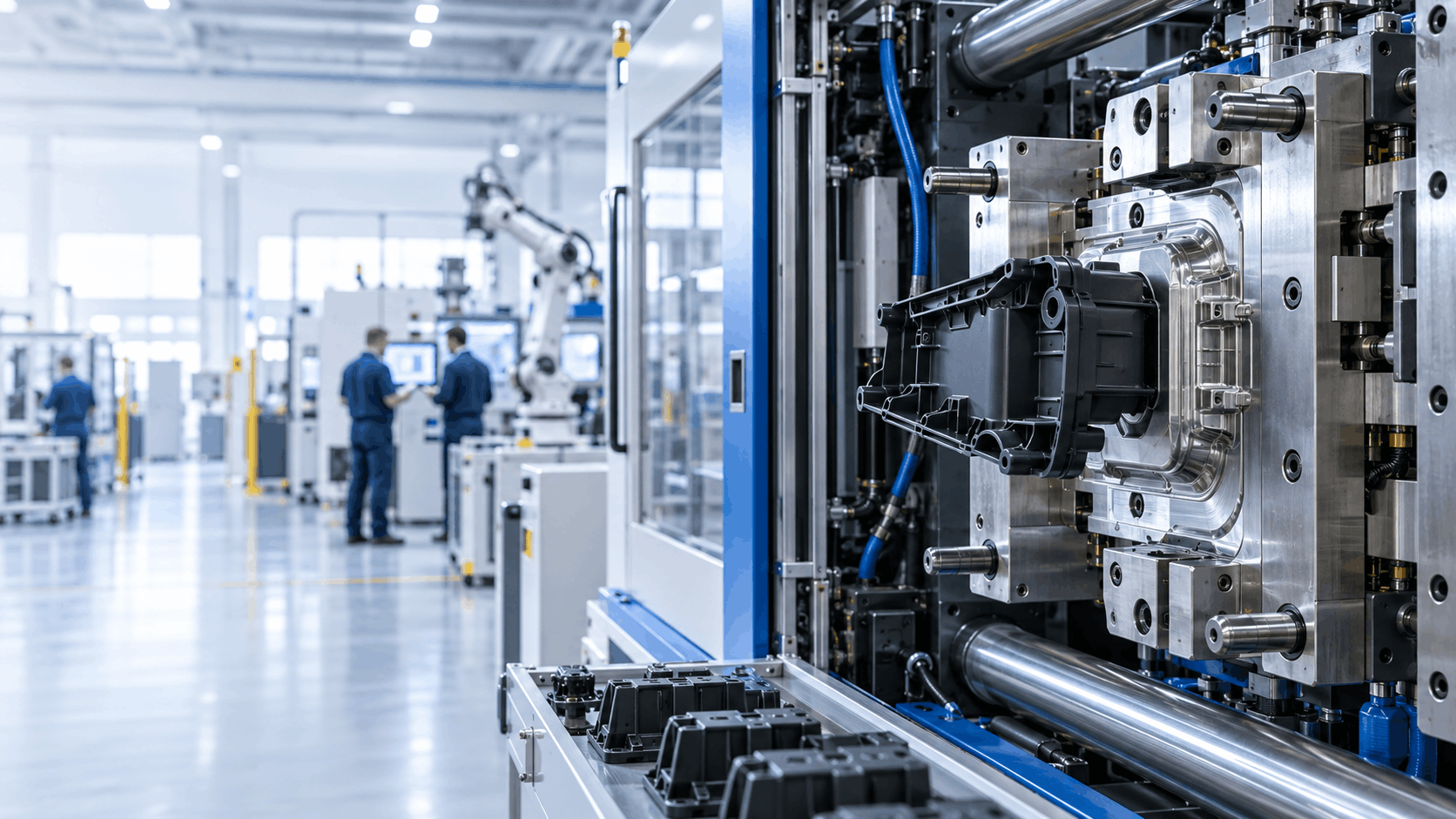
A material is only as good as the process behind it. PA66-GF30 delivers outstanding parts, but it’s demanding to mold, and getting consistent results takes real manufacturing discipline. A few factors make the difference between a strong part and a defective one.
Proper drying is essential. Nylon 66 absorbs moisture readily, and molding it wet leads to surface defects and weak parts. The resin has to be dried thoroughly before it ever reaches the machine.
Controlled melt and mold temperatures. Glass-filled nylon needs the right thermal window to flow properly and crystallize correctly. Too cold and the surface suffers; the wrong conditions and the part’s strength drops.
Managing shrinkage and fiber orientation. Because glass fibers align with the flow of material, part design, gate placement, and process settings all influence final strength and dimensions. Experience matters here — it’s what separates a part that meets spec from one that warps or fails.
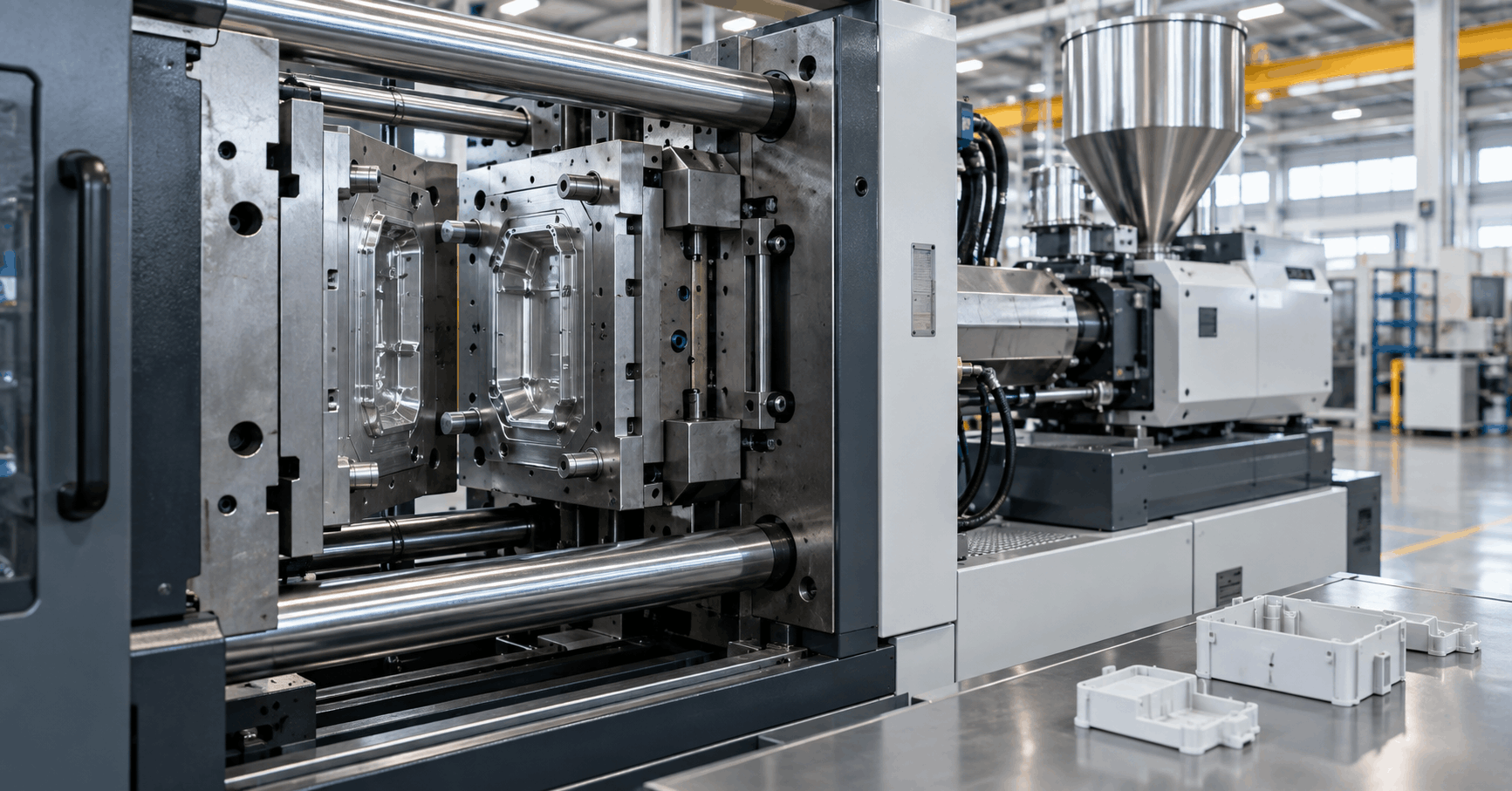
Wear-resistant tooling. The same glass fibers that make the part strong are abrasive on the mold. Molding this material long-term requires quality tooling and proper maintenance to hold precision over thousands of cycles.
This is where working with an experienced manufacturer pays off. The properties that make PA66-GF30 so capable are the same ones that make it unforgiving if the process isn’t dialed in correctly.
Working With Haumann Group
At Haumann Group, PA66-GF30 is one of many engineering materials we process for customers who need parts that perform under pressure. Our German engineering heritage shows up in exactly these details — the drying, the temperature control, the tooling discipline that turn a demanding material into a reliable, high-quality part.
If you’re developing a product that needs the strength, heat resistance, and durability of glass-filled nylon 66, we’d be glad to talk through your requirements and how PA66-GF30 might fit.
PA66-GF30 is nylon 66 (polyamide 66) reinforced with 30% glass fiber by weight. The glass reinforcement significantly increases the material’s strength, stiffness, and heat resistance compared to standard nylon.
It’s used for parts that require high strength and durability — structural components, automotive parts, sports equipment like water-skating boards and ice-skating shoe parts, connectors, and other precision components exposed to heat, stress, or wear.
Yes. Adding 30% glass fiber gives it far higher tensile and flexural strength, better dimensional stability, and greater heat resistance than unfilled nylon 66, while also reducing warping.
It can be. The material must be properly dried, molded within a controlled temperature window, and run on wear-resistant tooling because the glass fibers are abrasive. Consistent results require an experienced manufacturer.