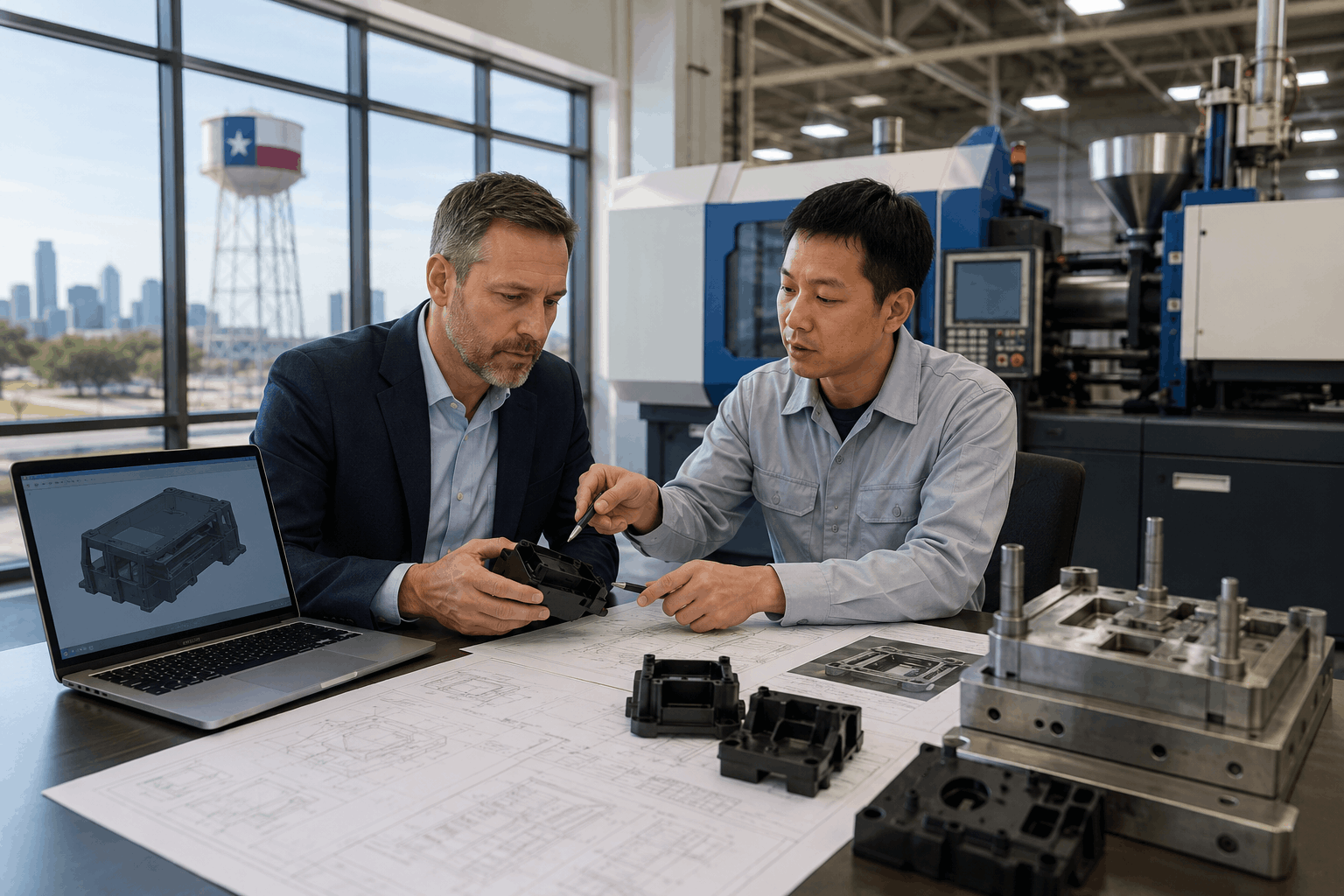
Choosing a custom plastic injection molding supplier is one of the most important decisions a manufacturing company can make. Whether you are producing medical components, automotive parts, industrial equipment, electronics housings, or consumer products, the supplier you work with directly affects product quality, production consistency, delivery timelines, and even your company’s reputation in the market.
Many businesses focus heavily on pricing during the supplier selection process. While manufacturing costs always matter, selecting the cheapest supplier often creates larger problems later. Lower-cost suppliers may cut expenses by reducing investment in tooling quality, engineering support, material selection, inspection procedures, or production management. These issues may not appear during the initial quoting stage, but often become visible once production begins.
A delayed shipment, an inconsistent molded part, or a tooling failure can create serious operational challenges for businesses that depend on stable production schedules. In industries where precision is critical, even small defects can affect assembly performance, product durability, or customer satisfaction. This is why experienced companies no longer evaluate suppliers based only on cost. Instead, they focus on long-term manufacturing partners that offer reliability, technical expertise, scalability, and consistent quality.
Learn more about our injection molding services
A professional plastic injection molding supplier does far more than simply manufacture parts. The right supplier becomes involved in product development, design optimization, tooling strategy, material selection, production planning, and quality assurance. They help customers avoid costly manufacturing errors before they happen and support long-term production growth as demand increases. The injection molding process itself is highly technical. Every stage, from product design and mold engineering to material processing and quality inspection, must be carefully controlled to achieve stable and repeatable results. Suppliers without strong technical systems may struggle to maintain consistency during high-volume production, especially when handling complex components or tight tolerances.
This is particularly important in industries such as medical manufacturing, aerospace, automotive production, electronics, and industrial engineering, where production reliability and dimensional accuracy are essential. Companies in these sectors need manufacturing partners who understand process control, quality standards, regulatory requirements, and long-term production stability. Another important factor often overlooked is communication. Even with advanced machinery and strong production capability, poor communication can cause major project delays. Fast response times, clear technical discussions, and organized project management are what typically separate professional suppliers from unreliable ones.
As global manufacturing continues to evolve, companies also require suppliers that can scale production efficiently, adapt to supply chain changes, and support international growth. Businesses are no longer looking for short-term production vendors but for long-term partners capable of supporting continuous development and manufacturing success. This guide outlines the key factors companies should evaluate when selecting a reliable custom injection molding manufacturer, including engineering support, DFM capability, tooling expertise, quality systems, communication standards, and global scalability, all of which are essential for long-term success.
Engineering Support:
One of the first things experienced manufacturers evaluate when selecting a plastic injection molding supplier is the strength of the supplier’s engineering support. In many injection molding projects, production success depends less on the molding machine itself and more on the technical decisions made before manufacturing even begins. A reliable supplier understands that engineering is the foundation of stable production. Without strong engineering involvement, small product design issues can quickly turn into expensive manufacturing problems later. These issues often appear as warping, sink marks, dimensional instability, poor material flow, excessive cycle times, or repeated tooling adjustments.
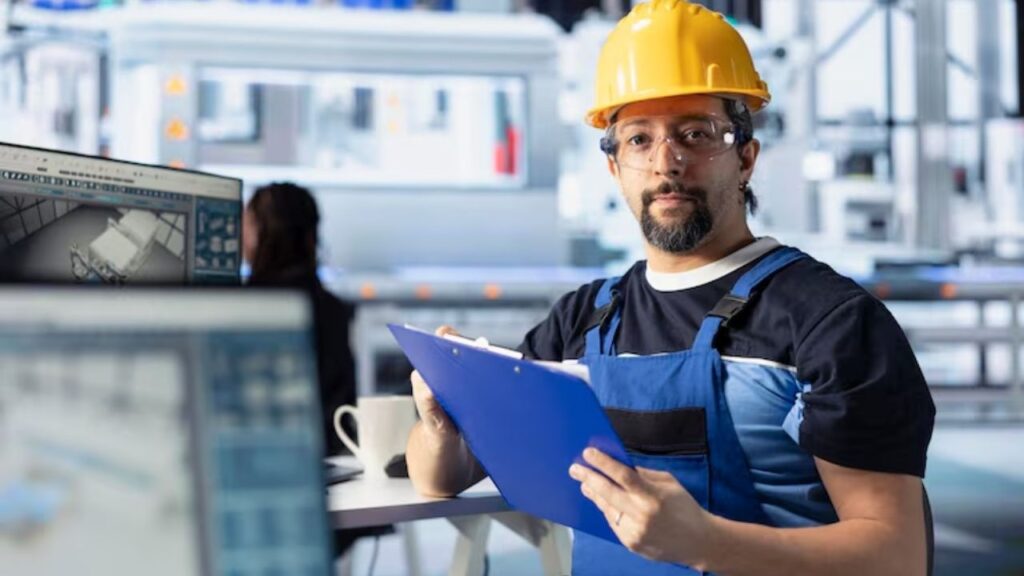
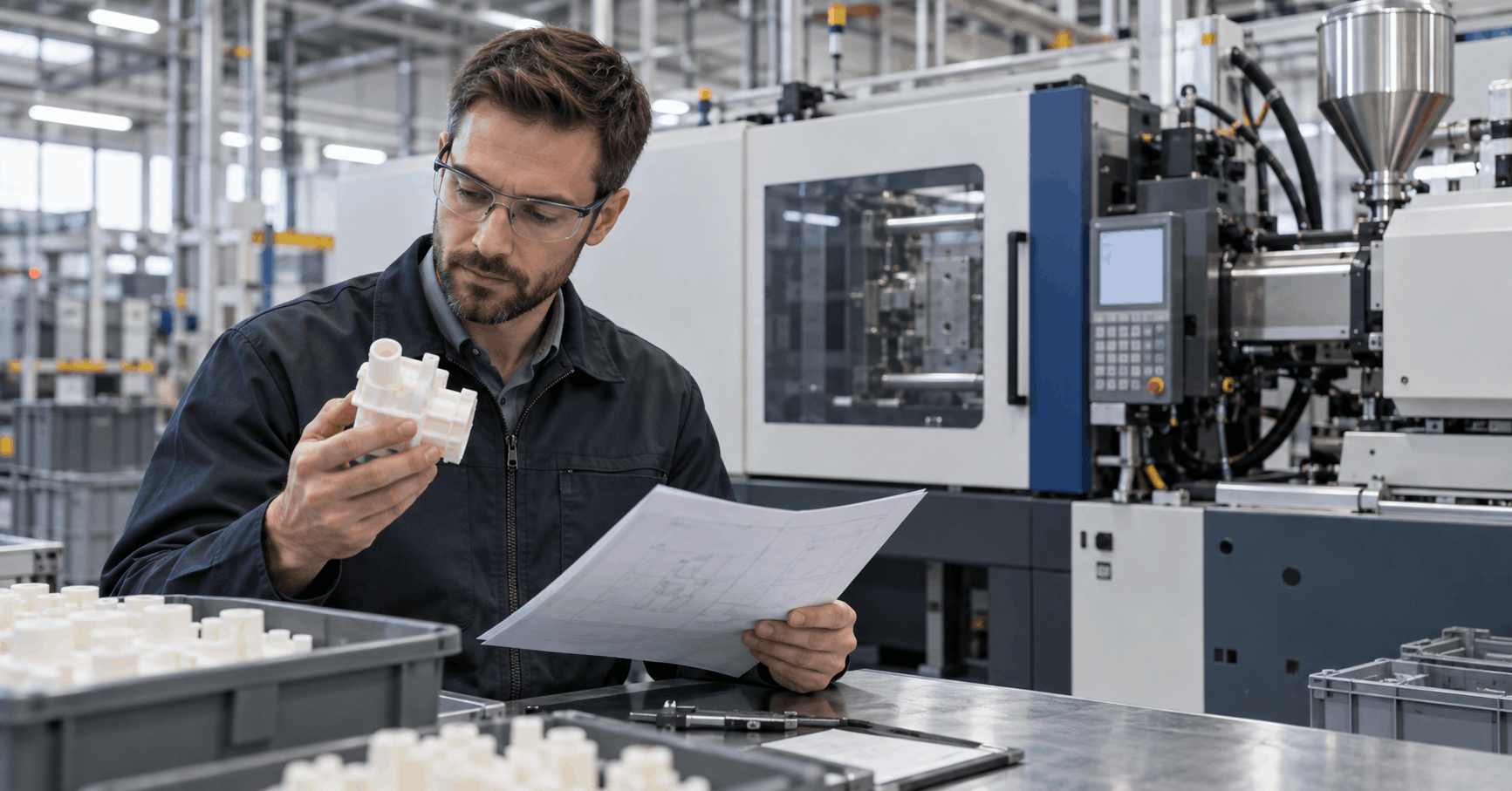
Professional engineering support begins at the early design stage. Experienced engineers carefully review CAD files and evaluate how the product will behave during the injection molding process. They analyze wall thickness, gate placement, rib design, cooling behavior, shrinkage rates, draft angles, and material flow patterns to identify potential risks before tooling is built. For example, uneven wall thickness is one of the most common causes of molding defects. When one section cools more slowly than another, it creates internal stress that may lead to warping or sink marks. A skilled supplier can identify this issue early and recommend design improvements that enhance both quality and manufacturing efficiency.
This type of support is especially valuable for companies developing new products. Many designers focus on appearance and functionality, but not all design features are suitable for mass production. An engineering-focused supplier bridges this gap between design intent and real manufacturability. Even small design adjustments—such as improving corner radii, adding proper draft angles, repositioning gates, or simplifying geometry—can significantly improve cycle time, mold filling, and production consistency. These changes often reduce long-term manufacturing costs.
Engineering support is also critical during troubleshooting. Even well-designed projects may face unexpected issues like flash, burn marks, air traps, short shots, or dimensional variation due to material behavior, machine settings, or tooling conditions. A strong engineering team quickly diagnoses these problems using technical analysis and production data instead of trial and error. This ensures faster corrective action and a stable recovery of production.
This expertise is especially important in industries requiring high precision, such as medical devices, automotive parts, and electronics housings, where even small errors can lead to assembly failures or regulatory issues. Strong engineering support also improves communication between design, tooling, production, and quality teams. Organized engineering departments reduce misunderstandings and improve workflow efficiency across the entire project. Some advanced custom injection molding manufacturers also use mold flow simulation software to predict how molten plastic will behave inside the mold cavity. This helps identify potential issues like weld lines, air traps, or uneven filling before tooling is manufactured.
Ultimately, engineering support is not optional—it is a core factor that directly impacts product quality, production stability, and long-term success.
Our team offers comprehensive engineering support to ensure your project meets all requirements.
DFM (Design for Manufacturing) Capability:
Design for Manufacturing (DFM) is one of the most valuable capabilities a custom plastic injection molding supplier can provide. Although many companies focus heavily on tooling costs or machine capacity, experienced manufacturers understand that product design optimization often determines whether production runs smoothly or continuously faces problems.
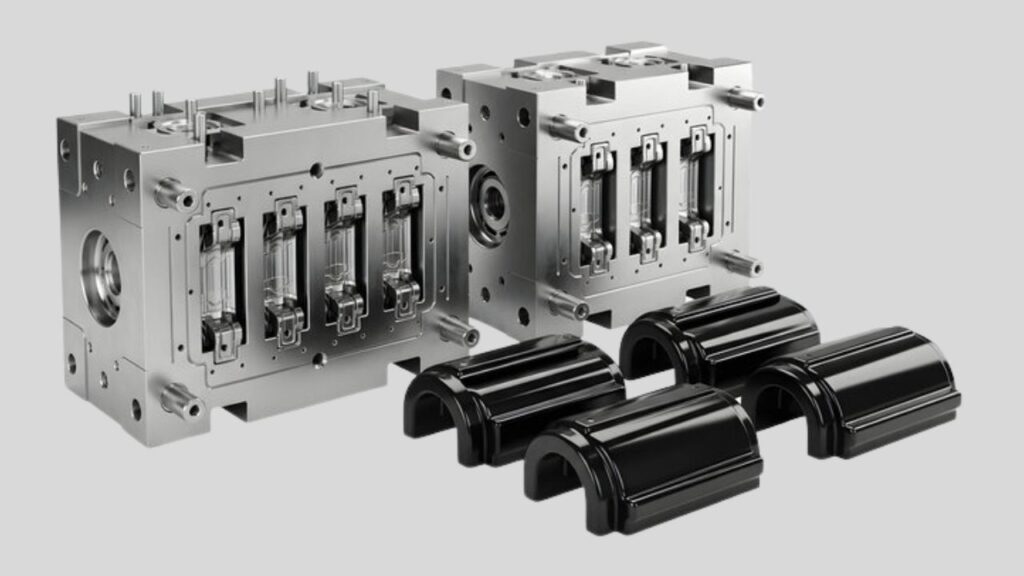
DFM is the process of analyzing and improving a product design specifically for efficient manufacturing. The goal is not only to make the part functional but also to ensure it can be produced consistently, economically, and with minimal risk during high-volume manufacturing.
Many production issues begin long before the first molding cycle starts. In fact, a large percentage of injection molding process problems are caused by design decisions made during the early development stage. If these issues are not identified early, businesses may spend significant money modifying molds, adjusting production processes, or redesigning parts after manufacturing has already begun.
A supplier with strong DFM capability helps prevent these situations. During DFM analysis, engineers carefully evaluate product geometry and identify features that may create manufacturing challenges.
These include:
Excessive wall thickness
Sharp corners
Poor draft angles
Deep ribs
Thin sections
Complex undercuts
Difficult gate locations
Uneven cooling areas
For example, many plastic parts fail because designers unintentionally introduce wall-thickness variations that trap heat during cooling. This can lead to sink marks, warping, or internal stress. A knowledgeable supplier can recommend design adjustments that improve cooling balance and reduce defect risks without changing product functionality. Another common issue is insufficient draft angles. Without a proper draft, molded parts may stick inside the mold during ejection, causing surface damage or dimensional inconsistencies. Through DFM analysis, suppliers ensure designs support smooth production and reliable part release.
According to the American Injection Molding Institute, a robust DFM process can significantly reduce production costs.
DFM capability also directly affects tooling complexity and production cost. Overly complex designs often require expensive molds, longer cycle times, and additional maintenance. Simplifying design elements can significantly reduce tooling costs while improving manufacturing efficiency. One of the biggest advantages of DFM is long-term production stability. Products designed with manufacturing limitations in mind are easier to mold consistently over large volumes. This reduces quality variation and improves operational reliability.
Reliable suppliers understand that DFM is not just about making production easier for themselves. It is about helping customers avoid unnecessary costs, improve product quality, and achieve better manufacturing outcomes overall. Advanced suppliers often combine DFM expertise with simulation software to analyze mold filling patterns, cooling behavior, and material flow before tooling begins. This allows engineers to predict issues early and optimize designs proactively.
DFM also improves communication between product designers and manufacturing teams. Instead of discovering problems after tooling completion, both sides collaborate early and make informed decisions together. For new product launches, this collaboration is extremely valuable. A well-executed DFM process can shorten development time, reduce redesign costs, and speed up time-to-market significantly.
In competitive industries where speed, consistency, and quality matter, suppliers with strong DFM capability provide a major strategic advantage.
Learn how our DFM capabilities can optimize your design for efficient production.
Tooling Experience:
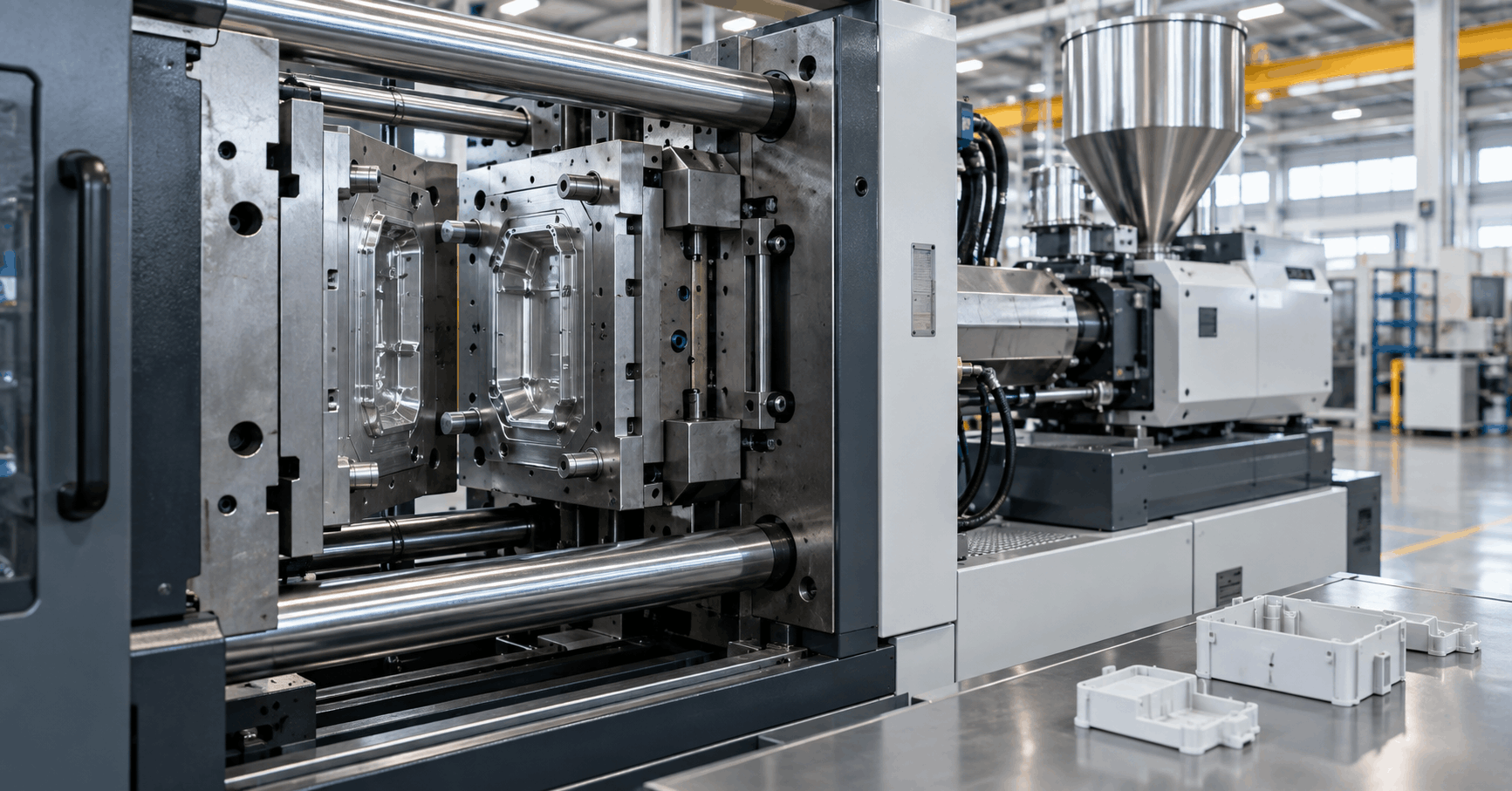
Tooling quality plays a central role in the success of every injection molding project. Even with advanced molding machines and high-quality materials, production consistency cannot be achieved without precision tooling. This is why experienced manufacturers place significant importance on a supplier’s tooling capabilities before starting production. A mold is not simply a metal component used to shape plastic. It is a highly engineered production system that must operate under extreme pressure and temperature conditions while maintaining tight dimensional accuracy across thousands — or even millions — of production cycles.
Poor tooling design often creates long-term manufacturing problems that become expensive to fix later. Common issues caused by low-quality molds include flashing, dimensional instability, poor surface finish, inconsistent filling, premature mold wear, and excessive downtime. Experienced tooling engineers understand how every detail of the mold influences production performance. Cooling channels, venting systems, gate placement, ejector systems, cavity balance, and steel selection all affect cycle times, part quality, and tooling lifespan.
Cooling design, for example, is one of the most overlooked aspects of mold engineering. Uneven cooling can create internal stress inside molded parts, resulting in warping or dimensional variation. Skilled tooling engineers design cooling systems carefully to maintain balanced temperatures throughout the mold. Tooling experience also becomes important when working with complex geometries or high-precision components. Multi-cavity molds, insert molding, overmolding, and thin-wall applications require advanced technical knowledge and specialized mold design expertise.
Reliable suppliers also understand the importance of mold maintenance. Over time, even high-quality molds experience wear due to repeated production cycles. Preventive maintenance programs help identify wear patterns early and prevent unexpected production interruptions. A supplier with strong tooling experience views molds as long-term production assets rather than short-term manufacturing tools. This mindset improves production reliability and helps customers achieve more stable manufacturing performance over time.
Learn more about the critical role of tooling in molding processes from The Tooling & Manufacturing Association.
Quality Systems:
When businesses search for a reliable custom plastic injection molding supplier, one of the biggest factors they should evaluate is the supplier’s quality management system. In the injection molding industry, consistency matters just as much as production speed. A supplier may successfully produce good parts for one batch, but without a structured quality system, maintaining the same level of consistency over months or years becomes extremely difficult.
Many manufacturing problems do not happen because of machine failure alone. In many cases, the real issue is weak process control, inconsistent inspection procedures, or the absence of proper documentation. This is why experienced manufacturers pay close attention to how a supplier manages quality across the entire injection molding process.
A professional plastic injection molding supplier does not treat quality inspection as a final step performed only before shipping. Instead, quality control is integrated into every stage of manufacturing, starting from raw material verification all the way to packaging and delivery.
Reliable suppliers typically implement layered quality systems that include:
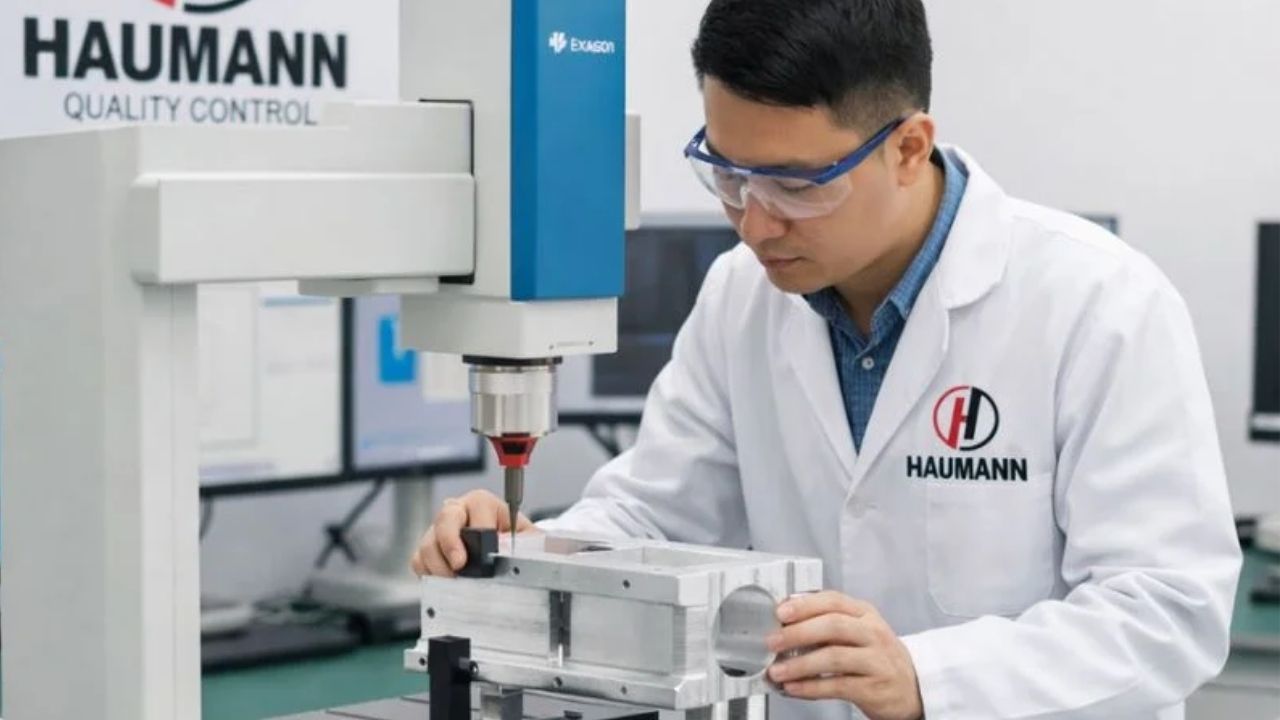
– Incoming material inspection
– In-process monitoring
– First article inspection
– Dimensional verification
– Functional testing
– Final quality inspection
– Documentation and traceability
Each of these stages helps reduce the possibility of defects reaching the customer. For example, if raw materials contain incorrect moisture levels or contamination, molded parts may develop structural weakness, surface defects, or dimensional instability during production. A supplier with proper material inspection procedures can identify these issues before manufacturing begins.
In-process monitoring is equally important. Injection molding is highly sensitive to variables such as temperature, pressure, cooling time, injection speed, and material flow. Even small fluctuations in these parameters can affect product quality significantly. Reliable suppliers continuously monitor production conditions to maintain stable processing throughout each manufacturing cycle. Some suppliers rely too heavily on manual inspection alone. While visual inspection remains important, advanced manufacturers combine manual checks with automated measurement systems and digital quality monitoring technologies.
Coordinate Measuring Machines (CMM), optical scanning systems, digital calipers, laser inspection equipment, and automated testing tools improve inspection accuracy and reduce human error. These systems become especially important when producing high-precision parts for medical devices, electronics, aerospace, or automotive applications.
Another major sign of a reliable injection molding supplier is process documentation and traceability. Professional manufacturers maintain detailed records for every production batch, including:
– Material batch numbers
– Machine settings
– Production dates
– Operator information
– Inspection reports
– Dimensional measurement results
This level of traceability helps suppliers identify the root cause of problems quickly if quality issues occur later.
For example, imagine a customer reports dimensional inconsistencies several weeks after receiving a shipment. A supplier with strong documentation systems can trace the issue back to specific machine settings, tooling conditions, or material batches instead of spending days investigating blindly. Certifications also matter when evaluating a supplier’s quality standards. ISO 9001 certification is one of the most recognized indicators that a manufacturer follows structured quality management procedures. While certification alone does not guarantee perfect production, it demonstrates that the supplier has established systems for process control, corrective actions, continuous improvement, and customer satisfaction.
For industries with strict regulatory requirements, additional certifications may also be necessary. Medical manufacturers may require ISO 13485 compliance, while automotive suppliers often follow IATF standards. Another important difference between average suppliers and professional manufacturing partners is how they handle quality problems when they occur. Weak suppliers often react defensively or focus only on replacing defective parts. Strong suppliers investigate root causes carefully and implement corrective actions that prevent the same issue from happening again.
In many cases, the real value of a quality system is not just defect detection. It is defect prevention. Businesses that prioritize long-term production stability should never underestimate the importance of quality systems. Working with a supplier that maintains disciplined process control, advanced inspection procedures, and continuous improvement practices reduces operational risks and improves customer confidence significantly.
Material Expertise
Material selection is one of the most technically important parts of the injection molding process. Yet many companies underestimate how much material choice affects product performance, manufacturing stability, tooling lifespan, and overall production cost.
A reliable plastic injection molding supplier should not simply ask customers which material to use and proceed directly into production. Instead, experienced suppliers carefully evaluate the application and recommend materials based on performance requirements, environmental exposure, durability expectations, regulatory needs, and manufacturability. Different plastics behave differently during molding. Some materials shrink more during cooling, while others require higher processing temperatures or specialized mold designs. Certain plastics offer excellent chemical resistance, while others are better suited for flexibility or structural strength. Without proper material expertise, businesses risk selecting materials that create long-term production issues or product failures.
For example, a material suitable for indoor use may degrade under UV exposure outdoors. Similarly, a plastic used for consumer products may not withstand high temperatures in automotive environments. This is where supplier experience becomes extremely valuable. Professional custom injection molding manufacturers work with a wide range of engineering plastics and resins, including ABS, PP, PC, Nylon, POM, Acrylic, TPU, PEEK, and PE. Each material has unique advantages and processing challenges.
ABS is widely used in consumer electronics for its toughness and surface quality. Nylon offers strength and wear resistance for mechanical parts. Polycarbonate provides impact resistance and clarity, while PEEK performs well in high-temperature industrial applications. A knowledgeable supplier understands how these materials behave under real production conditions, not just in technical data sheets. Some materials absorb moisture and require careful drying before processing, or they may develop defects and a weak structure if not handled properly.
Material selection also affects tooling design and efficiency. Reinforced plastics can increase mold wear, while some materials require special cooling or gating adjustments for stable production. Experienced suppliers often recommend alternative resins that improve performance and reduce cost. In high-volume production, even small improvements in material efficiency or cycle time can significantly reduce overall manufacturing costs. Sustainability is also becoming important, with increasing use of recycled and bio-based plastics.
Strong suppliers also benefit from reliable material sourcing networks, ensuring stable supply and consistent production even during global shortages. Ultimately, material expertise directly impacts product quality, manufacturability, tooling performance, and long-term production reliability.
Production Scalability:
Production scalability is one of the most overlooked factors when businesses evaluate injection molding suppliers. Many companies focus on initial pricing and prototype capability but fail to consider whether the supplier can support future growth when production demand increases.
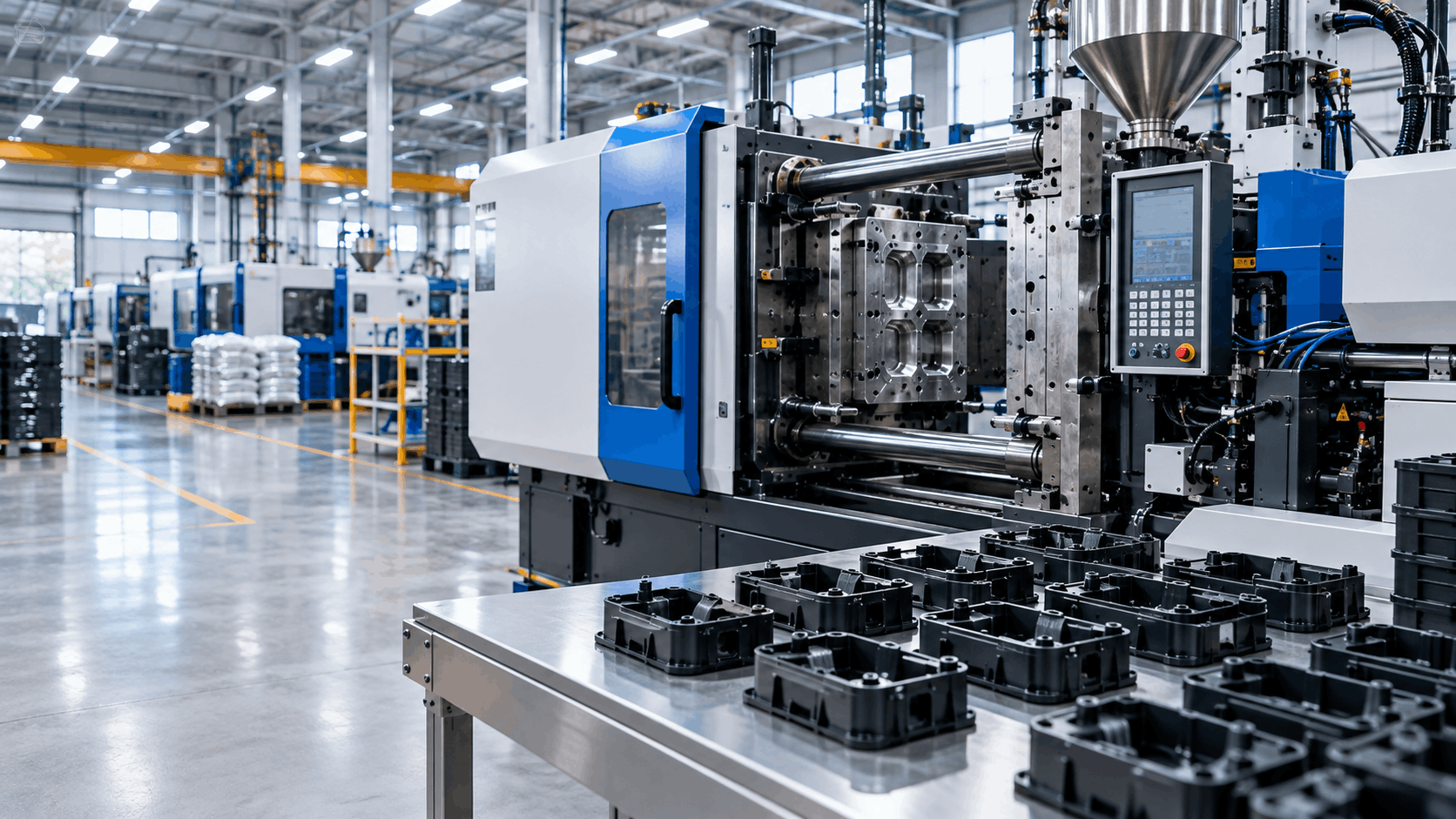
This becomes a serious issue for products that achieve unexpected market success. A supplier may handle small production volumes during early stages, but scaling production is a completely different challenge. Increasing output while maintaining product quality, dimensional consistency, delivery speed, and operational stability requires strong infrastructure and advanced production management. Reliable custom injection molding manufacturers plan for scalability from the beginning. They invest in multiple molding machines, automated handling systems, flexible production scheduling, expanded tooling capacity, skilled workforce development, and advanced production monitoring systems.
Scalability matters because manufacturing demand rarely stays constant. Seasonal demand increases, retail expansion, product launches, and international growth can all create sudden pressure on production capacity. If a supplier lacks proper infrastructure, businesses may face delayed shipments, inventory shortages, missed sales opportunities, and weakened customer relationships. A major advantage of working with a scalable supplier is production flexibility. Professional manufacturers can adjust schedules, add shifts, or increase machine allocation when order volumes rise unexpectedly.
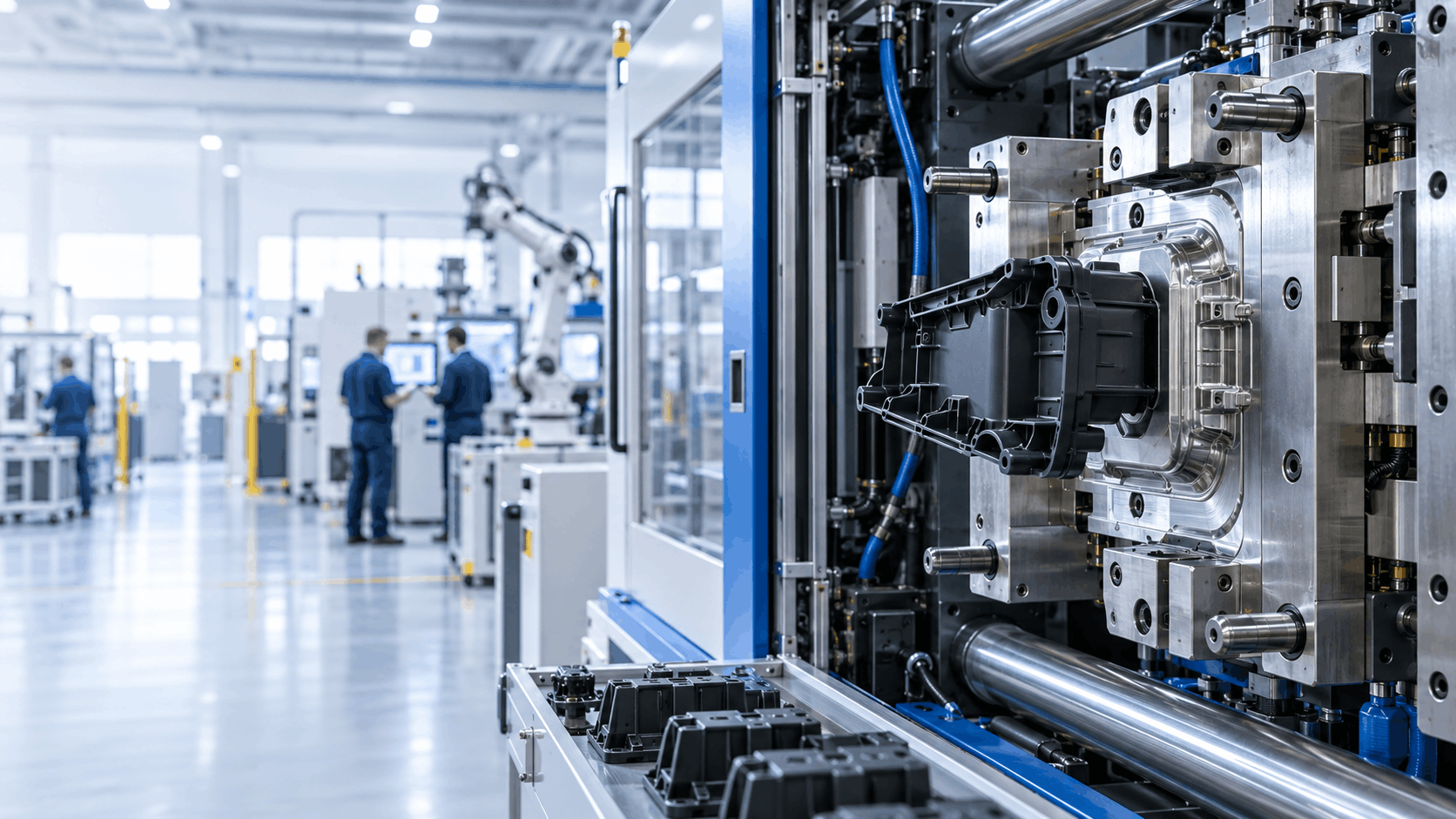
Automation plays a key role in scalable manufacturing. Robotic part removal systems, automated packaging lines, centralized monitoring software, and digital process controls help increase production efficiency while maintaining consistent quality. Another important factor is consistency during scale-up. Some suppliers can increase output but struggle to maintain stable quality during high-volume production. This usually happens when process control systems are weak or production becomes overloaded.
Reliable suppliers follow standardized procedures that ensure consistent quality across both small and large production runs. Scalability also directly affects lead times. In competitive markets, businesses need suppliers who can respond quickly to urgent demand changes. Suppliers with extra capacity and organized planning systems handle these situations more effectively.
Recent global supply chain disruptions have highlighted the importance of manufacturing flexibility. Companies now prefer suppliers that can adapt to material shortages, logistics delays, and changing market conditions. Businesses planning long-term growth must evaluate whether a supplier has the workforce, systems, and facility capacity needed for future expansion. A scalable injection molding supplier provides not just manufacturing support but long-term production stability and business growth security.
Explore how global manufacturing networks can scale production in this Harvard Business Review article.
Communication Speed:

In injection molding, communication is often underestimated until problems appear during production. A supplier may have modern equipment, skilled operators, and strong tooling capability, but if communication is slow or unclear, projects can quickly become delayed and expensive. Reliable communication is a key indicator of a professional custom plastic injection molding supplier. Manufacturing involves constant coordination between engineering, tooling, production, quality control, logistics, and customers. Design updates, tooling approvals, material changes, inspection reports, and production schedules all require fast and accurate communication.
When communication fails, even small misunderstandings can create major issues. For example, if an updated CAD file is not confirmed properly, incorrect dimensions may be used in production, leading to wasted material, tooling modifications, delays, and financial loss. Experienced suppliers avoid these risks by implementing structured communication systems. Many assign dedicated project managers who handle coordination between all departments and customers, ensuring clear responsibility and smoother workflows.
Fast response time is also critical. Delays during tooling approval or production troubleshooting can affect shipment schedules and product launches. However, communication quality is equally important. Reliable suppliers provide clear technical explanations instead of vague or incomplete answers. Transparency is essential when issues arise. Strong suppliers report problems early, explain causes clearly, and provide corrective solutions instead of hiding delays. This builds long-term trust and improves project stability.
Inspection Process:
A strong inspection process is essential for maintaining consistent quality in plastic injection molding. Even with advanced machines and high-quality materials, defects can still occur without proper quality control systems. Reliable manufacturers understand that inspection is not just about detecting defects at the end but preventing them throughout production. Quality control is integrated into every stage of the injection molding process.
Inspection begins with raw material verification. Materials are checked for moisture content, contamination, grade, and consistency before production starts. Material issues at this stage can directly affect final product quality. During production, in-process inspection ensures that dimensions, appearance, and performance remain stable. Monitoring key parameters such as temperature, pressure, cooling time, and material flow helps maintain consistency across production batches.
Typical inspection methods include:
Visual inspection
Dimensional measurement
Surface quality checks
Functional testing
Mechanical testing
Material verification
Fit and assembly testing
Advanced suppliers also use automated inspection technologies such as CMM machines, optical scanners, and digital measurement tools. These systems improve accuracy and reduce human error, especially in high-precision industries like automotive, medical, and electronics manufacturing. Documentation is another critical part of inspection. Professional suppliers maintain detailed records, including inspection reports, machine settings, material batch numbers, process parameters, and corrective actions.
This traceability allows quick identification of root causes if defects appear later. Instead of guessing, suppliers can analyze exact production conditions and fix problems efficiently. Some suppliers also provide formal quality reports such as First Article Inspection (FAI), PPAP documentation, or SPC data for customer verification before full production.
A strong inspection system ultimately protects product reliability, customer trust, and long-term manufacturing stability.
U.S.-Based Support:
For many companies, U.S.-based support significantly improves communication speed, project coordination, and overall customer experience in injection molding projects. One of the biggest advantages is time zone alignment. International communication delays can slow down decisions related to tooling, design changes, production schedules, and shipping updates. U.S.-based support reduces these delays and allows faster responses during critical stages.
Technical discussions also become easier. Injection molding projects often require detailed communication about tolerances, tooling adjustments, material selection, and quality requirements. Local support teams reduce misunderstandings and improve clarity. Reliable suppliers assign dedicated project managers who handle communication, engineering coordination, quality updates, and logistics planning. This centralized system improves efficiency and reduces confusion for customers.
Fast access to support is especially important during urgent production issues. If a defect or delay occurs, immediate communication can prevent larger problems and protect delivery timelines. U.S.-based support also strengthens long-term relationships. Customers prefer suppliers who provide responsive, reliable, and consistent communication rather than purely transactional interactions.
Ability to Scale Globally:
Global scalability is increasingly important as manufacturing becomes more international. Many companies now sell products across multiple regions, requiring suppliers that can support global production and distribution. A scalable supplier helps reduce lead times, improve supply chain flexibility, and support international business growth. This is essential for companies expanding into new markets.
One key advantage of global scalability is flexibility during supply chain disruptions. If issues occur in one region due to logistics delays, material shortages, or external factors, globally capable suppliers can adjust production strategies more efficiently. Recent global disruptions have highlighted the importance of diversified sourcing and manufacturing flexibility. Suppliers with international networks are better prepared to maintain production continuity.
Global scalability also reduces lead times by positioning production or distribution closer to customer markets. This helps companies respond faster to demand changes. Consistency is equally important. Reliable suppliers ensure standardized manufacturing processes, tooling methods, and quality systems across all facilities. This prevents variations in product quality between locations.
For rapidly growing businesses, scalable suppliers provide the ability to increase production without changing manufacturing partners. This stability supports long-term planning and reduces operational risk. Ultimately, global scalability is not just about capacity—it is about supply chain resilience, operational stability, and long-term manufacturing flexibility.
Conclusion:
Choosing the right custom plastic injection molding supplier is a long-term strategic decision that directly impacts product quality, production efficiency, and business growth. Successful manufacturing requires more than low pricing. It requires a supplier with strong engineering support, DFM capability, tooling expertise, quality systems, material knowledge, scalable production, fast communication, and global support.
Companies that focus only on cost often face issues such as delays, poor quality, tooling failures, and unstable production. In contrast, businesses that choose reliable manufacturing partners achieve consistent quality, smoother production, and lower operational risk. A professional supplier supports every stage of the injection molding process, from design and tooling to production and inspection. This partnership improves efficiency and reduces long-term manufacturing problems.
Key capabilities to look for include:
Engineering support
DFM optimization
Tooling experience
Quality control systems
Material expertise
Production scalability
Fast communication
Inspection processes
U.S.-based support
Global scalability
These elements together create stable and efficient manufacturing operations.
As global competition increases, the value of a reliable injection molding partner continues to grow. Businesses need suppliers that offer consistency, technical expertise, and long-term production support. Choosing the right partner today ensures better product quality, stronger reliability, and sustainable business growth in the future.
Contact Us for More Info
Still unsure? Contact us now for more details about our injection molding services, and find out why we’re the right choice for your next project.
FAQs for Choosing a Reliable Custom Plastic Injection Molding Supplier
Custom plastic injection molding is a manufacturing process used to produce high-precision plastic parts by injecting molten plastic into custom-designed molds. This method is widely used for the mass production of plastic components in industries such as automotive, medical, electronics, and consumer goods.
To choose the right injection molding supplier, consider factors such as engineering support, DFM (Design for Manufacturing) capability, tooling experience, material expertise, quality systems, production scalability, and communication efficiency. It’s important to balance cost with reliability to avoid quality or production issues.
DFM (Design for Manufacturing) is the process of designing products with manufacturability in mind. A supplier with strong DFM capability helps to ensure that designs are optimized for injection molding, reducing the risk of errors, production delays, and unnecessary costs.
Tooling experience is crucial because it directly impacts the quality and durability of the molds used in the injection molding process. An experienced supplier can create precise, long-lasting molds that reduce defects and improve product consistency.
Material expertise ensures that the right plastic materials are chosen for your project, based on factors like strength, durability, flexibility, and chemical resistance. A supplier with material expertise can help you select the best material for your application, ensuring the final product meets the required specifications.
A scalable supplier can handle fluctuating production volumes, from small runs to large-scale orders, without compromising quality. This flexibility is essential as your business grows and your production needs increase.
Clear and prompt communication between you and your supplier is critical to the success of your injection molding project. Delays in communication can lead to missed deadlines, misunderstandings, or quality issues. A reliable supplier should have quick response times and keep you updated throughout the process.
A robust quality control system ensures that each molded part meets the desired specifications. This includes regular inspections, testing, and certification (like ISO) to verify that the products are free from defects and meet customer standards.
Choosing a U.S.-based supplier can offer benefits like easier communication, faster lead times, and better alignment with local regulations. However, overseas suppliers may provide cost advantages. The decision depends on your business priorities, including cost, speed, and quality requirements.
Yes, many global suppliers have the infrastructure to support both local and international production. A supplier with global capabilities can provide consistent quality across multiple locations and handle large-scale or international orders efficiently.
To ensure quality, work with a supplier that has a rigorous inspection process in place. This includes dimensional checks, material testing, and performance testing to ensure that each part meets the required specifications and standards.
Look for certifications such as ISO 9001 (quality management), ISO 14001 (environmental management), and ISO 13485 (for medical device manufacturing) to ensure that the supplier adheres to international standards for quality and manufacturing processes.